The Story
Why it exists.
The beginning
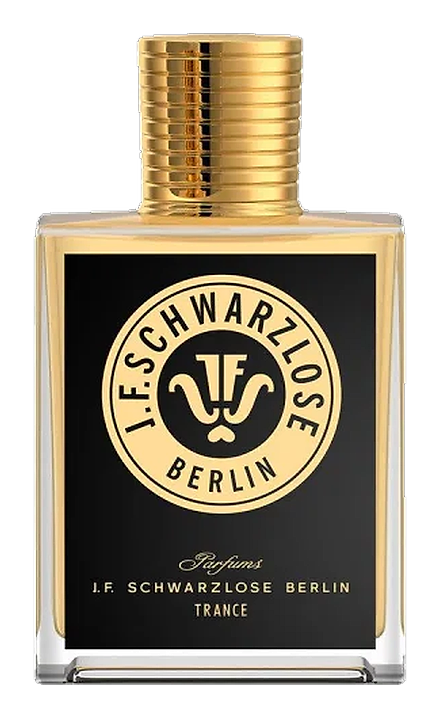
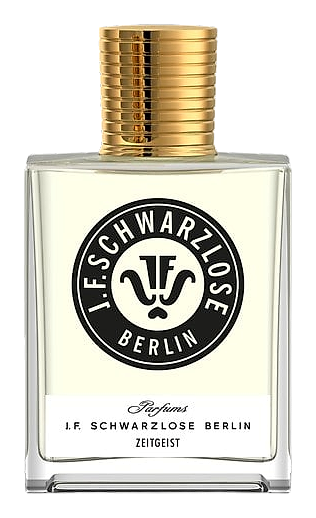
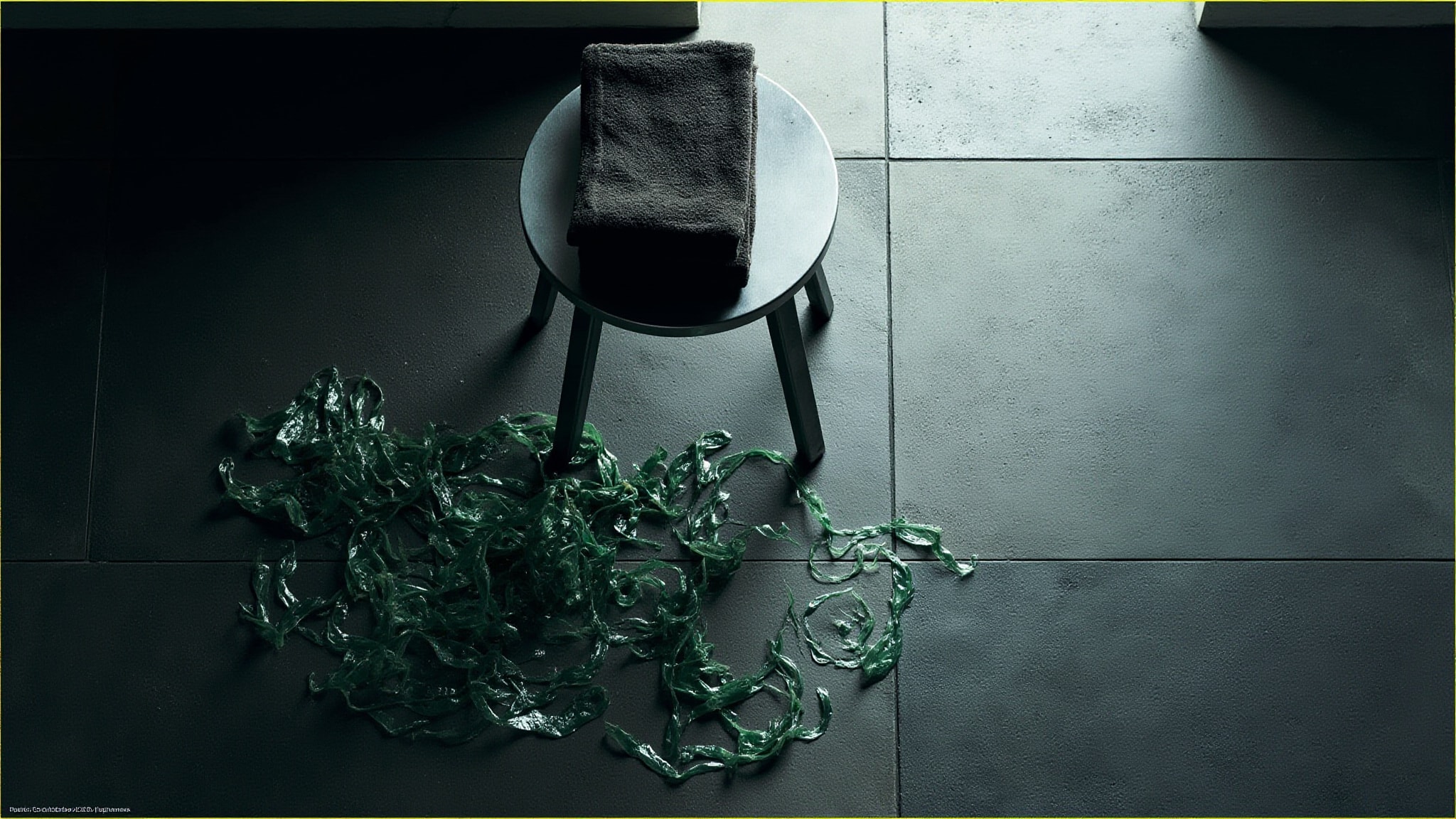
Zeitgeist arrived in 2012, and the name says everything. Perfumer Véronique Nyberg was tasked with translating Berlin's particular mood into scent, not the postcard version, but the city itself. The brief from the brand was clear: capture the city's contradictions. Fresh and sensual. Avant-garde and intimate. Nyberg reached for materials that felt urban rather than aspirational. Instead of coconut sunscreen and synthetic beach, she chose seaweed and layered it with ambergris. The composition weaves together mineral and animalic elements, creating a tension that reflects Berlin's complex character. It's a fragrance that rewards attention, shifting between cold precision and warm depth with each wear.
What makes Zeitgeist structurally unusual is its refusal to commit to one register. The opening is cold and oceanic, almost clinical in its clarity. The heart introduces warmth through ambergris and Peru balsam, resins that feel intimate, almost skin-like. The myrtle adds a green, slightly medicinal thread that keeps the whole thing grounded in something herbal rather than sweet. Then the synthetic materials do their work: Calone extends the aquatic impression, Amber Xtreme provides warm amber depth, Edenolide adds a skin-like musk quality, and Nebulone brings a subtle ozonic effect. The result is a fragrance that moves between registers rather than progressing linearly from fresh to warm.
The evolution
The opening is immediate and confrontational in its clarity. Calone and the ozonic notes hit first, giving that characteristic synthetic aquatic impression, but seaweed is right there, pushing through with its green, entirely realistic marine quality. This phase unfolds before the ambergris begins to assert itself, adding warmth and animalic depth that softens the cold mineral edge. The transition isn't a clean handoff. For a while, you're in both places at once, cold ocean air and warm skin. As the fragrance develops, the myrtle emerges more clearly, adding a green-herbal dimension that feels almost Mediterranean against the maritime base. The Peru balsam arrives quietly, lending its sweet-balsamic character without overwhelming. The synthetic musks become more apparent as natural evaporation slows, creating a skin-close effect that intensifies as the hours pass.
Cultural impact
Zeitgeist took a different approach from the start. Its use of seaweed, a material that's vegetal and challenging, positioned it apart from aquatics designed to smell like idealized beaches. Rather than offering an escape to a tropical shore, it offered something with more complexity and more honesty. The seaweed note brings a green, realistic quality that synthetic aquatics typically eliminate. For wearers who found typical marine fragrances too sweet or too synthetic, Zeitgeist provided an alternative built on unconventional structure.