The Story
Why it exists.
The beginning
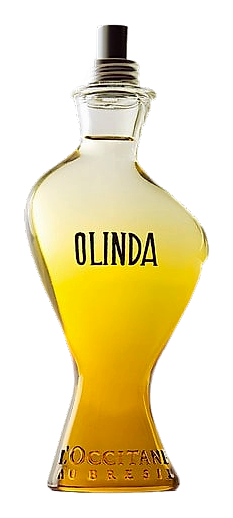
Olinda takes its name from the colonial city in Pernambuco, Brazil, a place of azulejo-tiled churches, Carnival masquerade, and a particular brand of coastal joy that feels inherited rather than performed. In 2015, perfumer Carmita Magalhães translated that spirit into a fragrance. Not a postcard. Not a souvenir. Something that captures the particular brightness of a place where color is just the starting point. The woman of Olinda became the brief: vibrant, rooted, unapologetically alive.
What makes Olinda interesting is the hog plum at its center. Umbu, the fruit of Spondias tuberosa, grows wild across Brazil's northeastern caatinga, prized for a tartness that balances tropical sweetness with something drier, more mineral. In perfumery, it's unusual. Paired here with green apple and blackcurrant, it creates a fruity heart that feels simultaneously fresh and grounded, not the glossy sweetness of a summer flanker, but something with a little more backbone. The vanilla-sandalwood base keeps it close to skin, warm without being heavy, giving the composition room to breathe rather than projecting outward.
The evolution
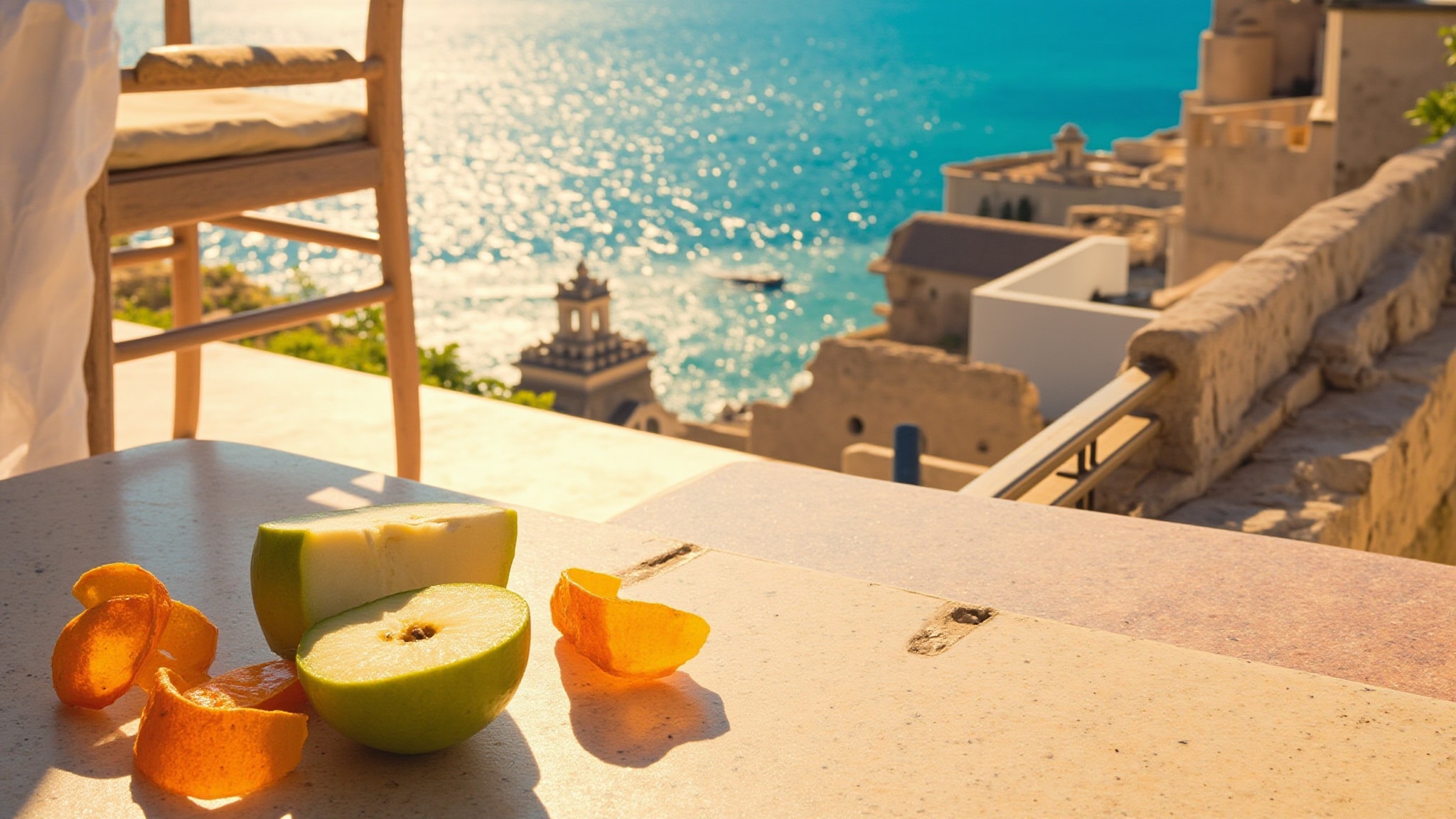
The opening arrives quick and bright, mandarin's citrus glow, green apple's crisp snap, blackcurrant's dark berry undertone. It reads like morning light: immediate, cheerful, hard to resist. Within minutes the citrus fades and the heart takes over. Hog plum dominates, tropical, slightly tart, with a green thread that keeps it honest. Floral notes soften what could have been too sweet. The transition isn't dramatic. It's a handoff. By the third hour, the base has settled: vanilla's warmth, sandalwood's creamy wood, amber's quiet glow. The drydown is intimate. Close. It stays near the skin rather than announcing itself. On fabric, a faint sweetness lingers into the next day, soft, powdery, a quiet reminder that something good happened here.
Cultural impact
Olinda belongs to the 2015 wave of L'Occitane Au Brésil releases that introduced Brazilian fragrance traditions to a wider audience. It appeals to wearers who want something bright and fruity without the synthetic gloss of mass-market florals. The hog plum heart gives it a point of view that sets it apart from more conventional fruity options, tart, tropical, honest.