Hog Plum
Hog plum brings a tart, sun-ripened fruity note to fragrances, but natural extraction remains impractical. Most perfumers recreate its character through synthetic compounds that capture the essence of this tropical fruit.
Character
How it smells
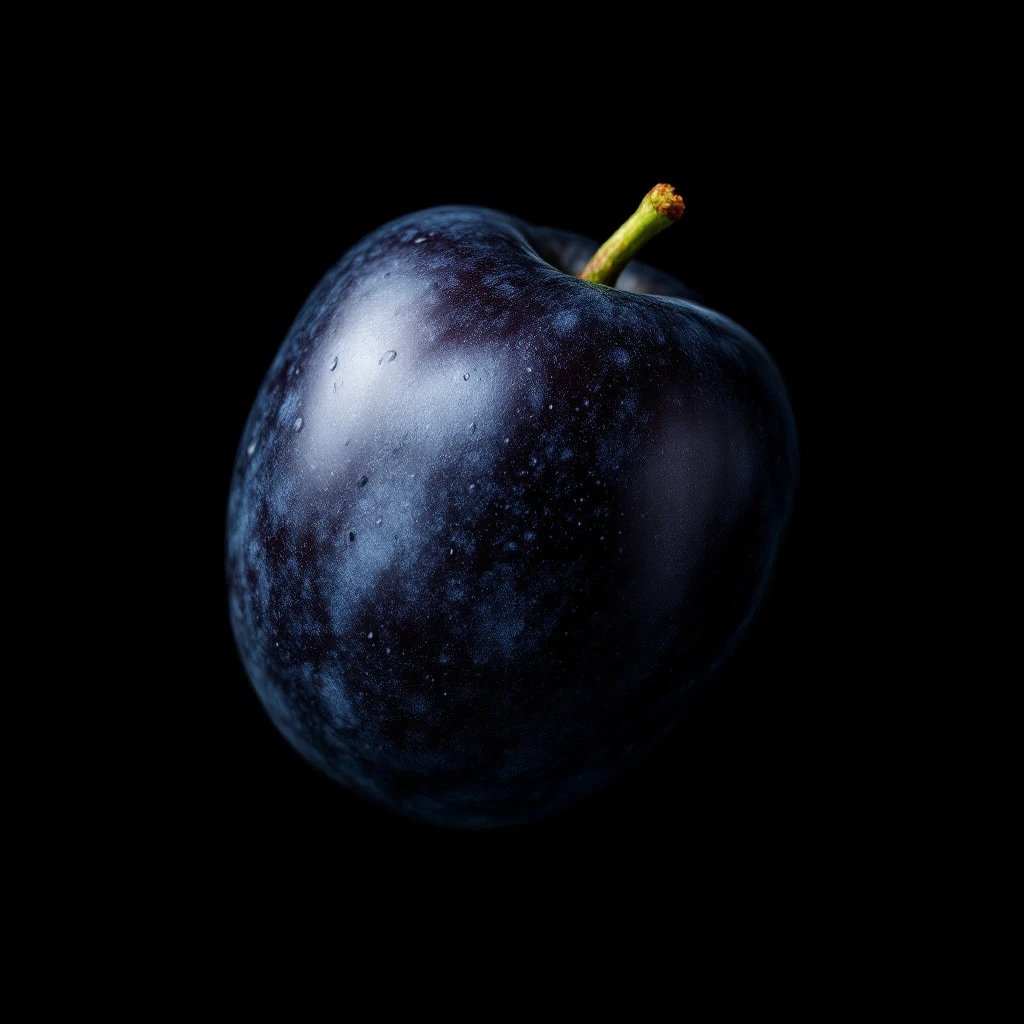
Tropical tartness, rarely extracted, often imagined.
The entire Spondias genus grows wild across tropical Americas, yet no commercial hog plum absolute exists in perfumery today.




Origin
Mexico
Hog plum (Spondias mombin) has grown wild across Central America, the Caribbean, and northern South America for thousands of years. Indigenous peoples used the tart yellow fruit fresh, in beverages, and preserved with sugar.
The tree's resilience and prolific fruiting made it valuable in traditional agriculture. However, unlike jasmine or sandalwood, hog plum never entered the European perfumery tradition that shaped modern fragrance.
When Western perfumers began developing fruity accords in the late 20th century, they turned to synthetic chemistry rather than tropical botanical extracts. Today, hog plum remains more culinary than cosmetic, its perfumery presence limited to imaginative recreations of tropical freshness.
Wears it best
Fragrances featuring Hog Plum
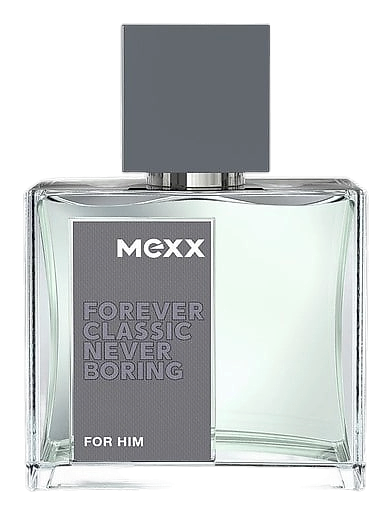
Brands
Brands known for Hog Plum
Good to know
Questions, answered
The essentials on Hog Plum in perfumery: how it smells, where it comes from, and how it behaves on skin.
Does hog plum smell like fresh plum fruit?
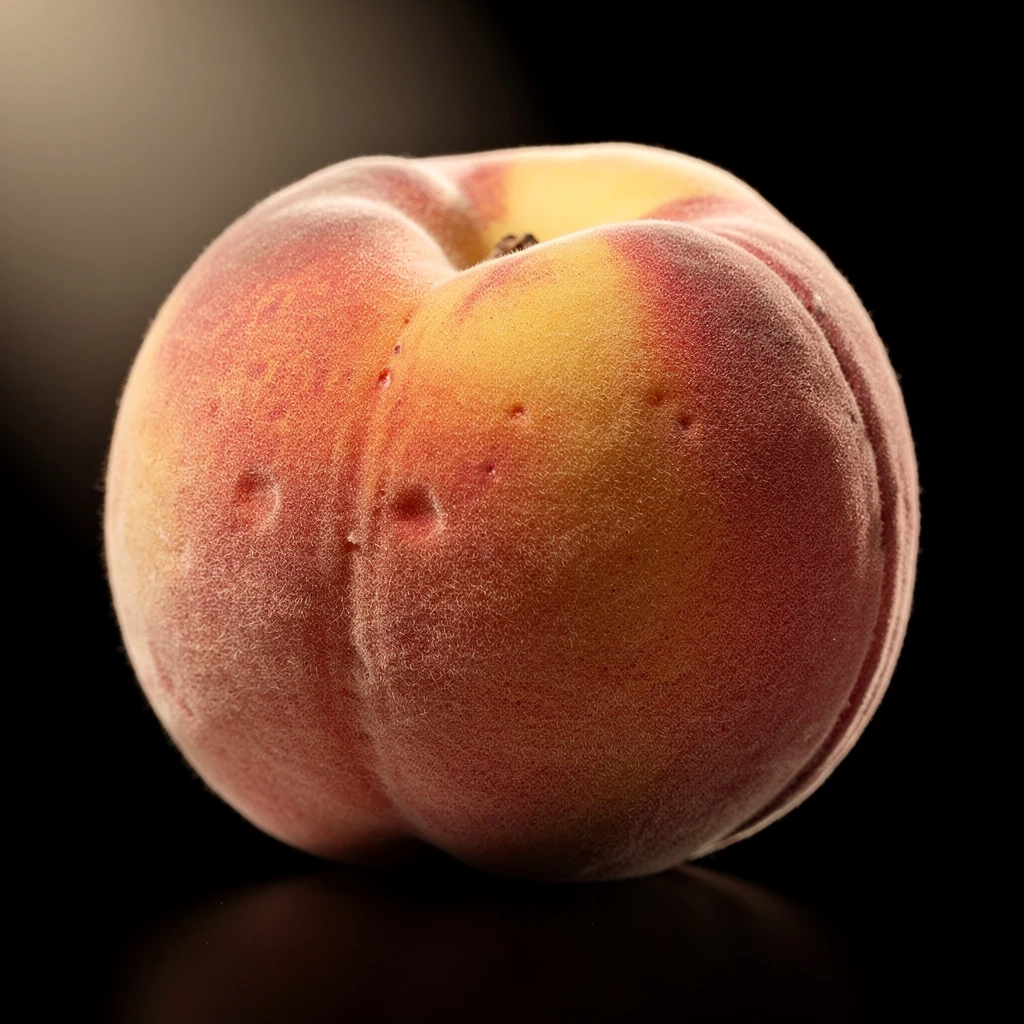
Hog plum in perfume smells like the fresh fruit: tart, tangy, with tropical sweetness. Real plum extraction is impractical, so perfumers use synthetic compounds to capture this character. The reconstructed note typically emphasizes the fruit's acidic brightness rather than its fleshiness.
Is hog plum used as a natural ingredient in perfume?
No commercial natural hog plum extract exists in perfumery. Natural extraction is prohibitively expensive and technically challenging due to the fruit's volatile aromatic compounds. All hog plum notes in fragrance are recreated using synthetic aroma chemicals like gamma-decalactone.
What type of fruity note does hog plum provide?
Hog plum delivers a tart, acidic fruity note that sits in the top-heart of a fragrance. It reads as fresh and sun-ripened rather than sweet or jammy. In fine fragrance, this note typically appears in tropical, summer, or fresh-oriental compositions.
Where is hog plum native to?
Spondias mombin grows wild across Mexico, Central America, the Caribbean, and northern South America. The tree thrives in tropical climates and produces small yellow fruits with a distinctive sharp-tart flavor. It remains more important in traditional cuisine than in perfumery supply chains.
What concentration is hog plum used at in perfumes?
Typical usage rates fall below 5% concentration, consistent with general fruity note guidelines in fine fragrance. The reconstructed note serves as a bright opening element rather than a dominant heart or base, allowing it to contribute freshness without overwhelming other ingredients.
How do perfumers recreate hog plum?
Perfumers blend gamma-decalactone (which provides peach-plum character) with other fruity chemicals to build complexity. Additional synthetics add the distinctive tartness and tropical nuance that distinguish hog plum from generic stone fruit. The result mimics the fresh fruit's sensory profile closely enough for most wearers.
What fragrance families use hog plum notes?
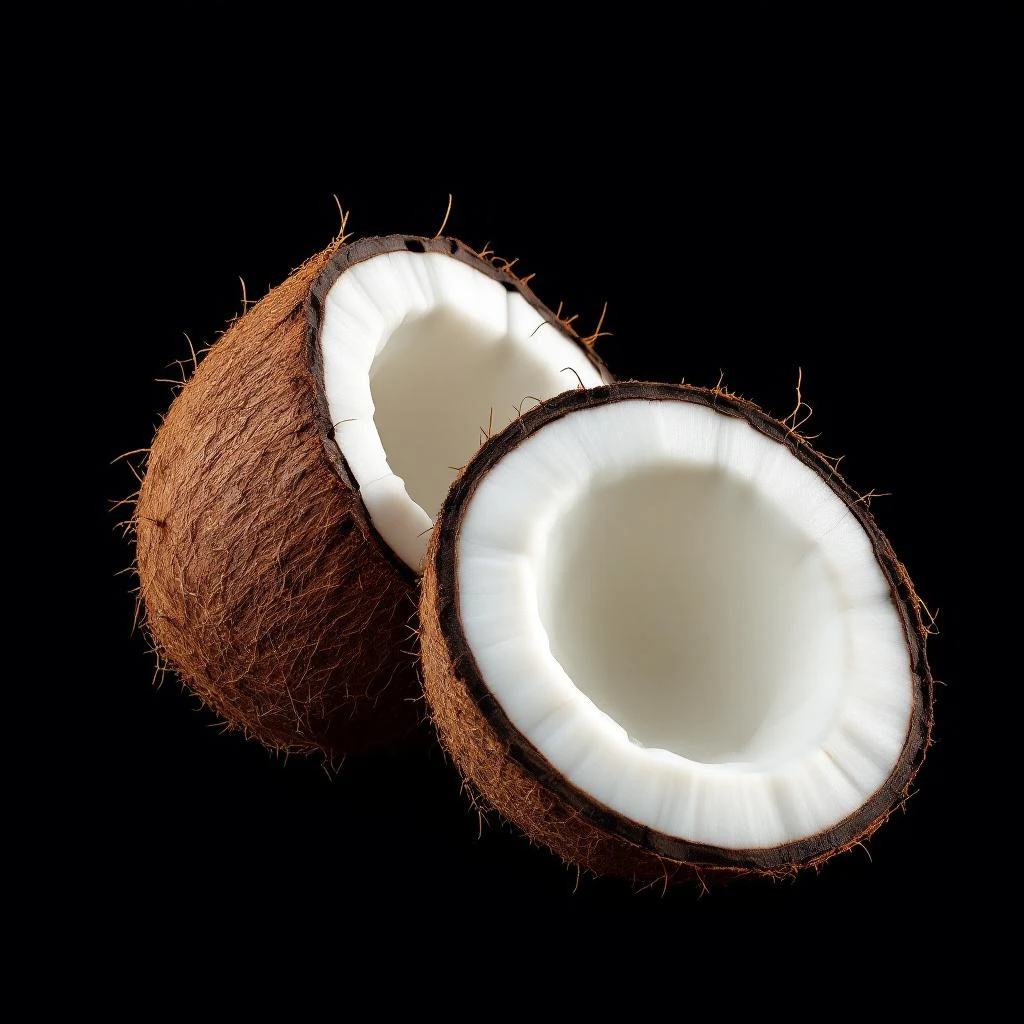
Hog plum appears most often in fruity-chypre, fruity-floral, and fresh-oriental compositions. It pairs naturally with coconut, tropical florals, and citrus. The note also works in unexpected combinations with woody or aromatic bases where a bright, tart top note provides contrast.
Is hog plum safe for skin application in perfume?
When properly diluted in fragrance concentrates, hog plum aroma chemicals meet IFRA safety standards for skin application. Gamma-decalactone and related compounds have established safety profiles. As with all fine fragrance ingredients, direct skin contact with concentrated materials should be avoided.