The Story
Why it exists.
The beginning
Olinda de Viver draws its name from Olinda, a Portuguese colonial city in northeastern Brazil celebrated for its pastel-painted churches, cobblestone streets, and a creative energy that never quite follows the rules. L'Occitane Au Brésil looked at the city, its color, its spontaneity, its warmth, and asked: what does this place smell like? The answer opened with lychee and mandarin, bright fruits that don't wait to be introduced. That decision says everything. Olinda doesn't arrive quietly.
The choice of violet leaf as a structural note sets this apart from the typical tropical floral. It adds a green, ozonic lift that keeps the lychee and pear from going syrupy, a counterweight that reads as morning air rather than candied sweetness. The heart of freesias and jasmine then deepens the composition into something more traditional, more timeless, before patchouli and sandalwood arrive to anchor the entire structure. What could have been a straightforward summer scent becomes layered, interesting, and genuinely warm.
The evolution
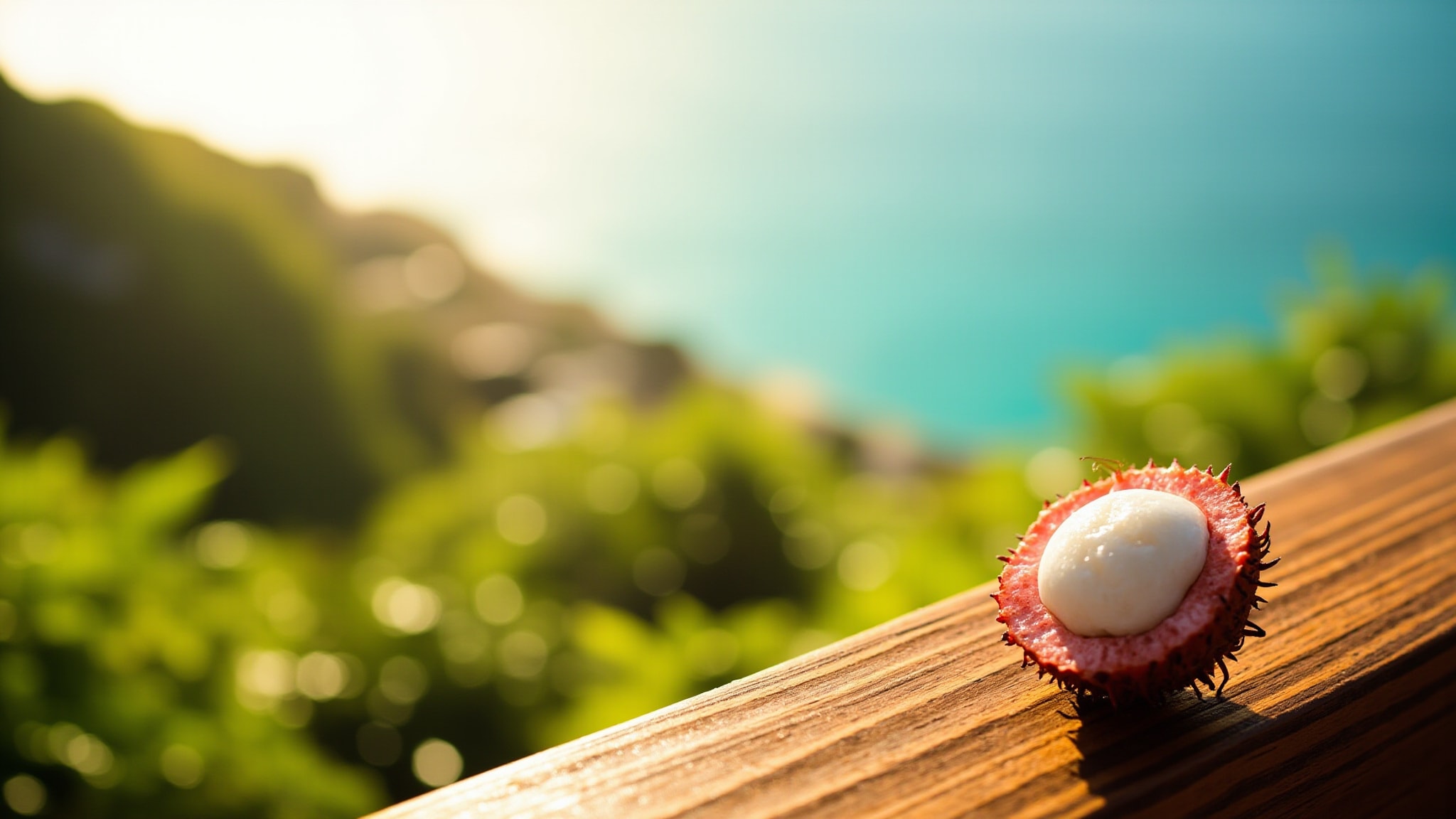
The opening is the event. Mandarin orange and lychee arrive together, sharp and immediate, with a pear note that softens the citrus without diluting it. Violet leaf threads through, green, clean, the smell of something just cut. This phase lasts about thirty minutes before the florals take over. Freesia dominates the transition, its soapy-peppery character bridging the bright top and the warmer heart. Jasmine arrives next, creamy and present but never overwhelming. The geranium keeps the floral phase from going static, adding a herbal green undertone that keeps things grounded. By hour two, patchouli and sandalwood emerge. The vanilla is last to arrive, not as a surprise, but as a resolution, a warmth that settles close and stays. On fabric, the sandalwood persists the longest. On skin, expect moderate sillage that rewards proximity rather than announcement.
Cultural impact
L'Occitane au Brésil occupies a unique space as a Brazilian-inspired brand under the global L'Occitane umbrella, and Olinda de Viver fits into the broader cultural conversation about fruity florals in modern perfumery. The fragrance arrived during a period when consumers were actively seeking bright, accessible scents that felt joyful without being overly sweet or juvenile. Lychee, with its watery sweetness and slight tartness, became a signature note for this era's approach to casual luxury in fragrance.