    Brand Profile

    Asgharali is a Bahrain‑based perfume house that has been crafting attar, bakhoor and gift sets for nearly a century. Founded in the early 19…More

    Bahrain·Est. 1924·Site

    7

    Fragrances

    3.8

    Rating

    50
    Musk Abyid Attar by Asgharali – Attar
    Best Seller
    4.7

    Musk Abyid Attar

    Attar

    Musk Aswad Attar by Asgharali – Attar (Oil-based)
    Best Seller
    4.7

    Musk Aswad Attar

    Attar (Oil-based)

    Baheej by Asgharali
    Best Seller
    4.7

    Baheej

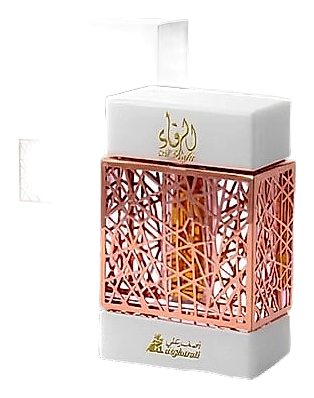
    Al Rafa by Asgharali
    4.7

    Al Rafa

    Aseel by Asgharali
    4.6

    Aseel

    Asala Attar by Asgharali
    4.6

    Asala Attar

    Rose by Asgharali
    4.6

    Rose

    Sultan Attar by Asgharali
    4.6

    Sultan Attar

    Saarim Attar III by Asgharali
    4.6

    Saarim Attar III

    Rehanat Al Bahrain Attar by Asgharali
    4.6

    Rehanat Al Bahrain Attar

    Raheeq by Asgharali
    4.5

    Raheeq

    Cabuya by Asgharali
    4.5

    Cabuya

    1 of 5

    The Heritage

    The Story of Asgharali

    Asgharali is a Bahrain‑based perfume house that has been crafting attar, bakhoor and gift sets for nearly a century. Founded in the early 1920s, the brand blends traditional Arabian scent structures with modern production standards. Its catalogue includes classics such as Musk Abyid Attar, Baheej and Al Rafa, each positioned for the Gulf market and for international collectors who appreciate authentic Middle Eastern fragrance heritage.

    Heritage

    The story of Asgharali begins in 1919 when the late Asghar Ali arrived in Bahrain seeking a modest start in the perfume trade. Within a few years he formalised the venture, and records from the company’s Facebook page list 1924 as the year the Asgharali Group was officially established in the Kingdom of Bahrain. Early production focused on natural attars and bakhoor, using locally sourced oud, rose and musk. Throughout the 1930s and 1940s the house expanded its distribution to neighboring Gulf states, establishing a reputation for consistent quality during a period when many small producers struggled to survive. By the 1960s Asgharali introduced a line of bottled perfumes that carried the same botanical ingredients but reached a broader retail audience. The 1970s saw the brand opening a dedicated showroom in Manama, where customers could experience the full range of scents in a setting that reflected traditional Arabian hospitality. In 1990 the company invested in a modern distillation facility that combined classic copper stills with temperature‑controlled equipment, allowing greater precision while preserving the artisanal character of its products. A centennial celebration was marked in 2024, highlighting a hundred years of continuous operation, family leadership under CEO Saad Asghar Ali, and a renewed focus on exporting to North America and Europe. Today Asgharali remains a family‑run enterprise that balances heritage with incremental innovation, positioning itself as a steady presence in the regional perfume landscape.

    Craftsmanship

    Production at Asgharali begins with the careful selection of raw botanicals. Oud wood is sourced from mature trees in the forests of Indonesia and Malaysia, while rose petals are harvested from farms in the valleys of Saudi Arabia during the early morning hours to capture peak fragrance. The company employs steam distillation for attars, a method that has been used across the Middle East for centuries, allowing volatile oils to be extracted without heat degradation. For bakhoor, the brand blends finely ground charcoal with aromatic woods and resins, then presses the mixture into traditional incense tablets. Quality control is a multi‑stage process: each batch is tested for oil concentration, purity and scent stability by senior technicians before it moves to bottling. Bottles are filled in a clean‑room environment, sealed with tamper‑evident caps, and inspected for visual defects. The packaging line includes hand‑crafted wooden boxes that feature intricate latticework, echoing the architectural motifs of Bahrain’s historic souks. Throughout the supply chain, Asgharali maintains records of ingredient provenance, enabling traceability back to the original farms. This systematic approach, combined with a respect for time‑tested techniques, ensures that every product meets the brand’s standards for aroma fidelity and longevity.

    Design Language

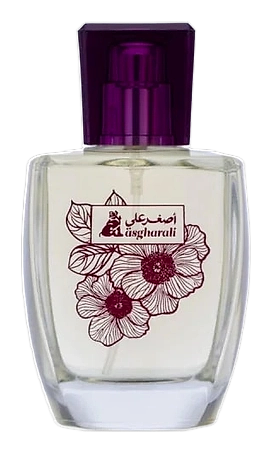
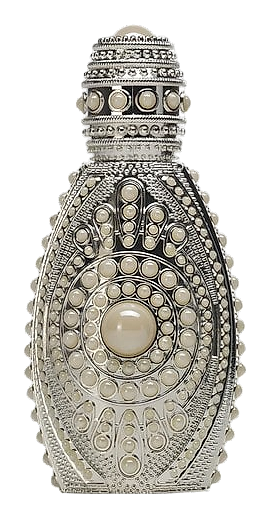
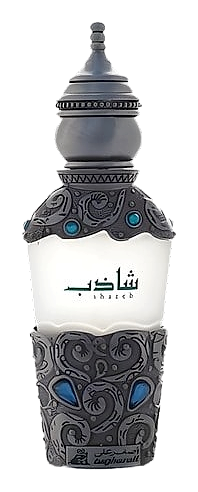
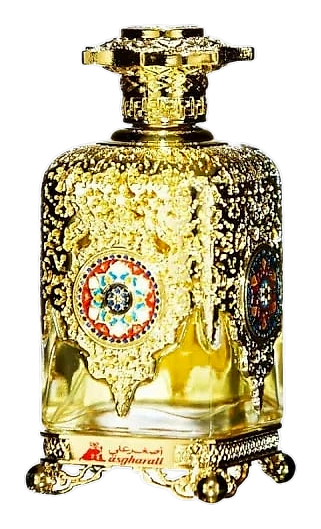
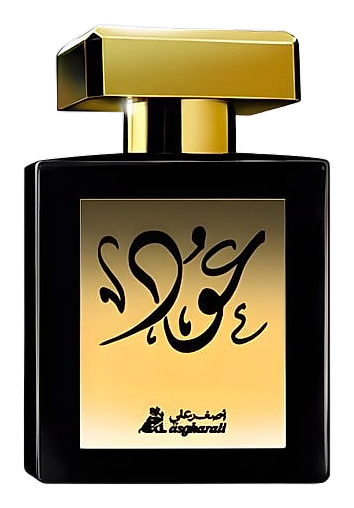
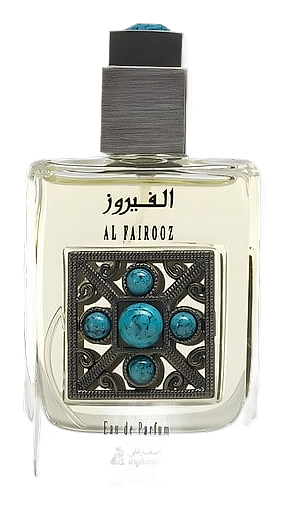
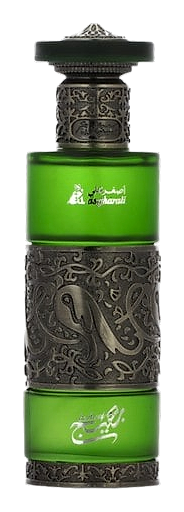
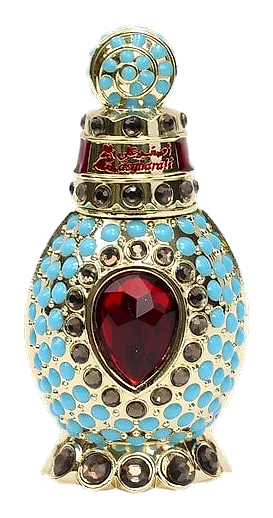
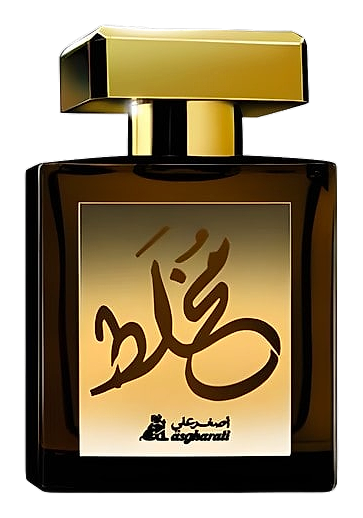
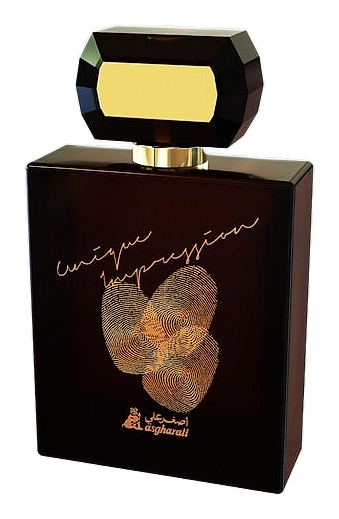
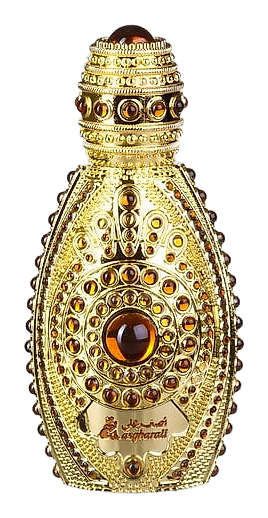
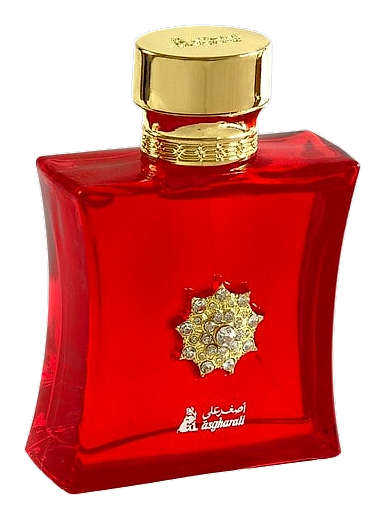
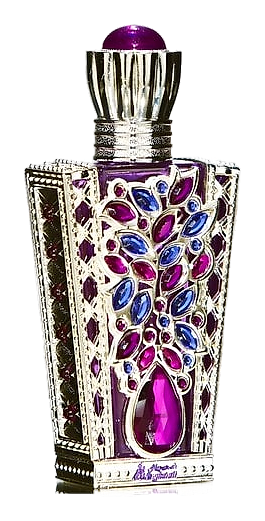
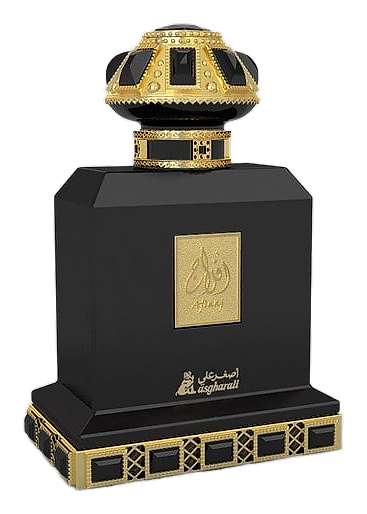
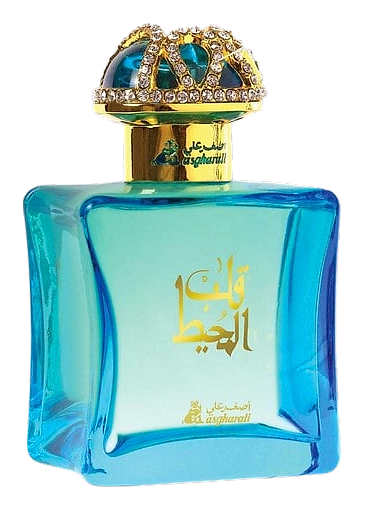
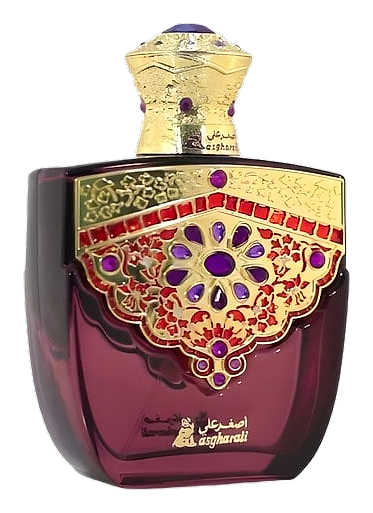
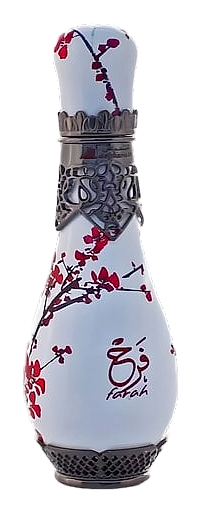
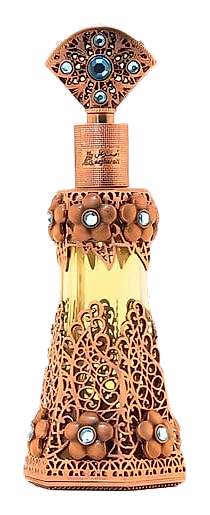
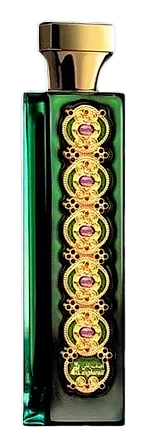
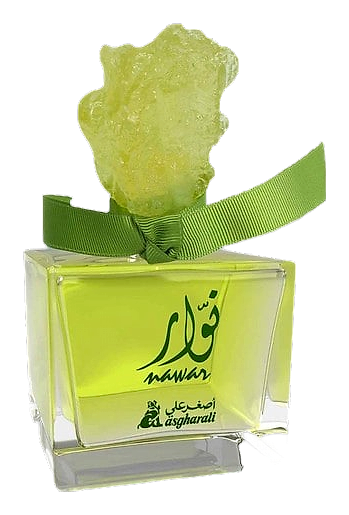
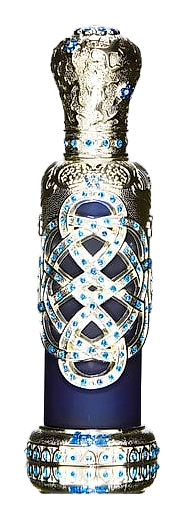
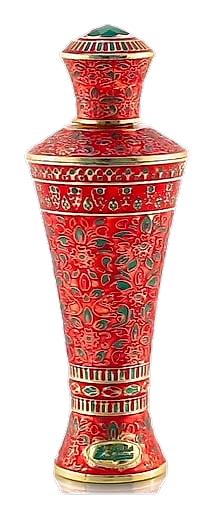
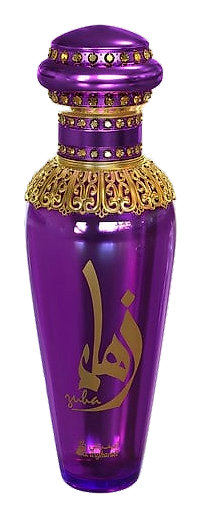
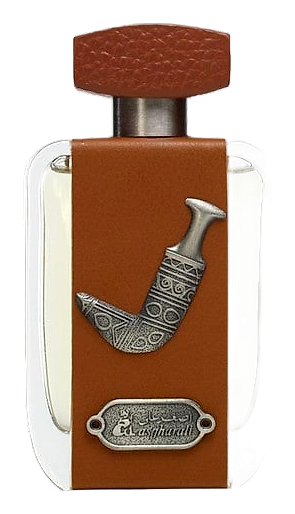
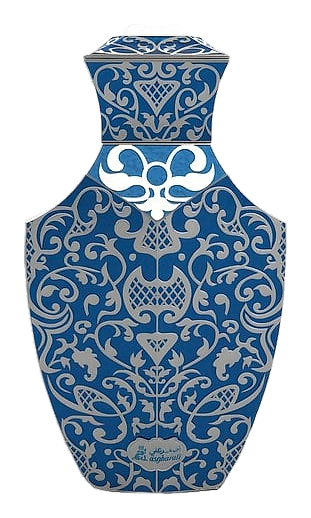
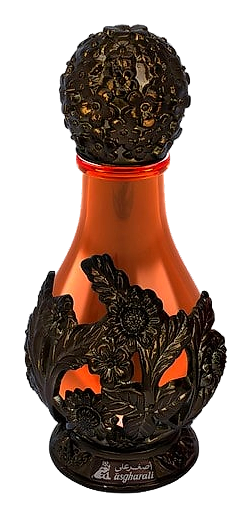
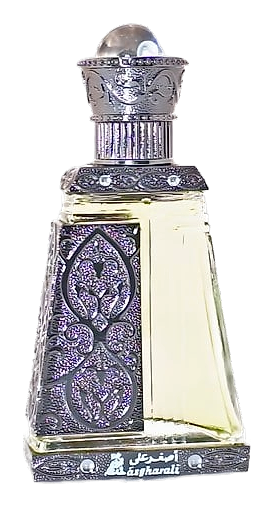
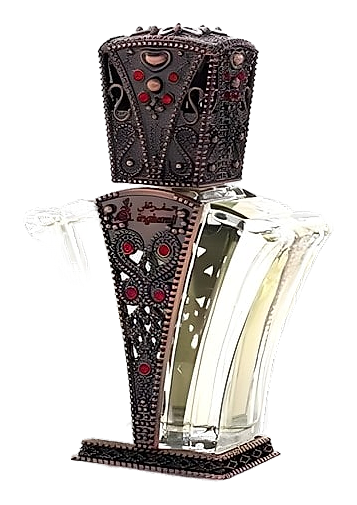
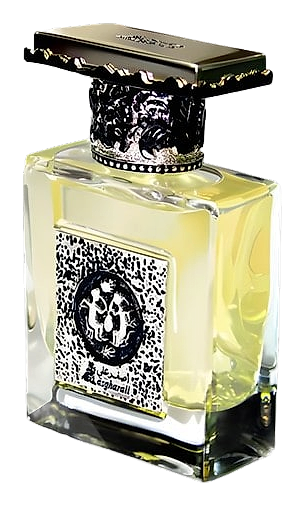
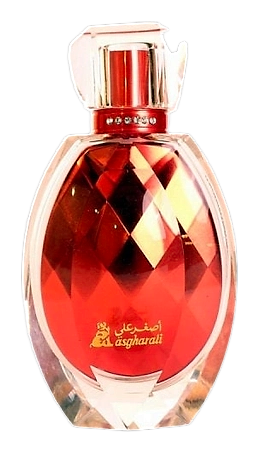
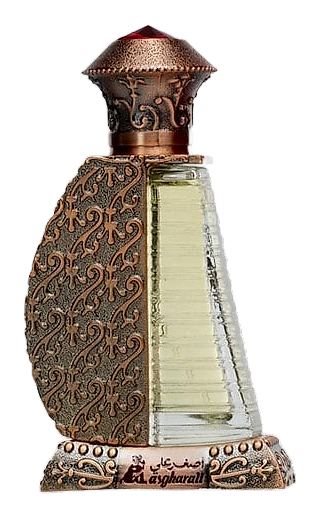
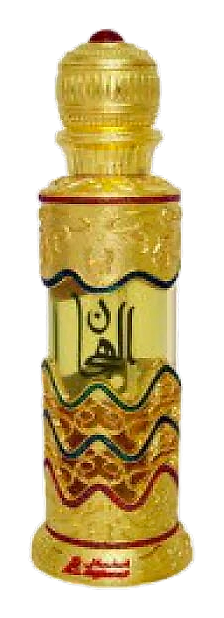
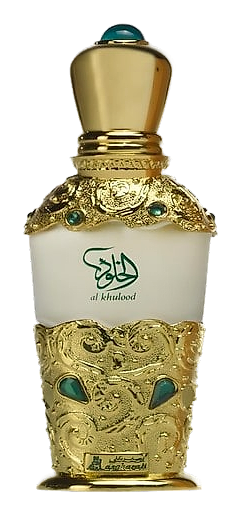
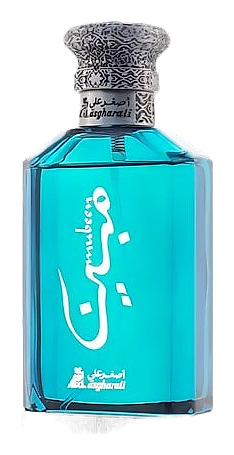
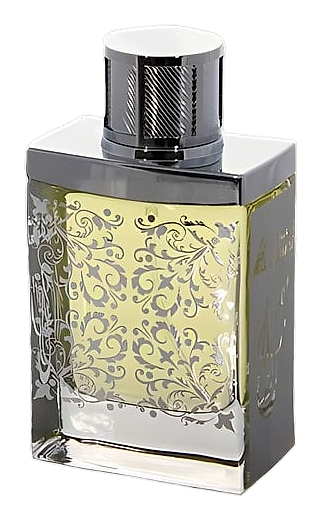
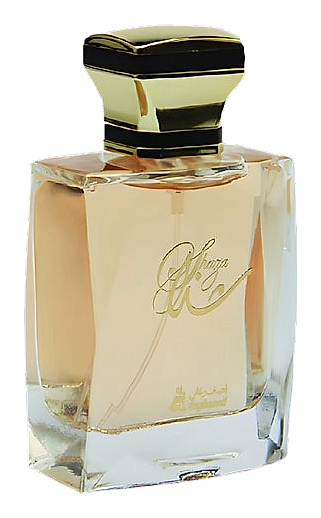
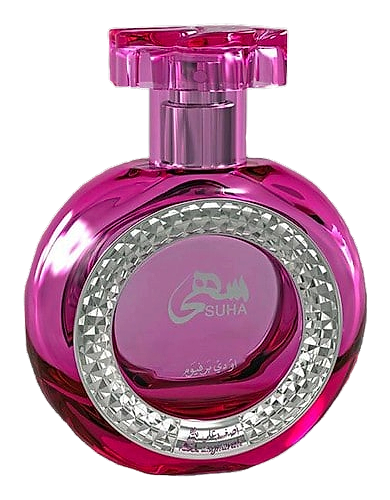
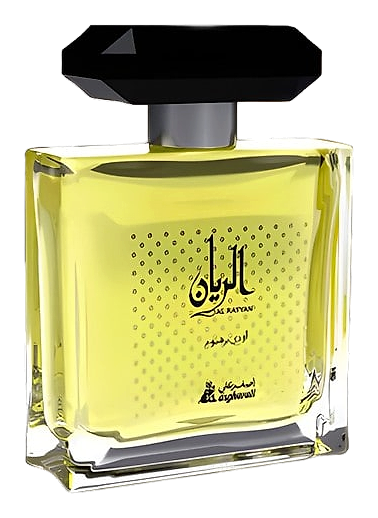
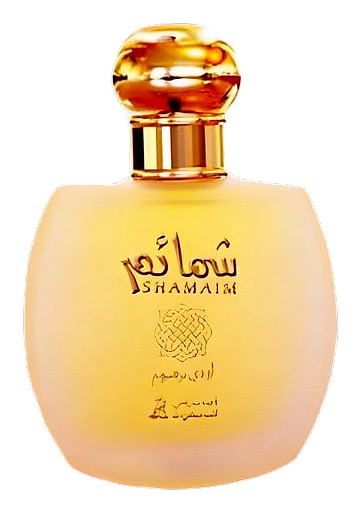
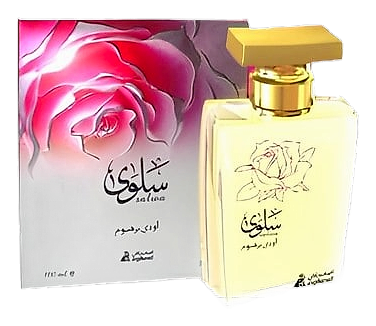
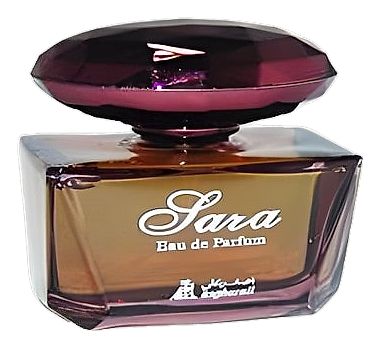
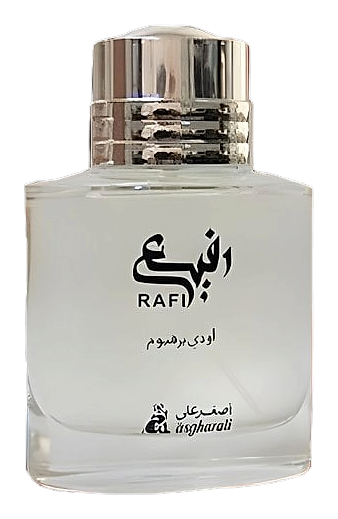
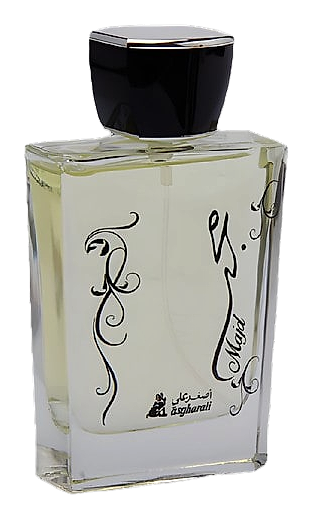
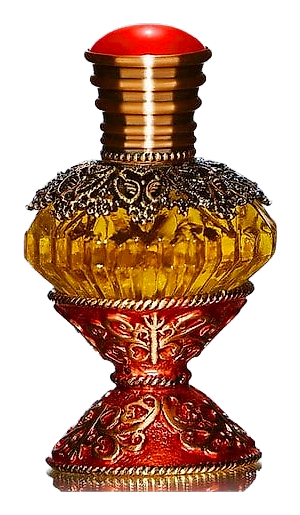
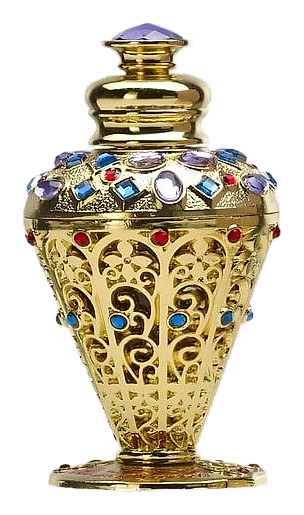
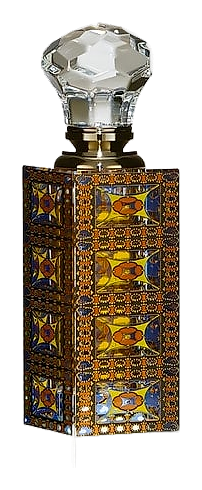
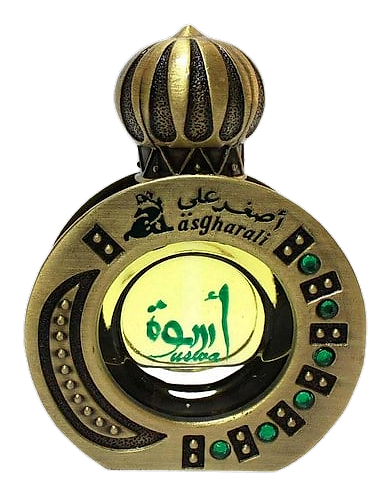
    Visually, Asgharali presents a refined yet culturally resonant identity. The primary colour palette draws from desert sands and deep amber, reflecting the natural tones of the ingredients themselves. Bottle designs often incorporate slender glass vessels with gold‑toned caps, and the brand’s Arabic calligraphy is embossed on the front, providing a tactile link to its heritage. Gift sets are housed in lacquered wooden boxes that feature geometric patterns reminiscent of traditional Bahraini architecture. The typography used on labels is a modern Arabic typeface paired with clean Latin lettering, allowing the brand to communicate across linguistic borders while preserving its regional roots. In retail spaces, display tables are draped with rich fabrics and scented with a subtle diffusion of the house’s signature attars, creating an immersive environment that invites customers to linger. The overall aesthetic balances understated luxury with authentic cultural references, positioning Asgharali as both a keeper of tradition and a contemporary lifestyle brand.

    Philosophy

    Asgharali’s creative vision is anchored in the belief that fragrance is a living archive of Arabian culture. The house prioritises ingredients that have been cultivated in the Gulf for generations, such as Bahraini rose, Omani frankincense and Indian sandalwood, and treats each raw material as a narrative thread. The brand’s values stress authenticity, respect for traditional extraction methods, and a commitment to delivering scents that resonate with regional memory while remaining accessible to a global audience. In practice, the perfumers—though not individually credited—work within a collaborative studio that references historic recipes and adapts them to contemporary preferences. The company’s approach to perfumery avoids fleeting trends; instead, it seeks to refine classic accords, ensuring that each attar or bakhoor maintains a balance between intensity and elegance. Sustainability is increasingly part of the philosophy, with sourcing decisions that favour suppliers who practice responsible cultivation and harvesting. This blend of cultural stewardship and measured progress defines Asgharali’s stance in a market where many brands chase novelty at the expense of heritage.

    Key Milestones

    1919

    Asghar Ali arrives in Bahrain and begins modest perfume trading.

    1924

    Formal establishment of the Asgharali Group in the Kingdom of Bahrain.

    1960

    Launch of the first bottled perfume line, expanding beyond traditional attars.

    1990

    Opening of a modern distillation facility that blends copper stills with temperature‑controlled technology.

    2024

    Centennial celebration marking 100 years of continuous operation and international expansion.

    At a Glance

    Brand profile snapshot

    Origin

    Bahrain

    Founded

    1924

    Heritage

    102

    Years active

    Collection

    7

    Fragrances released

    Avg Rating

    3.8

    Community sentiment

    Release Rhythm

    2014
    7
    2013
    4
    2009
    1
    2007
    1
    asgharali.com

    Did You Know?

    Interesting Facts

    Distinctive details and defining moments that shape the house personality.

    01

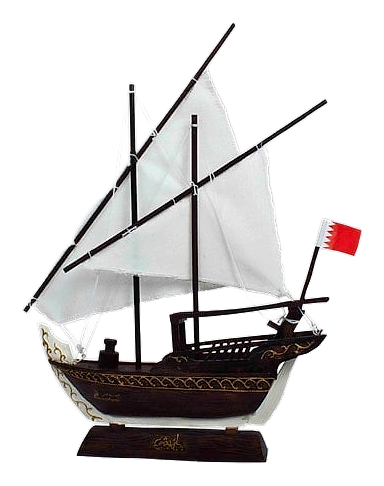
    The founder, Asghar Ali, reportedly traveled to Bahrain by dhow, a traditional sailing vessel, before setting up his first workshop.

    02

    During World War II, Asgharali maintained production despite regional supply disruptions, relying on locally grown rose and imported oud.

    03

    The brand’s bakhoor tablets are still pressed by hand in a process that takes up to two hours per batch.

    04

    Asgharali’s 2022 limited edition set featured a bottle designed by a Bahraini architect who incorporated elements of the Al‑Fateh Grand Mosque’s arches.

    The Artisans

    The Perfumers