    Brand Profile

    Junaid Perfumes is a family‑run fragrance house rooted in Bahrain since 1910. Over more than a century the brand has built a catalogue that…More

    Bahrain·Est. 1910·Site

    2

    Fragrances

    4.2

    Rating

    Just Landed

    New Arrivals

    The latest additions to the Junaid Perfumes collection.

    50
    Shear by Junaid Perfumes
    Best Seller
    4.8

    Shear

    Shuhaiyah by Junaid Perfumes
    Best Seller
    4.7

    Shuhaiyah

    Ritaj by Junaid Perfumes
    Best Seller
    4.7

    Ritaj

    Araik by Junaid Perfumes
    4.7

    Araik

    Oud Junaid by Junaid Perfumes
    4.6

    Oud Junaid

    Al Oudh Al Hindi by Junaid Perfumes
    4.6

    Al Oudh Al Hindi

    Essence  of Arabia Patchouli by Junaid Perfumes
    4.6

    Essence of Arabia Patchouli

    Ruaa by Junaid Perfumes
    4.5

    Ruaa

    Essence  of Arabia  Oud by Junaid Perfumes
    4.5

    Essence of Arabia Oud

    Mazaya by Junaid Perfumes
    4.5

    Mazaya

    Razeen by Junaid Perfumes
    4.5

    Razeen

    Bareeq by Junaid Perfumes
    4.5

    Bareeq

    1 of 5

    The Heritage

    The Story of Junaid Perfumes

    Junaid Perfumes is a family‑run fragrance house rooted in Bahrain since 1910. Over more than a century the brand has built a catalogue that spans traditional Arabian oud blends, aromatic patchouli compositions and a selection of French‑inspired scents. Its offerings include Shear, Shuhaiyah, Ritaj, Al Oudh Al Hindi, Oud Junaid, Essence of Arabia Patchouli, Essence of Arabia Fusion, Mazaya, Qaium and Lammar. The house serves collectors and everyday wearers alike, positioning its bottles on boutique shelves across the Gulf and, through recent partnerships, on North‑American e‑commerce platforms.

    Heritage

    The story of Junaid Perfumes begins in October 1910, when the great‑grandfather of today’s owners arrived in Bahrain and opened a modest shop selling locally sourced attars. Early ledgers, preserved by the family, record sales of traditional incense and simple oil blends to merchants along Manama’s souks. By the 1930s the shop expanded its inventory to include imported French eaux de toilette, a move that reflected Bahrain’s growing role as a trading hub. The 1950s saw the opening of a second storefront in the capital’s commercial district, allowing the brand to reach a broader clientele and to begin experimenting with proprietary oud extracts sourced from the Indian subcontinent. In the 1970s Junaid introduced its first fully Arabic‑styled fragrance, Al Oudh Al Hindi, which combined Indian agarwood with native Bahraini sandalwood, establishing a signature scent profile that would recur in later releases. The 1990s marked a generational hand‑over as Syed Junaid Alam assumed leadership; he modernised the retail experience, introduced a line of French‑inspired perfumes, and instituted systematic quality checks that aligned the house with emerging international standards. A notable milestone arrived in 2019 when Junaid partnered with Fragrance Arabia to distribute its collection across the United States, Canada and Mexico, extending the brand’s reach beyond the Gulf for the first time. Throughout its history the house has remained anchored in family tradition while gradually embracing new markets and technologies, a balance that has kept the name relevant for more than a century.

    Craftsmanship

    Production at Junaid Perfumes blends time‑honoured artisanal methods with modern quality controls. Raw ingredients arrive in sealed barrels; oud chips are steam‑distilled in small copper stills, a process that preserves the wood’s nuanced resinous notes. The resulting oil is aged for several months in glass containers, allowing volatile compounds to mellow before blending. For patchouli and other botanicals, the house employs cold‑press extraction to retain green, earthy facets. Each fragrance is assembled by hand in the family workshop, where senior perfumers follow generational formulas while adjusting ratios to match current olfactory trends. After blending, the mixture rests in temperature‑controlled rooms for up to six weeks, a period that encourages molecular integration and stabilises the scent profile. Quality assurance includes gas‑chromatography analysis to verify ingredient purity and batch‑to‑batch consistency. Bottling occurs on a dedicated line that caps each vial with a gold‑plated stopper, then seals the bottle with a tamper‑evident foil. Final inspection involves visual checks for clarity, scent diffusion tests, and a signed certificate of authenticity that accompanies every shipment. This meticulous approach ensures that each Junaid perfume delivers the depth and longevity expected from a house with more than a hundred years of experience.

    Design Language

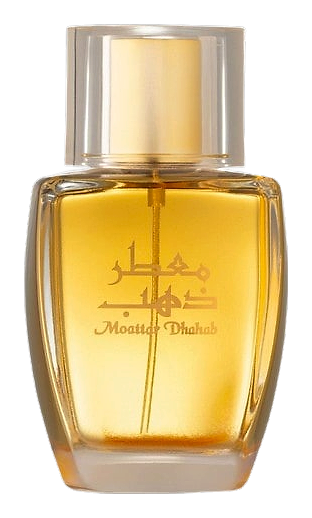
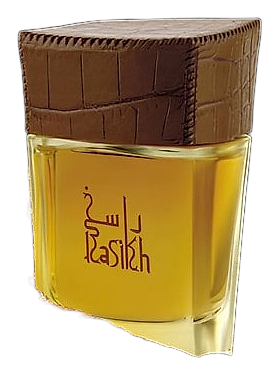
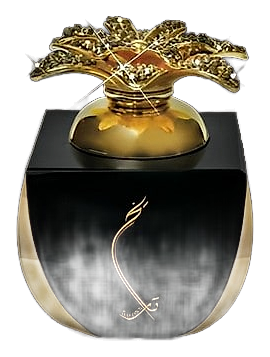
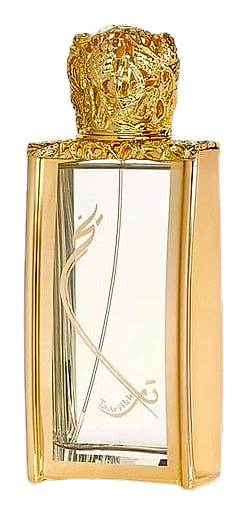
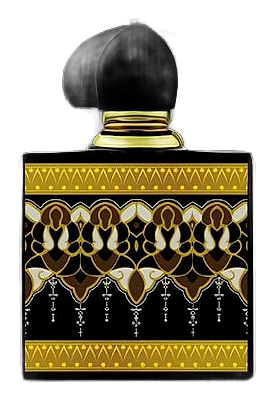
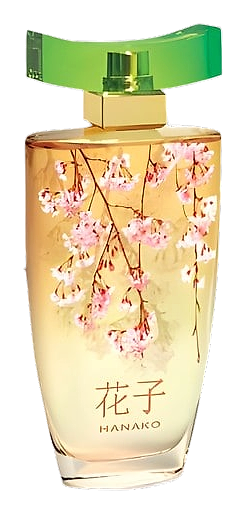
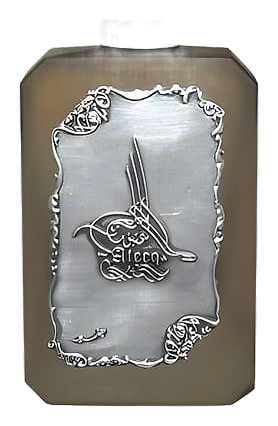
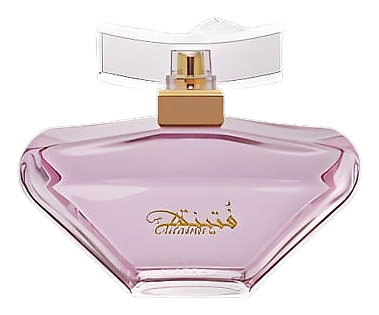
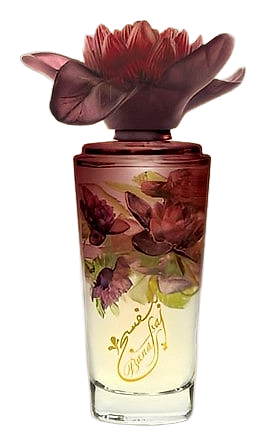
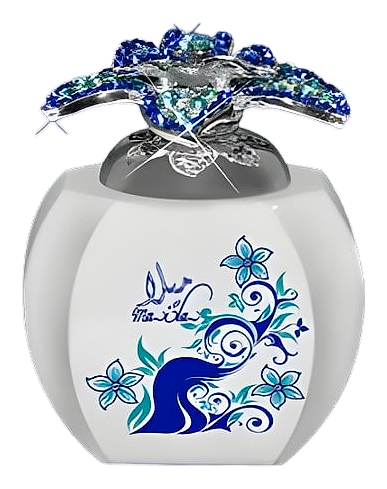
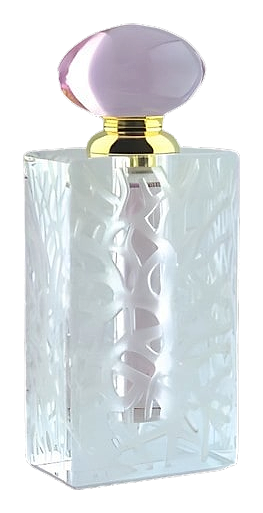
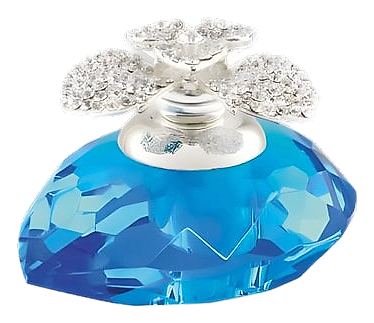
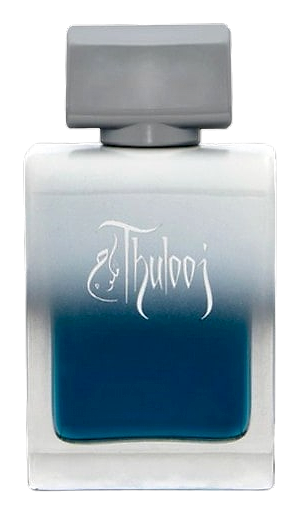
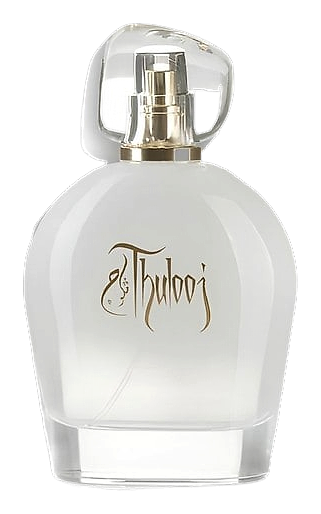
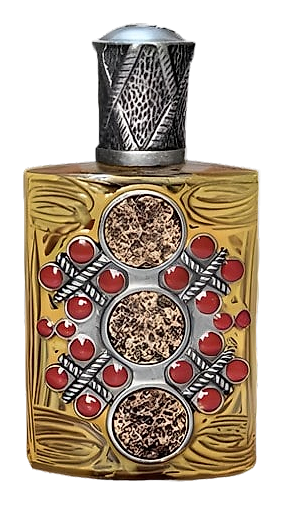
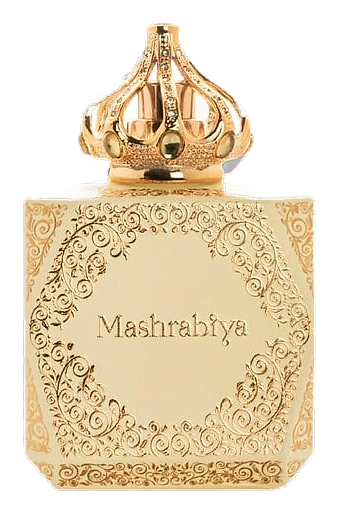
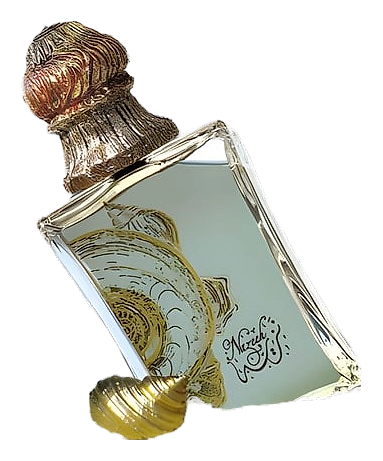
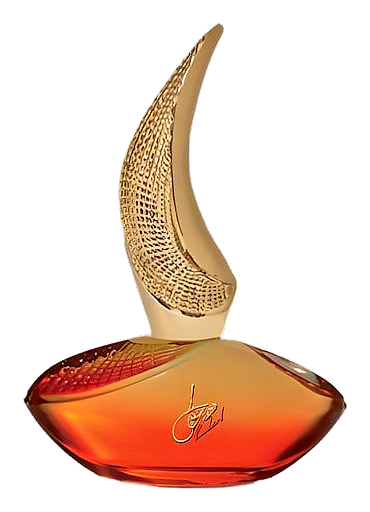
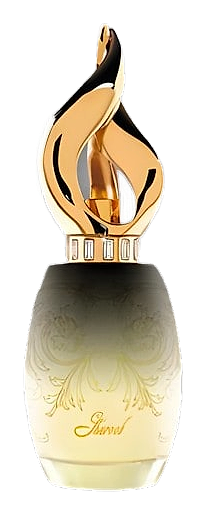
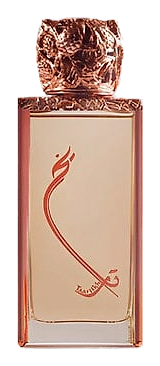
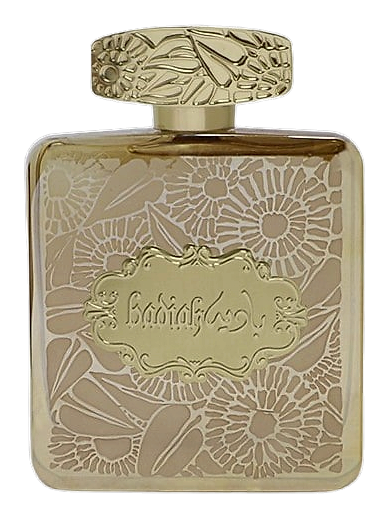
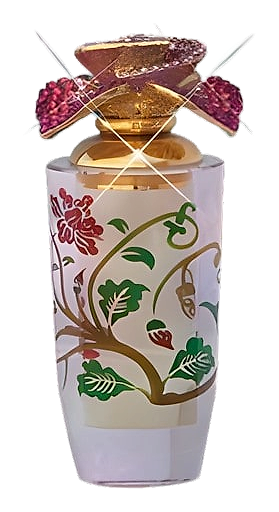
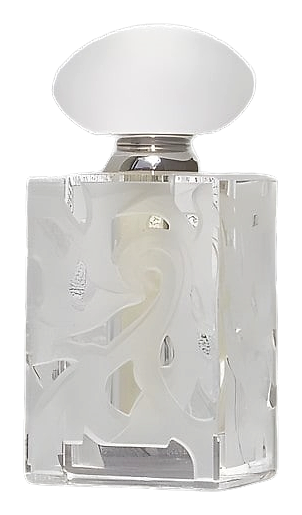
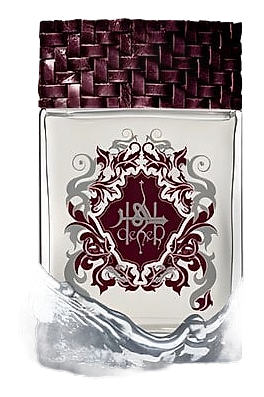
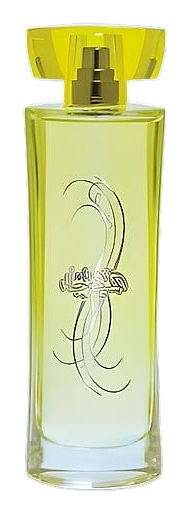
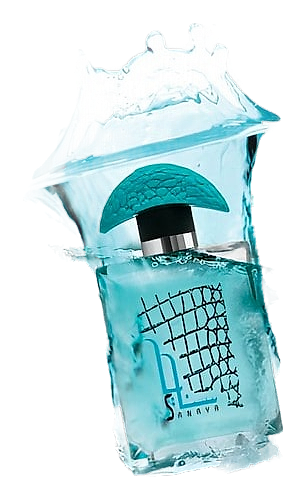
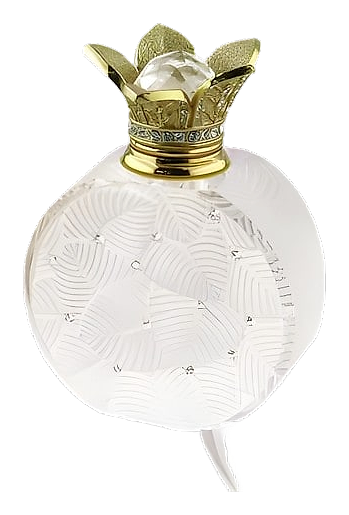
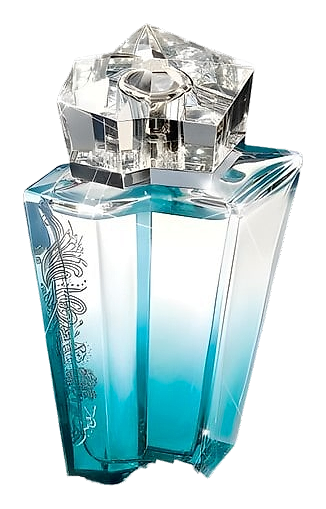
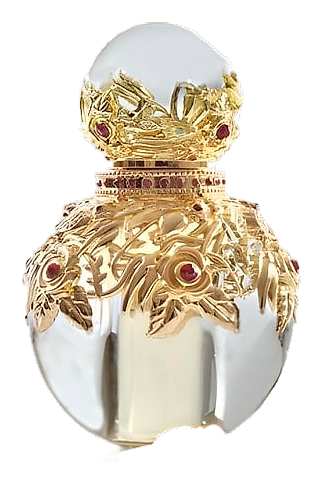
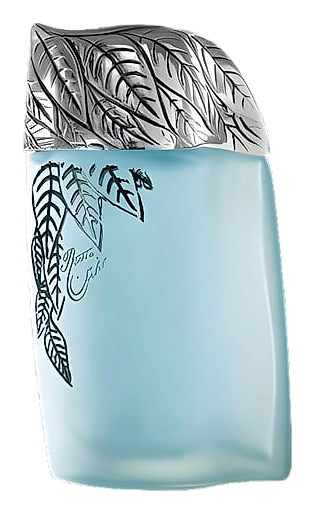
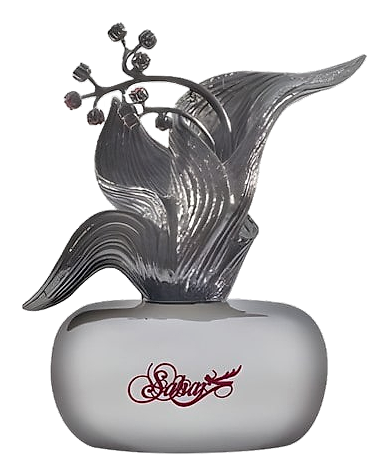
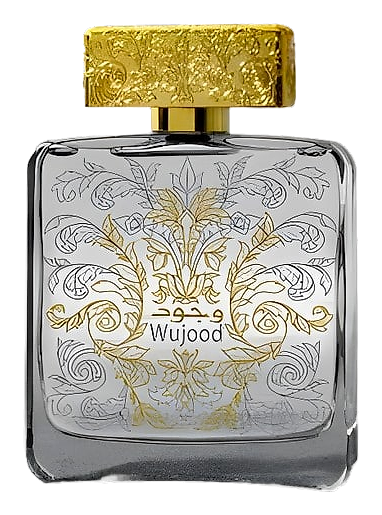
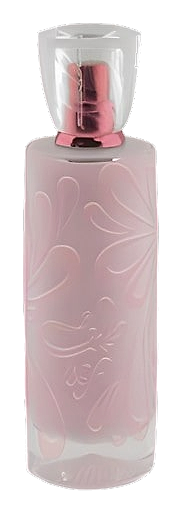
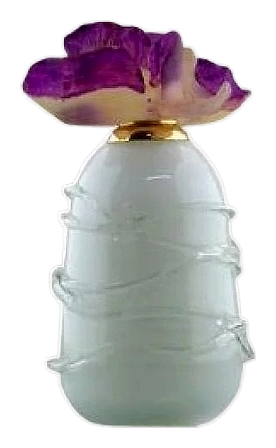
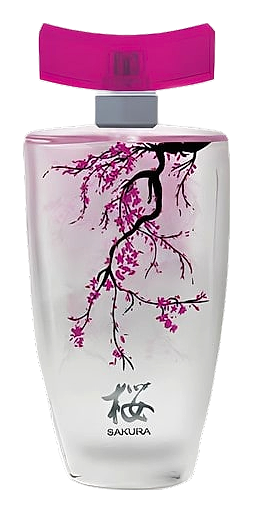
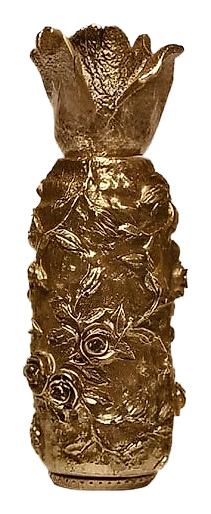
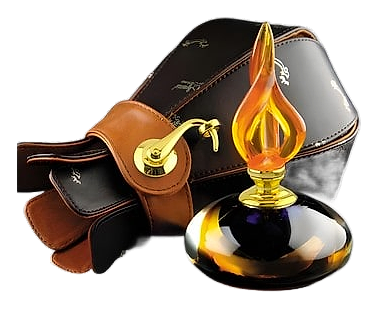
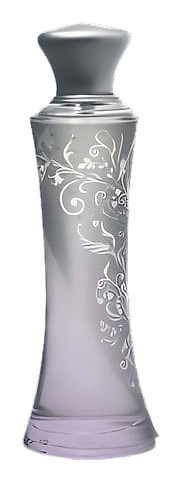
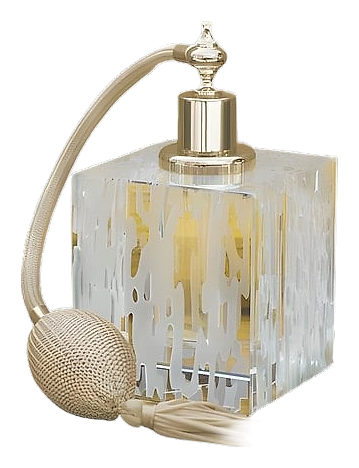
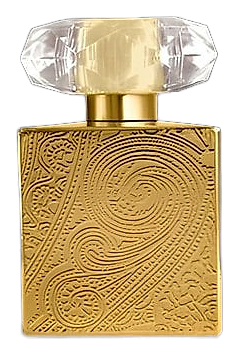
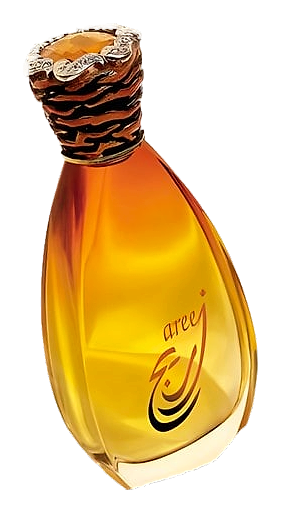
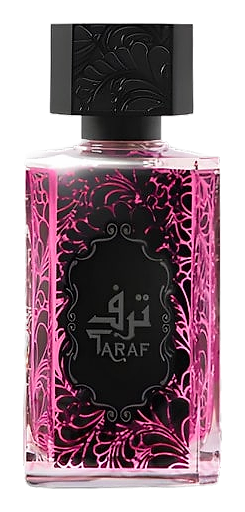
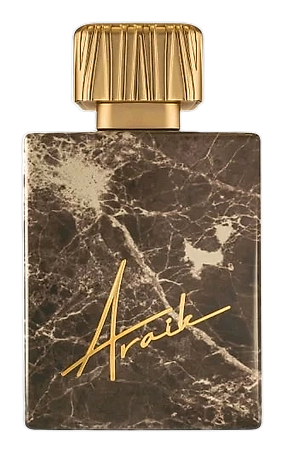
    The visual language of Junaid Perfumes reflects its dual heritage. Bottle silhouettes are clean and rectangular, echoing the minimalist design of classic French flacons, while the facades feature engraved Arabic calligraphy that spells the fragrance name in elegant script. Gold accents appear on caps and label borders, a nod to the region’s historic association with precious metals. Labels employ a muted palette of deep amber, charcoal and ivory, allowing the perfume’s name to stand out without overwhelming the eye. Store interiors combine polished marble flooring with wooden display cabinets, creating a space that feels both contemporary and rooted in Gulf craftsmanship. Lighting is soft and directional, highlighting the warm tones of the bottles and inviting customers to linger. Promotional imagery often pairs the fragrance with desert dunes or historic Bahraini architecture, reinforcing the brand’s narrative of place‑based scent storytelling.

    Philosophy

    Junaid Perfumes frames its creative vision around the dialogue between heritage and contemporary taste. The house believes that a fragrance should tell a story rooted in place, so each composition references a specific scent memory from Bahrain’s coastal markets or the spice routes that once crossed the Arabian Peninsula. Respect for raw materials guides sourcing decisions; the brand prefers natural oud, agarwood and patchouli harvested under sustainable practices, and it works directly with growers in India, Indonesia and the Horn of Africa to ensure traceability. Transparency in formulation is another pillar: family recipes are documented, yet each new launch undergoes blind testing with regional perfumers to verify balance and longevity. The brand also values the sensory ritual of perfume application, encouraging users to experience scent as a moment of pause rather than a fleeting trend. By marrying traditional Arabic olfactory structures with the elegance of French perfumery, Junaid seeks to create scents that feel both familiar and novel, inviting wearers to explore cultural intersections through aroma.

    Key Milestones

    1910

    Great‑grandfather establishes the first Junaid perfume shop in Manama, Bahrain.

    1930

    Introduction of imported French eau de toilette alongside traditional attars.

    1950

    Second storefront opens, expanding retail presence in Bahrain’s commercial district.

    1970

    Launch of Al Oudh Al Hindi, the house’s first fully Arabic‑styled oud fragrance.

    1990

    Syed Junaid Alam assumes leadership, modernises retail experience and adds French‑inspired line.

    2019

    Partnership with Fragrance Arabia enables distribution in the United States, Canada and Mexico.

    At a Glance

    Brand profile snapshot

    Origin

    Bahrain

    Founded

    1910

    Heritage

    116

    Years active

    Collection

    2

    Fragrances released

    Avg Rating

    4.2

    Community sentiment

    Release Rhythm

    2025
    1
    2020
    1
    2014
    3
    2011
    1
    junaidperfumes.com

    Did You Know?

    Interesting Facts

    Distinctive details and defining moments that shape the house personality.

    01

    Junaid Perfumes is cited as the oldest perfume house operating in the Gulf Cooperation Council region.

    02

    The company’s earliest surviving business receipt is dated October 1910 and lists sales of sandalwood oil and frankincense.

    03

    Its oud for Al Oudh Al Hindi is sourced from Indian agarwood forests, a supply chain that the house monitors for sustainability.

    04

    Four generations of the same family have overseen the brand, each adding a distinct layer to the fragrance portfolio.