
The Story
Why it exists.
The beginning
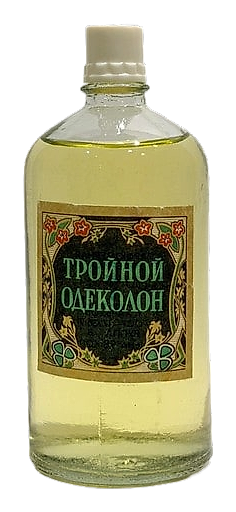
Troynoy arrived in 1889, when Russian perfumery was still finding its own language, looking to French tradition for grammar but searching for something distinctly its own. Novaya Zarya's perfumers had a brief: create a masculine fragrance that could stand alongside European compositions without simply copying them. The result was Troynoy, the name itself means triple, suggesting layers, complexity, a fragrance that rewards patience. Bergamot and neroli open clean and assertive. Lavender and mint anchor the middle in that cool, herbal register beloved by Russian fragrance wearers. The base of nutmeg and amber adds warmth without heaviness. This was not meant to be showy. Russian masculine fragrance preferences have always leaned toward restraint, projection that stays close to the skin, longevity that outlasts the workday without announcing itself to the next room.
The structure is classical: citrus opening, aromatic heart, warm base. No gimmicks, no modern accords trying to reinvent the wheel. What makes Troynoy distinctive is the precision of its execution, the way the mint and lavender arrive together and hold the middle ground for hours, the way the nutmeg in the base doesn't dominate but instead adds a quiet spiced warmth that extends the drydown. The musk is clean, almost soapy in the best way, the kind of musk that smells like skin, not like a laboratory. This is what Russian masculine fragrance used to mean before market forces homogenized everything into endless flanks and limited editions chasing TikTok virality.
The evolution
The opening hits sharp. Bergamot and neroli arrive together with an almost medicinal clarity, no softness, no diffusion. The neroli adds its bitter orange blossom edge, making the citrus feel less sunny, more steel-cut. Not unpleasant. Just honest. Within ten minutes, mint and lavender arrive and shift the register entirely. This is where the fragrance lives most of its life, cool, aromatic, the kind of smell that used to fill department store counters in Moscow before projecting became gauche. Coriander bridges the transition, its spicy-herbal character threading into the lavender. The drydown belongs to amber and musk, with nutmeg holding on longest, a quiet warmth that stays close to the skin. By hour five, only the musk remains. Clean, warm, intimate. The kind of smell someone standing next to you will notice and remember.
Cultural impact
Troynoy occupies a specific place in Russian fragrance culture, not a statement fragrance, not a collector's curiosity, but a reference point. The kind of scent that older Russian fragrance wearers mention when discussing what masculine fragrance used to mean. Its persistence over more than a century suggests it does something right. The question worth asking is what that says about how Russian fragrance culture values restraint over projection, longevity over initial impact, and identity over trend-chasing.