
The Story
Why it exists.
The beginning
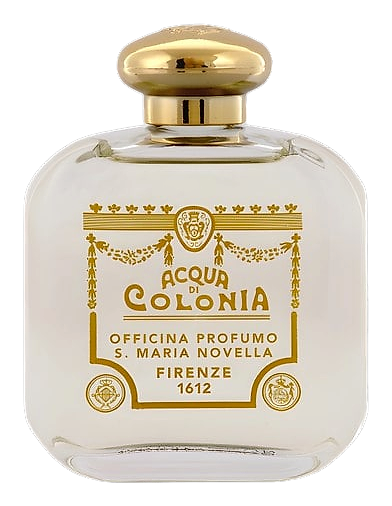
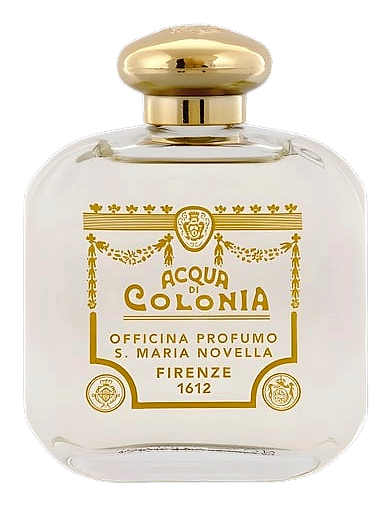
Acqua di Colonia did not arrive from a perfumer's sketchbook. It arrived from an infirmary. In 1533, Dominican friars at the convent of Santa Maria Novella in Florence blended a scented water for a young woman who was about to change European history: Catherine de' Medici, bound for the French court. The composition, bergamot, neroli, citrus, and aromatic botanicals, was functional first, fragrant second. The friars understood that scent calmed the mind. They made something that worked. Catherine took it with her to France, and the formula stayed behind, where it has been made, bottle after bottle, for nearly five centuries. No reinvention. No reinterpretation. Just the same thing, still true.
What makes this composition unusual is not any single ingredient, it is the structure. Most modern colognes open bright and collapse within the hour. Acqua di Colonia does not follow that arc. The bergamot opens sharp and clean, yes, but the heart is where the friars' intentions show. Lavender and petitgrain bring their own character, adding depth and balance. The clove adds a warmth that most citrus fragrances actively avoid. And the benzoin at the base anchors everything, creating a foundation that supports the brighter notes above.
The evolution
The opening hits immediately, bergamot and neroli, bright and almost astringent, like the first slice of lemon on a Florentine morning. Tangerine flickers underneath, brief and sweet. Within ten minutes the citrus begins to share space with the heart: lavender arrives first, green and slightly camphoraceous, followed by petitgrain and rosemary. The clove announces itself quietly, not as spice, but as warmth, a background heat that keeps the composition from feeling like a cleaning product. This is where most colognes start to fade. Acqua di Colonia does not. The benzoin eventually takes over and changes the entire character. What was sharp becomes soft. What was bright becomes warm. The drydown holds for hours, close to the skin, present without projecting, the lavender still faintly visible beneath the benzoin's resinous finish.
Cultural impact
Acqua di Colonia occupies a singular position in the world of fragrance. When a cologne is described as timeless, it is usually being measured against something like this. The impact is measured in centuries. What other fragrance can claim that its wearer is participating in a ritual that has been performed, essentially unchanged, since the Renaissance?