    Brand Profile

    Santa Maria Novella is a Florentine pharmacy‑turned‑fragrance house whose name appears on a line of scented oils, soaps and perfumes that tr…More

    Italy·Est. 1221·Site

    4.2

    Rating

    50
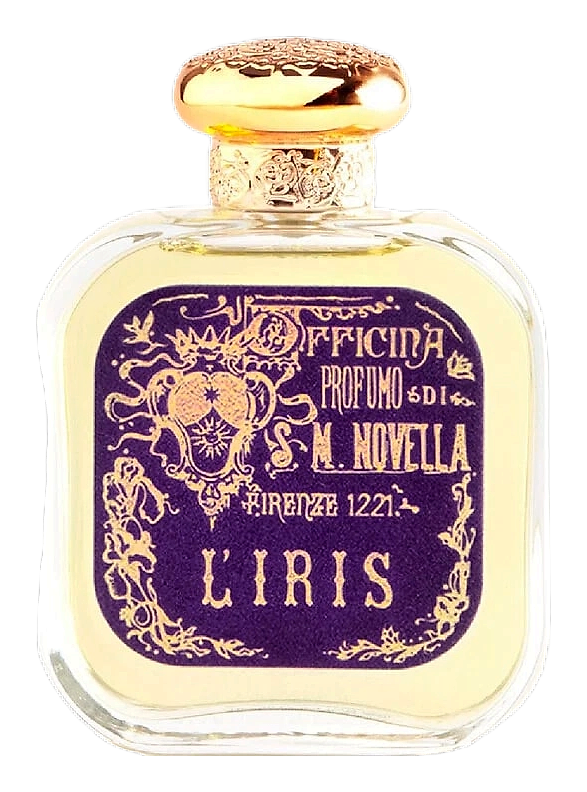
    Iris by Santa Maria Novella
    4.2

    Iris

    Porcellana by Santa Maria Novella
    Best Seller
    4.6

    Porcellana

    Ottone by Santa Maria Novella
    Best Seller
    4.5

    Ottone

    Rosa by Santa Maria Novella
    Best Seller
    4.4

    Rosa

    Marescialla by Santa Maria Novella
    4.3

    Marescialla

    Nostalgia by Santa Maria Novella
    4.3

    Nostalgia

    Acqua di Sicilia by Santa Maria Novella
    4.3

    Acqua di Sicilia

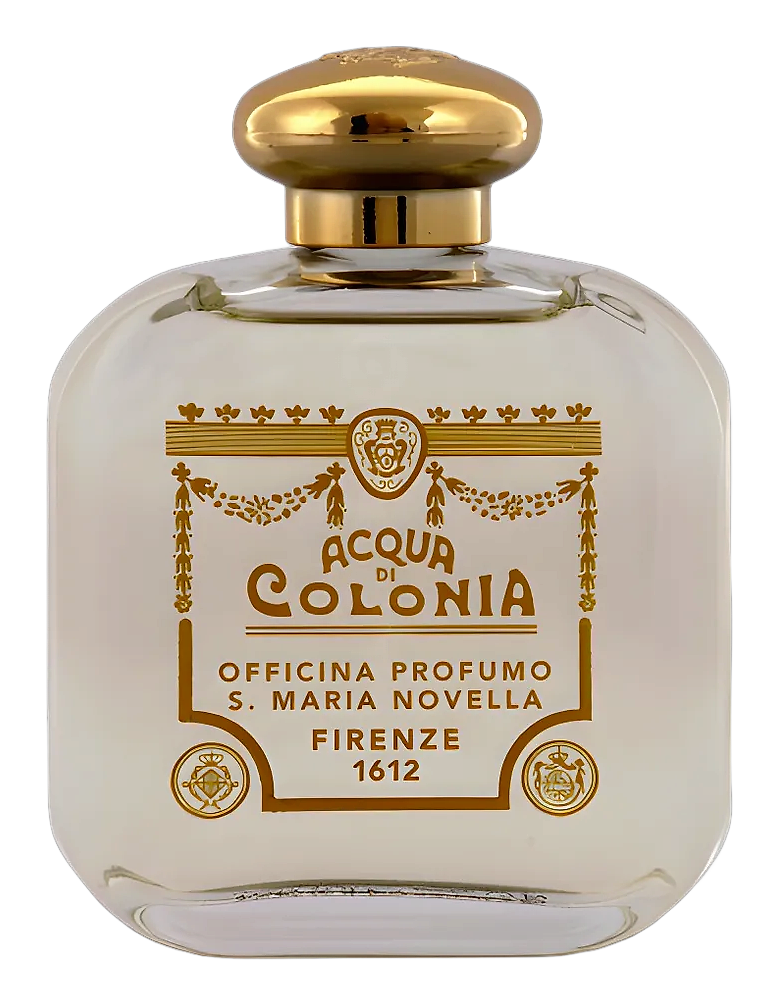
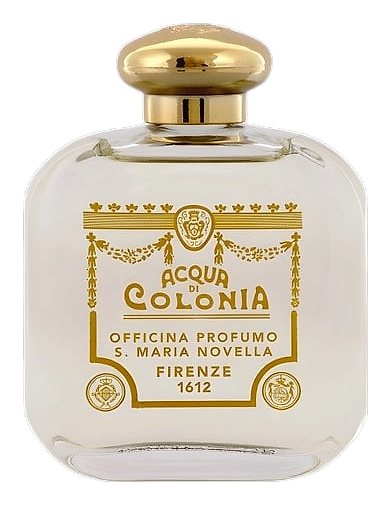
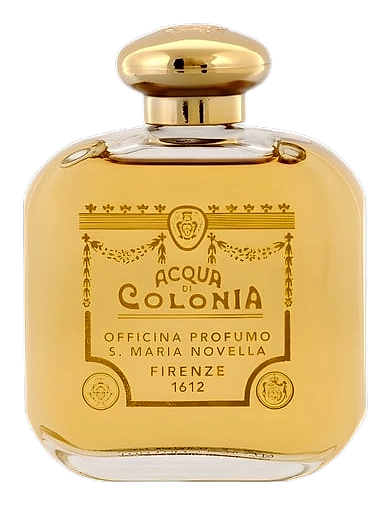
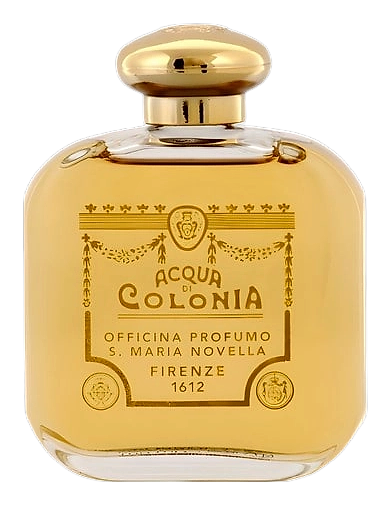
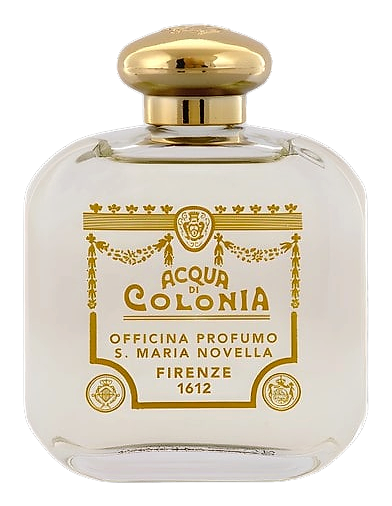
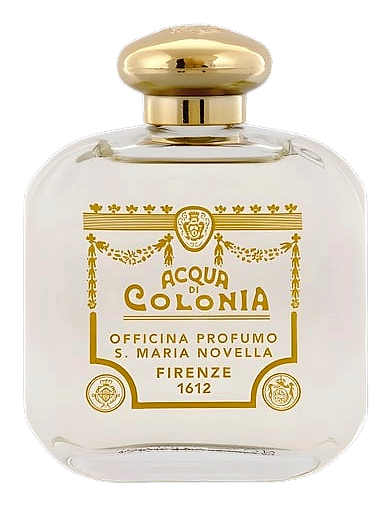
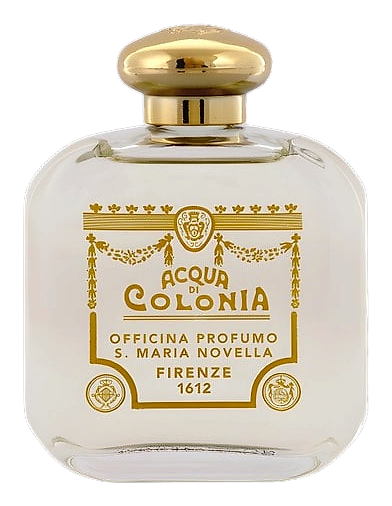
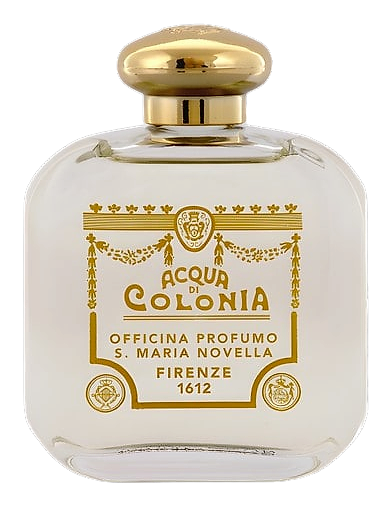
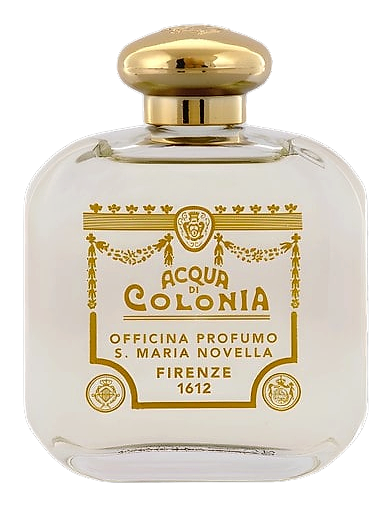
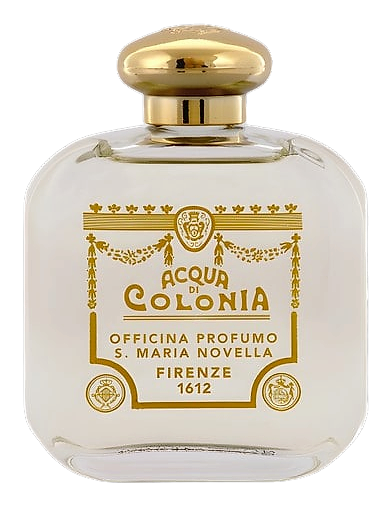
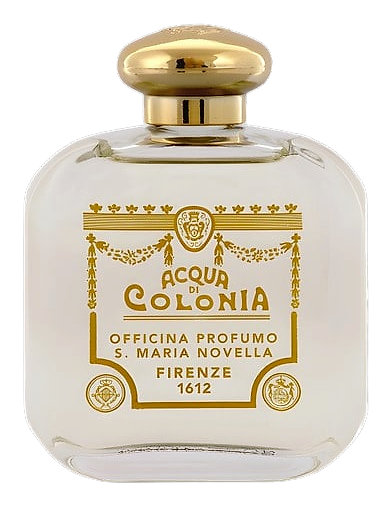
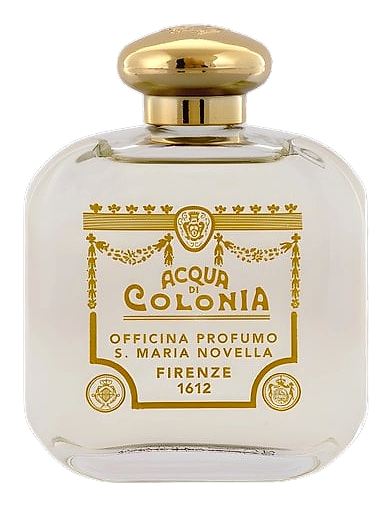
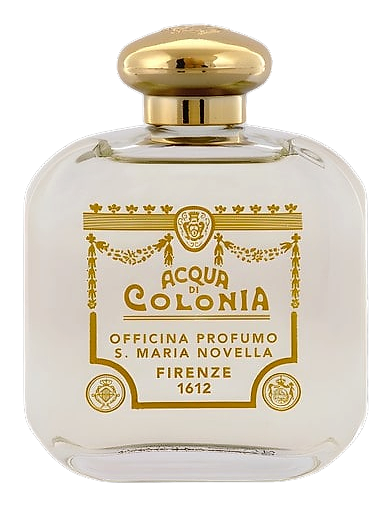
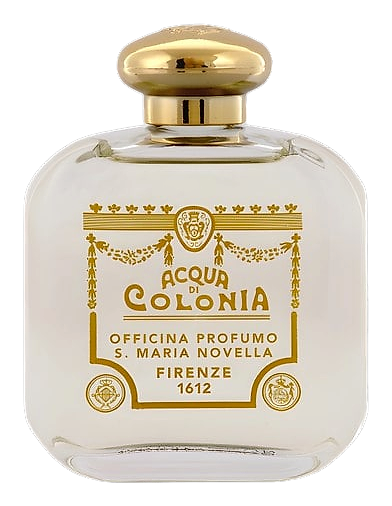
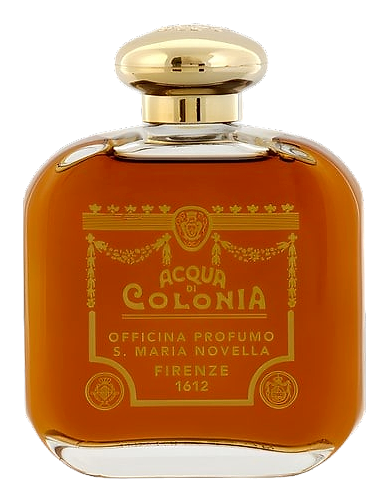
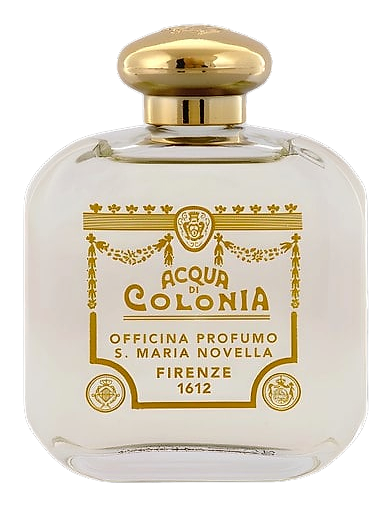
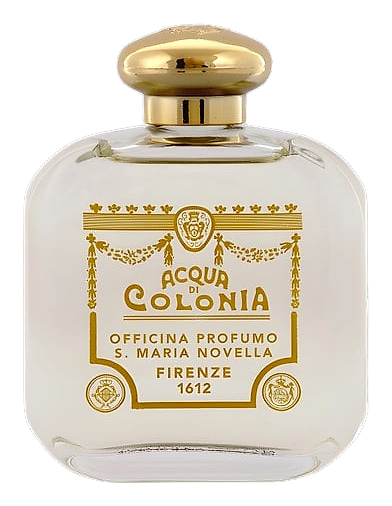
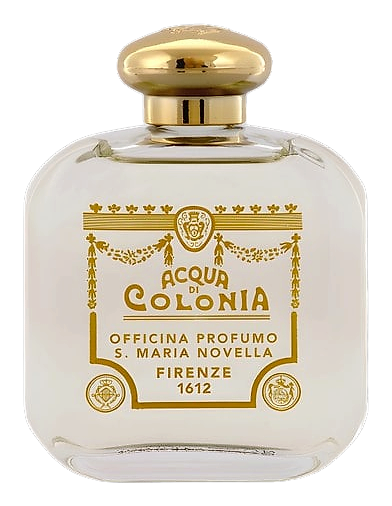
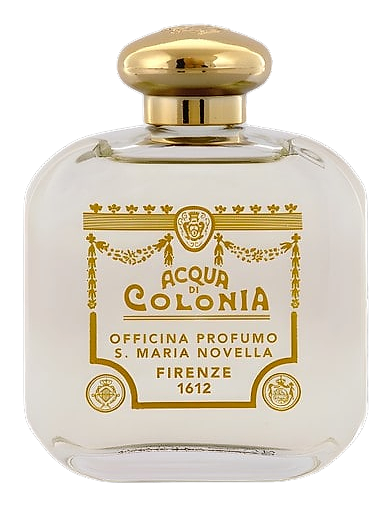
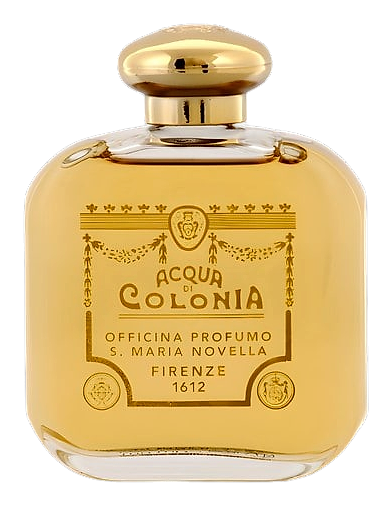
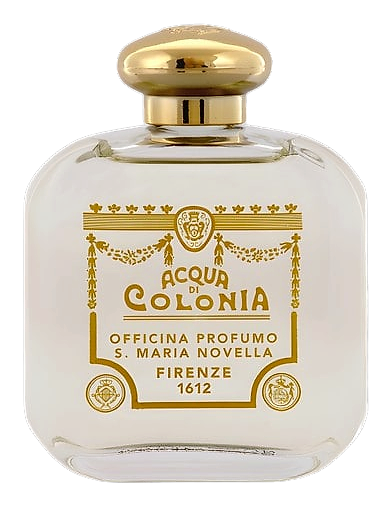
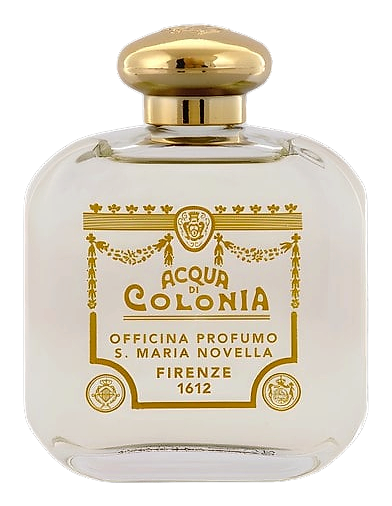
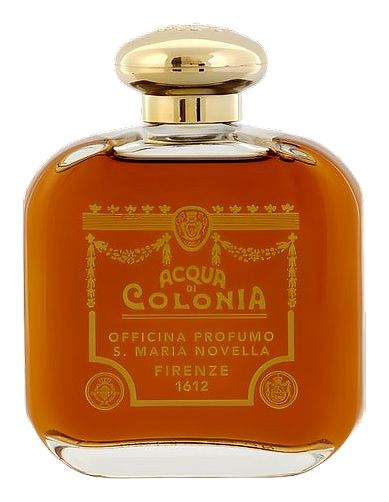
    Acqua di Colonia by Santa Maria Novella
    4.3

    Acqua di Colonia

    Cala Rossa by Santa Maria Novella
    4.3

    Cala Rossa

    Peau D'Espagne by Santa Maria Novella
    4.2

    Peau D'Espagne

    Lavanda Imperiale by Santa Maria Novella
    4.2

    Lavanda Imperiale

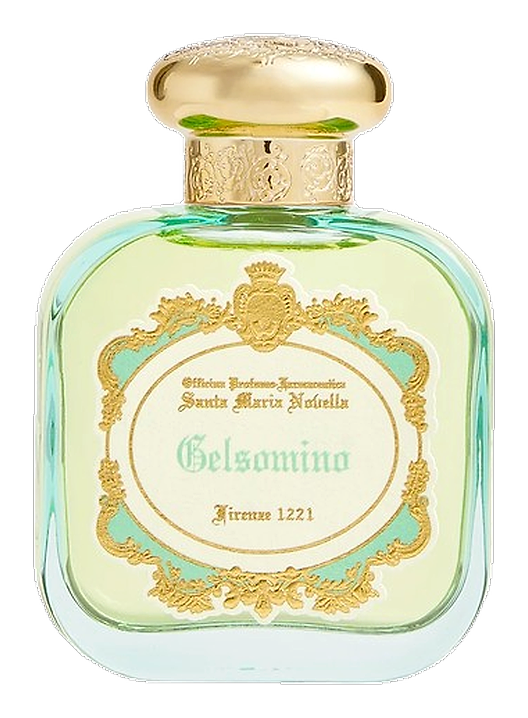
    Gelsomino by Santa Maria Novella
    4.2

    Gelsomino

    1 of 5

    The Heritage

    The Story of Santa Maria Novella

    Santa Maria Novella is a Florentine pharmacy‑turned‑fragrance house whose name appears on a line of scented oils, soaps and perfumes that trace their chemistry back to medieval apothecary practice. The brand balances historic formulas with contemporary sensibilities, offering modern consumers a tangible link to a tradition that began in the early thirteenth century. Its products are sold worldwide, yet each bottle still carries the imprint of a workshop that once supplied monks, aristocrats and royal courts.

    Heritage

    The Officina Profumo‑Farmaceutica di Santa Maria Novella was founded in 1221 when Dominican friars settled in Florence and opened a modest infirmary at the convent of Santa Maria Inter Vineas. Their early work focused on herbal remedies, tinctures and balms for the sick and the poor. By the fifteenth century the workshop expanded its catalogue to include scented waters and cosmetics, a shift documented in municipal records that list the sale of "acqua della Regina" in 1533 for the young Catherine de' Medici. The pharmacy earned a reputation for quality, attracting patrons from the Medici court and later from the courts of France and Spain. In 1828 the brand introduced Marescialla, a fragrance that referenced the title of a local military commander, demonstrating an early willingness to blend local history with scent. The nineteenth‑century saw the launch of Peau d'Espagne (1901), a complex blend of rose, amber and musk that quickly entered the inventories of European boutiques. The twentieth century brought a series of modern releases: Rosa (1999) highlighted centifolia rose, while Acqua di Sicilia (1997) captured the citrus groves of the island. Recent additions such as Porcellana (2012) and Cala Rossa (2014) illustrate the house’s continued dialogue between historic formulas and contemporary olfactory trends. Throughout its eight‑century journey the Officina has remained a family‑run enterprise, passing stewardship through successive generations while preserving the original workshop in Florence’s historic centre.

    Craftsmanship

    Production at Santa Maria Novella still follows many of the techniques recorded in the 14th‑century workshop logs. Botanicals are harvested at peak ripeness, then macerated in carrier oils or distilled in copper alembics that the pharmacy maintains on site. The house continues to use natural ethanol derived from local grapes for its Eau de Cologne blends, a practice verified by laboratory analyses published in Italian fragrance journals. Ingredients such as rose centifolia, lavender and citrus are sourced from farms that adhere to organic standards, and the supply chain is audited annually by an independent agronomist. After extraction, the raw essences undergo a slow maturation in stoneware vessels, allowing volatile compounds to integrate fully. Master artisans then blend the matured bases by hand, measuring each drop with a calibrated pipette to ensure consistency across batches. Quality control includes blind olfactory testing by a panel of senior perfumers who compare each batch to the original reference formula kept in the pharmacy’s archive. Bottles are hand‑filled in a climate‑controlled room, sealed with wax that bears the Officina’s historic emblem, and labeled using a letterpress that reproduces the original 19th‑century typeface. This blend of historic methodology and modern quality standards results in fragrances that retain their original character while meeting contemporary safety regulations.

    Design Language

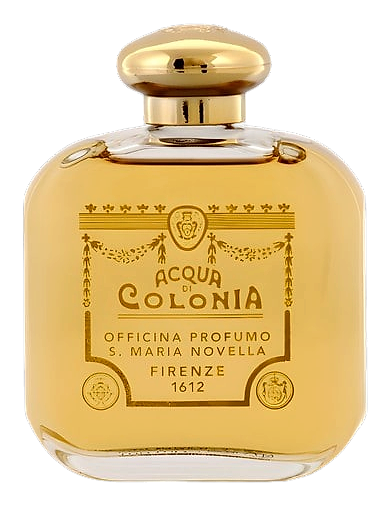
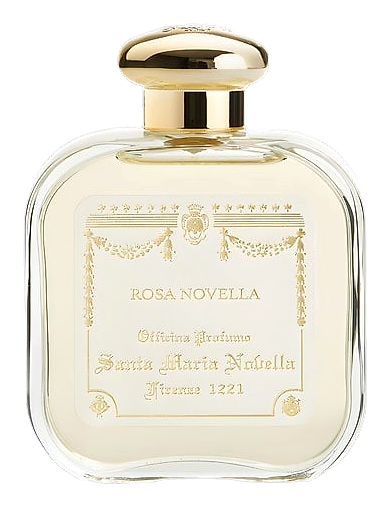
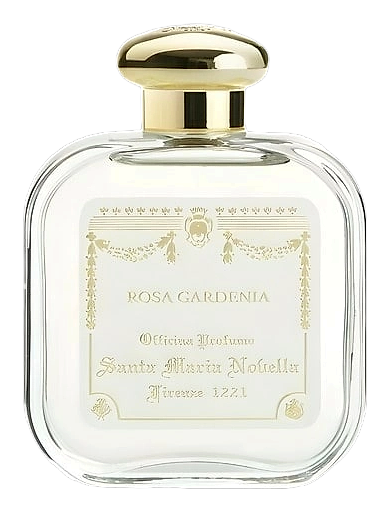
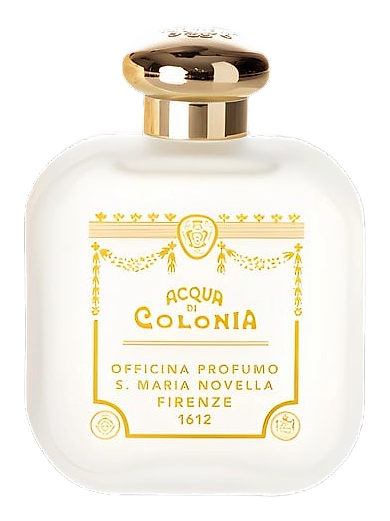
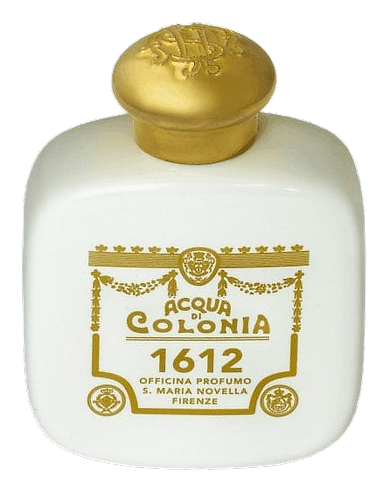
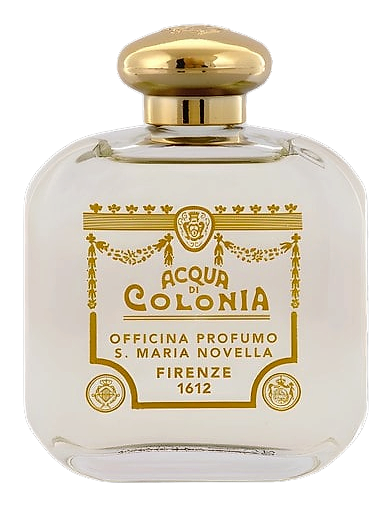
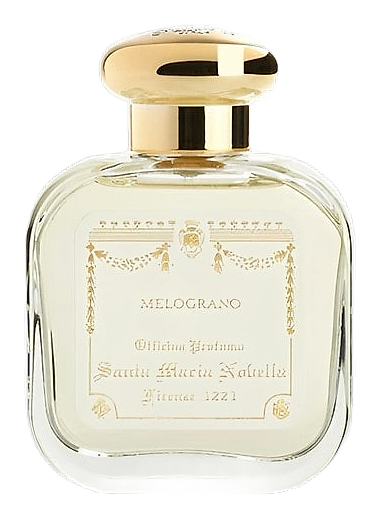
    The visual language of Santa Maria Novella reflects its archival roots. Bottles typically feature a clear glass body capped with a metal stopper stamped with the Officina’s shield, a design that first appeared on the 1828 Marescialla bottle and has been refined over two centuries. Labels employ a serif typeface reminiscent of 18th‑century Florentine manuscripts, printed on textured paper that mimics the feel of old parchment. The brand’s retail spaces retain original stone walls, wooden counters and wrought‑iron fixtures, creating a museum‑like atmosphere that reinforces the narrative of continuity. Packaging for limited editions often includes a vellum‑like booklet that reproduces excerpts from the pharmacy’s historic recipe books, allowing the buyer to read the original Latin descriptions of each ingredient. The color palette leans toward muted earth tones—terracotta, olive green and parchment beige—evoking the natural materials used in the original apothecary. This restrained aesthetic avoids flashiness, instead inviting the consumer to focus on the scent itself and the story it carries.

    Philosophy

    Santa Maria Novella approaches perfumery as a continuation of its original medicinal mission: to create scents that nurture the body and calm the mind. The house emphasizes transparency, publishing the botanical origins of each ingredient and the traditional extraction methods used. It values longevity, preferring ingredients that age gracefully, such as aged rose petals, aged citrus peels and natural resins. The brand also respects the environment, sourcing many raw materials from Tuscan farms that practice sustainable agriculture. Creative decisions arise from archival research; perfumers study centuries‑old notebooks to understand the balance of aromatics that early monks prized. Rather than chasing fleeting trends, the house seeks to translate historic recipes into forms that feel relevant today, allowing a modern wearer to experience a fragment of Renaissance Florence. This philosophy underpins every new launch, from the citrus‑forward Acqua di Colonia (originally 1533) to the herbaceous Nostalgia (2002), each framed as a sensory narrative rather than a mere product.

    Key Milestones

    1221

    Dominican friars establish the infirmary at Santa Maria Inter Vineas, laying the foundation for the Officina.

    1533

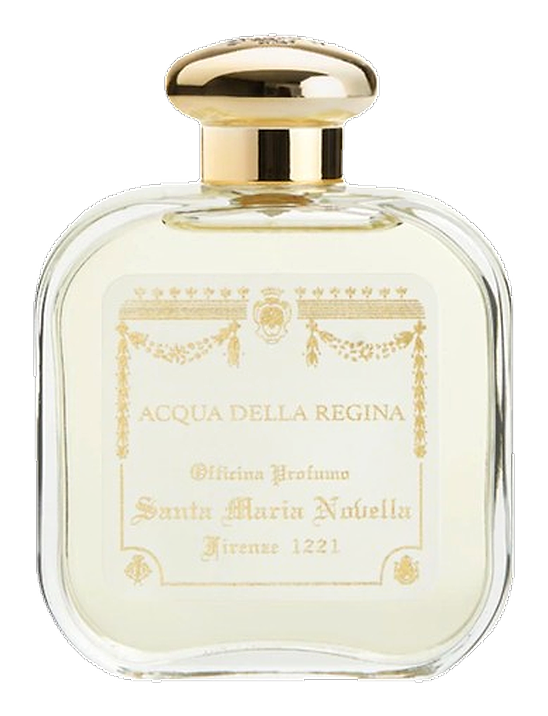
    Acqua della Regina is created for Catherine de' Medici, marking the pharmacy’s first celebrated fragrance.

    1828

    Marescialla launches, showcasing the brand’s ability to blend historical references with scent.

    1901

    Peau d'Espagne is introduced, becoming a staple in European luxury perfumery.

    1999

    Rosa is released, highlighting centifolia rose and modernizing the house’s floral portfolio.

    2014

    Cala Rossa debuts, reflecting a contemporary Mediterranean inspiration while using traditional extraction methods.

    At a Glance

    Brand profile snapshot

    Origin

    Italy

    Founded

    1221

    Heritage

    805

    Years active

    Collection

    1

    Fragrances released

    Avg Rating

    4.2

    Community sentiment

    Release Rhythm

    2024
    3
    2023
    3
    2022
    1
    2020
    2
    2017
    1
    2015
    1
    2014
    1
    2012
    3
    santamariavelle.it

    Did You Know?

    Interesting Facts

    Distinctive details and defining moments that shape the house personality.

    01

    The original pharmacy still houses a 14th‑century copper alembic used for distilling essential oils.

    02

    Acqua di Colonia, attributed to 1533, predates the more famous Eau de Cologne by several decades.

    03

    The Officina’s archives contain handwritten recipes in Latin, some of which have never been published outside the workshop.

    04

    Santa Maria Novella supplies scented soaps to the Vatican Museum, a relationship that began in the early 1900s.

    The Artisans

    The Perfumers