The Story
Why it exists.
The beginning
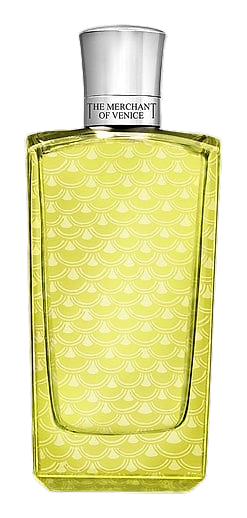
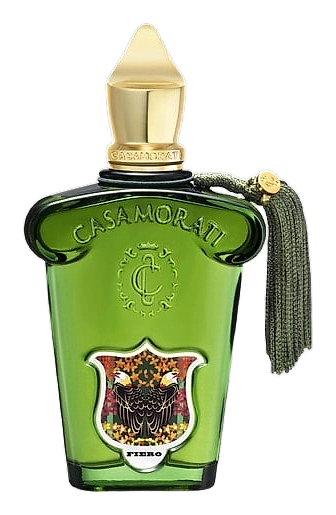
Chris Maurice designed Fiero in 2010 as an assertion of Italian aromatic tradition, not a polite nod to citrus, but a full-throated argument for it. The name itself carries weight in Italian: proud, fierce, unapologetic. Maurice reached for the herbs that define Mediterranean landscapes, tarragon from Provence, thyme with its ancient associations, and built them against a citrus foundation sharp enough to cut. The intent was a fragrance for someone who wants the heat of an Italian afternoon captured in a bottle, without the sweetness that often comes with it.
What makes Fiero work is the structural honesty of its pyramid. The top doesn't just introduce, it declares. Lemongrass isn't a supporting player here; it's the main character for the first twenty minutes, aggressive and green and unmissable. The transition to tarragon and thyme is abrupt by design, a shift in register rather than a gradual blend. That dissonance is what separates Fiero from the safe citrus-aromatic crowd. The base, with Mysore sandalwood and vetiver, doesn't try to smooth what came before; it simply adds a different kind of weight. Coumarin threads through the drydown like a memory of the opening, never quite letting go.
The evolution
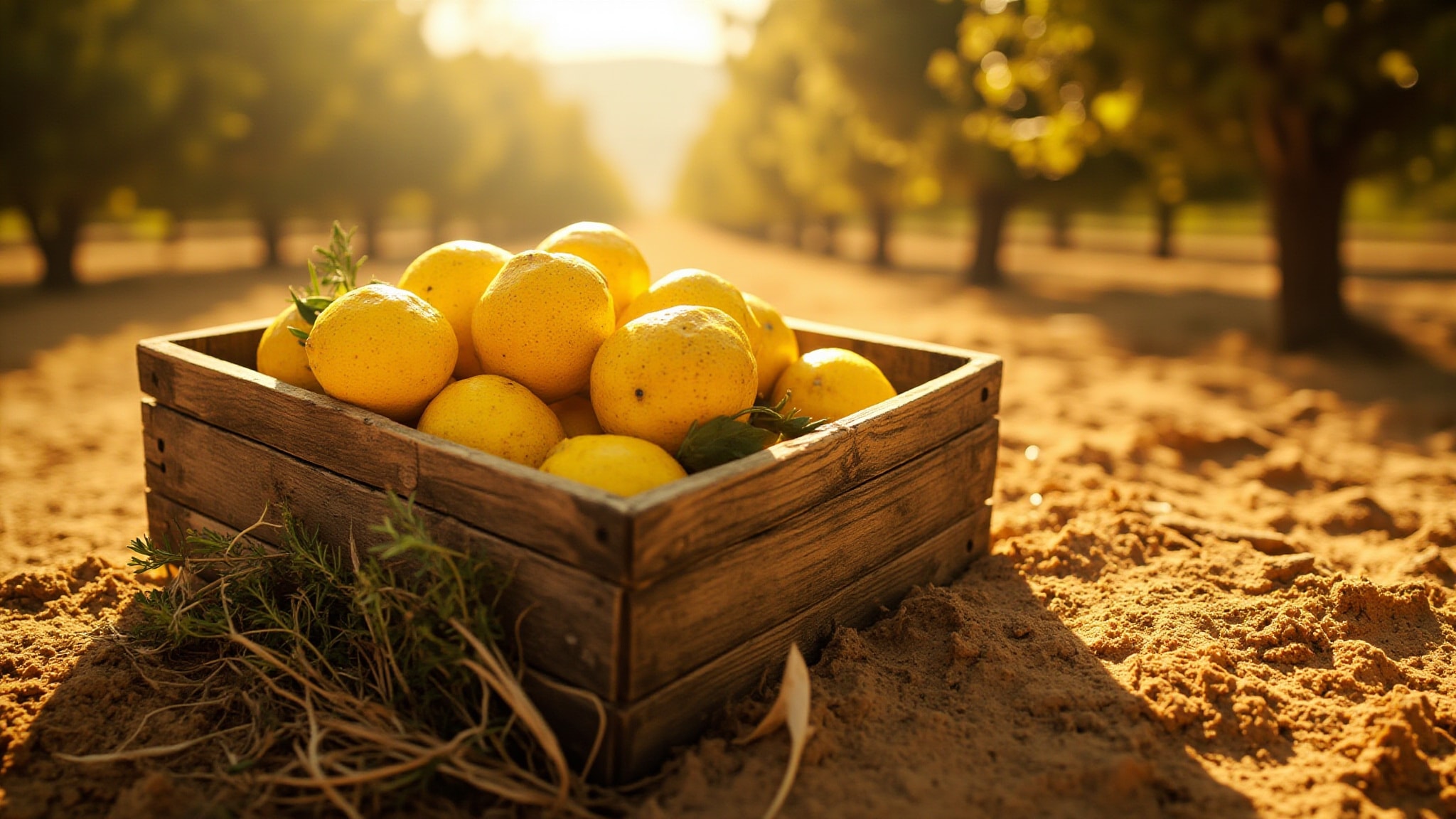
The first hour is all citrus, all the time. Bergamot, lemon, blood orange, lemongrass, all of them compete at full volume. This is the polarizing stretch. Some wearers describe it as bracing; others reach for the word sharp, bordering on sour candy. It doesn't linger in this phase, within sixty to ninety minutes, the herbs take over. Thyme and tarragon arrive in sequence, not simultaneously, and the fragrance shifts from something aggressive to something aromatic and complex. Neroli appears briefly, adding a faint floral note that cuts the herbal bitterness. By hour three, the woody base begins to emerge, vetiver first, then Mysore sandalwood, finally patchouli with its earthy depth. The drydown holds for another five to seven hours, occasionally revealing traces of coumarin on fabric or skin the next morning. On drier skin types, the progression accelerates, the citrus shortens, the herbs arrive faster, the woody base arrives by hour two rather than three.
Cultural impact
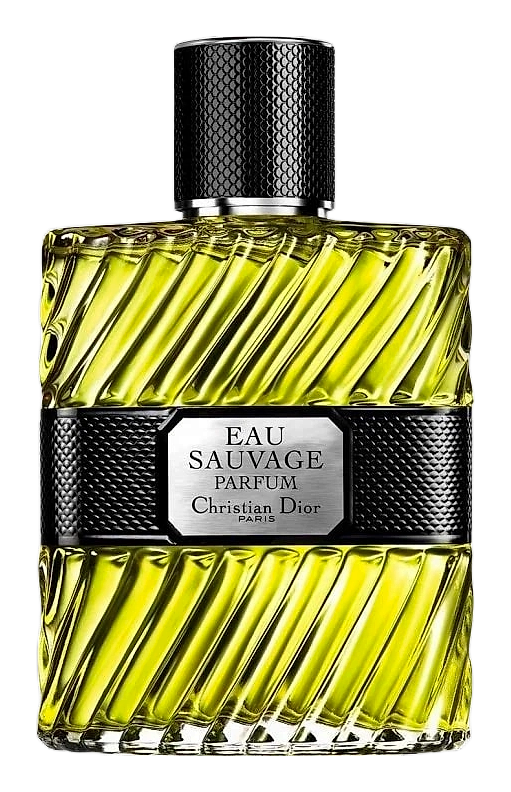
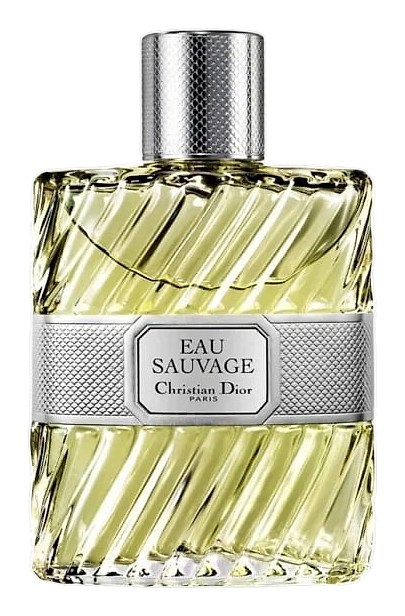
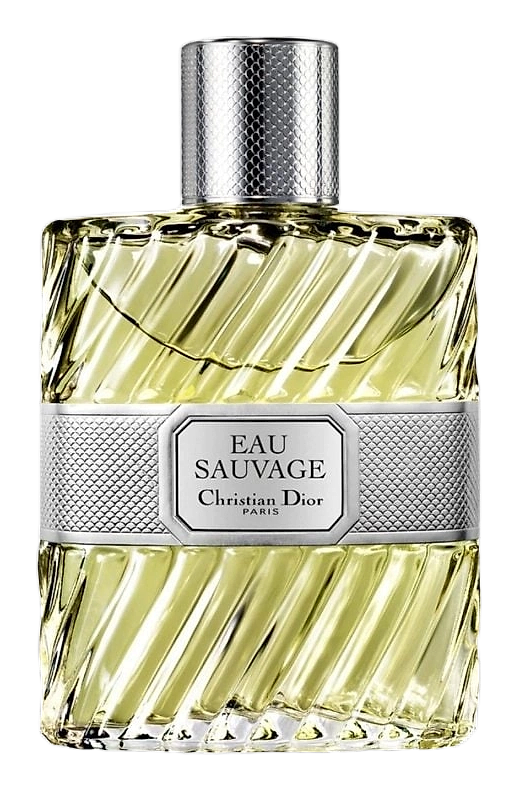
Fiero occupies a specific position in the landscape of masculine citrus-aromatic fragrances: the barbershop reference that doesn't apologize for it. Community reviews draw frequent comparisons to vintage Dior Eau Sauvage, high praise in masculine perfumery circles, suggesting that Fiero successfully channels a certain Italian perfumery tradition of sharp, herbal, unapologetically masculine freshness. Enthusiasts regard it as a fragrance that functions as intended: present without overwhelming, lasting without becoming cloying, earning a loyal following among those seeking refined, understated freshness.