
The Story
Why it exists.
The beginning
Jacques Flori created Mefisto in 2009, the year Xerjoff revived the historic Casamorati house of Bologna. Founded in 1888, Casamorati represented an era of Italian perfumery that valued craftsmanship and bold character. Flori aimed to capture that heritage while building something modern. The citrus-lavender structure he chose was deliberate, a framework that honors classic masculine fragrance traditions without becoming a mere retread of them. Grapefruit and bergamot provide the initial spark, but the addition of iris and sandalwood signals that this is not a simple aromatics fragrance. The choice to anchor everything in warm woods and musk reflects the house's commitment to longevity and presence.
The note selection in Mefisto reflects a specific philosophy about masculine elegance. Citrus opens the fragrance because it communicates freshness and confidence, immediate qualities that grab attention. Lavender serves as the bridge, connecting that initial brightness to something more complex and enduring. Iris adds an element of refinement that elevates the entire composition, preventing it from feeling merely functional. The drydown of musk, sandalwood, cedarwood, and amber represents the payoff, the reward for patience. These materials share a warmth and creaminess that make the fragrance feel intimate without being heavy.
The evolution
Mefisto begins as a citrus festival, with grapefruit leading the charge followed by supporting lemon and bergamot. This bright opening lasts roughly fifteen minutes before the aromatic heart asserts itself. Lavender becomes the primary voice, cool and slightly medicinal, while iris adds its characteristic powdery softness. Rose exists here as a quiet counterweight, preventing the lavender from feeling too austere. As time passes, the fragrance enters its final phase. Musk appears first, smoothing out the composition, then sandalwood brings creamy warmth. Cedarwood and amber complete the picture, creating a woody, slightly sweet base that lingers comfortably for hours. This evolution from bright citrus to cool lavender to warm wood is seamless, each phase flowing naturally into the next.
Cultural impact
Casamorati 1888 represents a revival of classical Italian perfumery traditions, with the brand originally established in Bologna during the late 19th century. The name Mefisto carries literary weight, evoking the Faustian pact and the tension between light and shadow. In contemporary Italian fragrance culture, this scent bridges traditional masculine elegance with modern fresh interpretations. The revival of the Casamorati name reflects a broader trend of rediscovering Italian perfume houses, connecting modern wearers to a pre-war era of artisanal Italian perfumery. Its citrus-herbal composition pays homage to the fougère family while maintaining distinctively Italian character.
The House
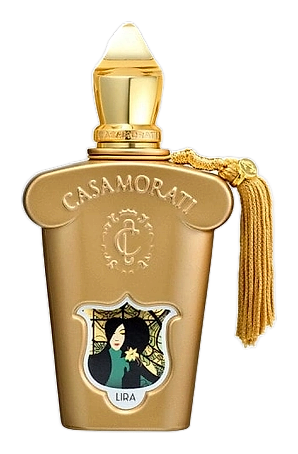
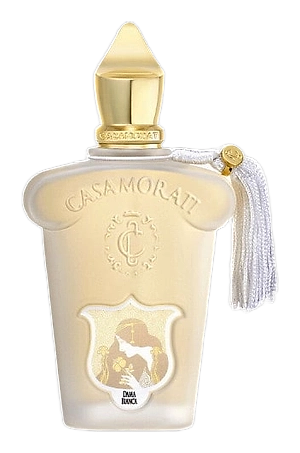
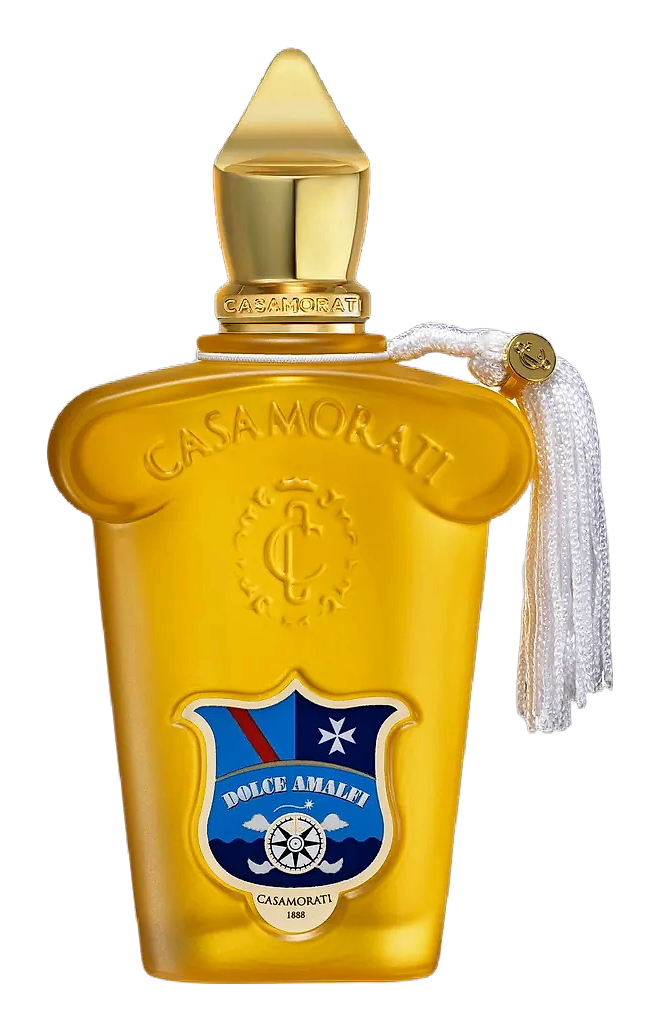
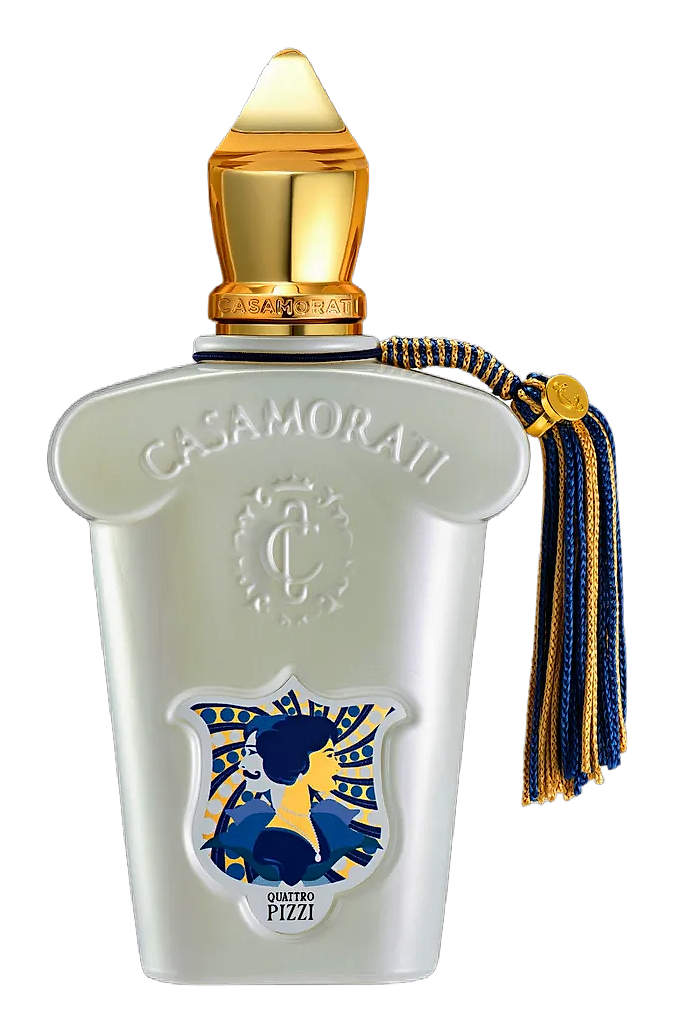
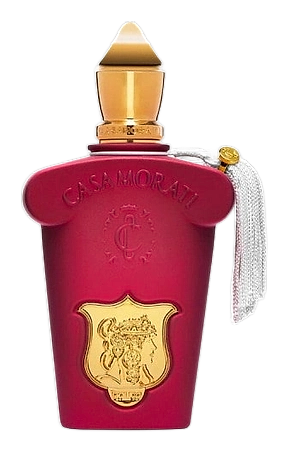
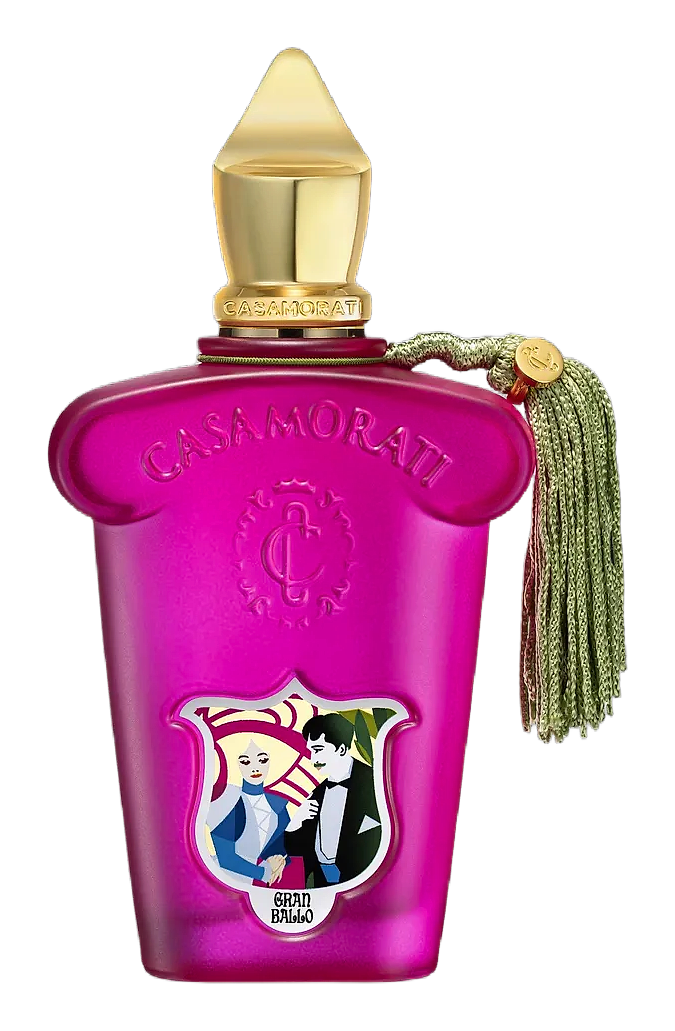
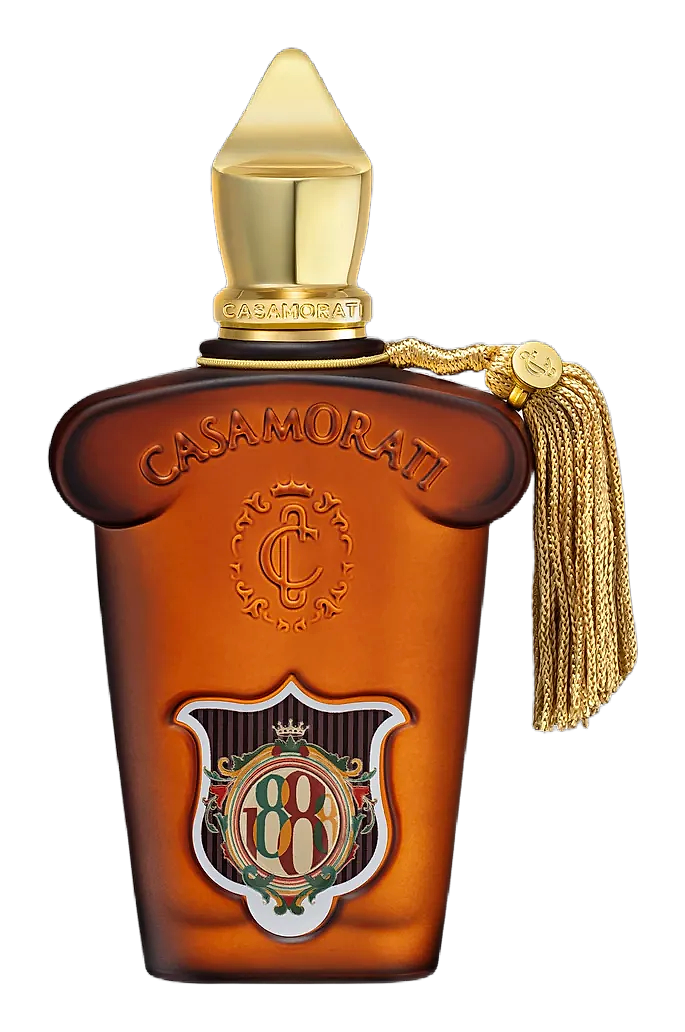
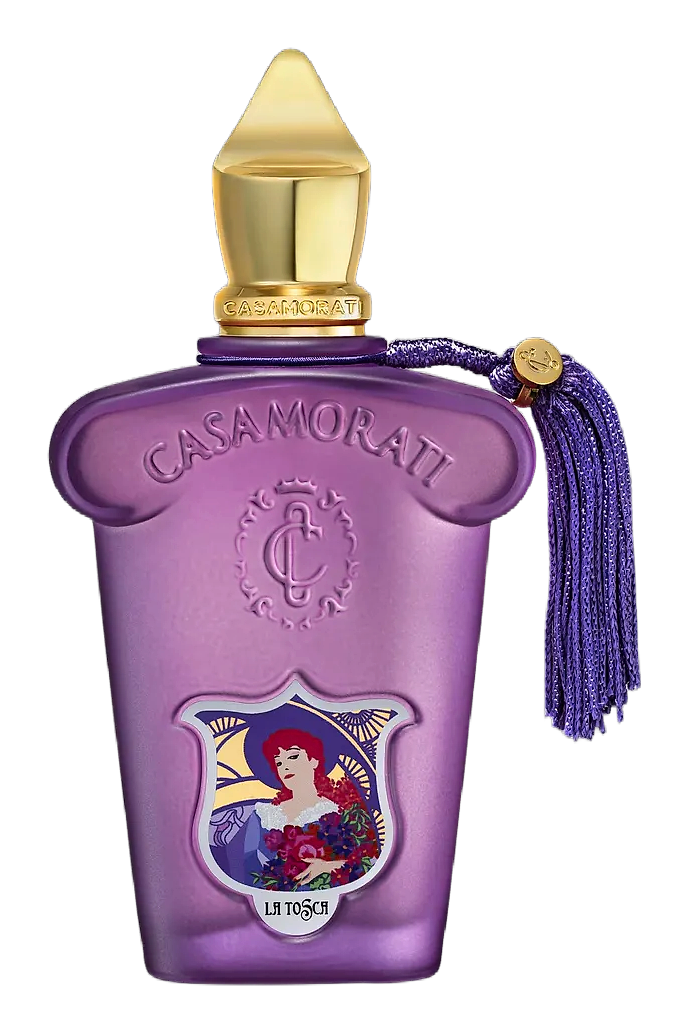
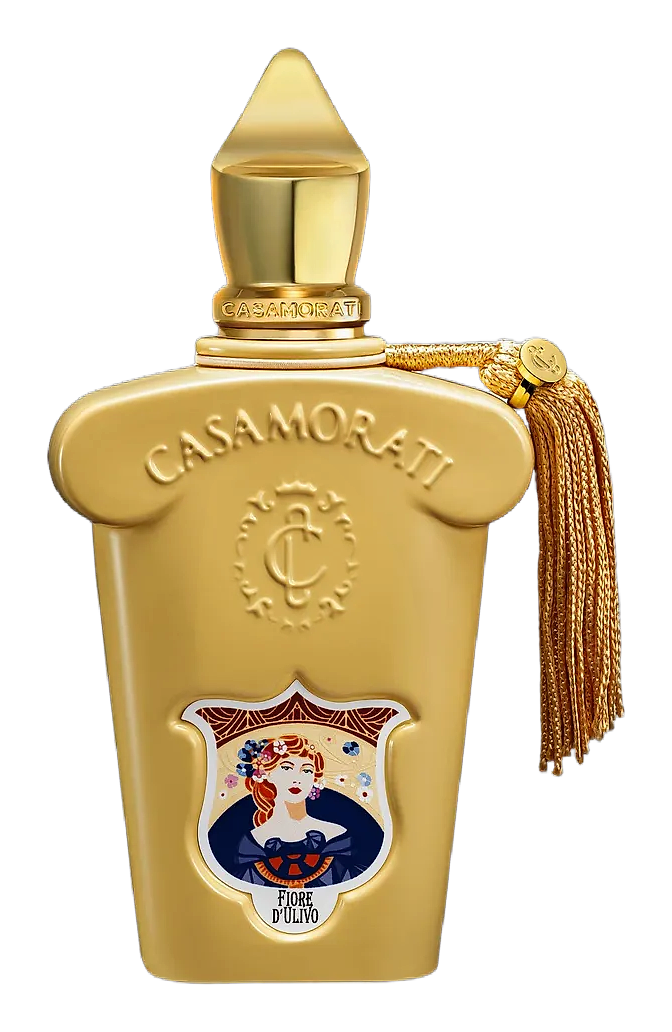
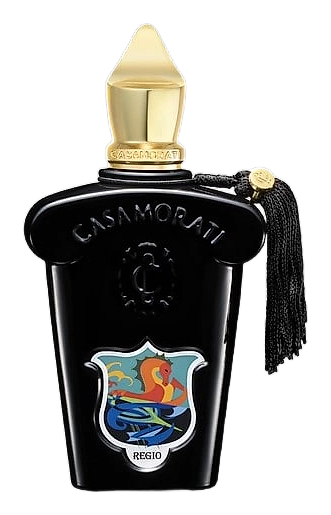
Casamorati 1888Casamorati traces its roots to 19th-century Bologna, where Claudio Casamorati established his perfume factory and registered the iconic double-C trademark on 17 April 1888. The house gained international recognition for its scented soaps and fine fragrances before disappearing from the market for over six decades. Xerjoff acquired the rights in 2009, reviving the collection under the direction of founder Sergio Momo. The brand draws inspiration from Art Nouveau aesthetics and the golden age of Italian perfumery, presenting fragrances that evoke a classical, oriental sensibility through warm spices, florals, and precious woods. Each scent carries the visual identity of the original house, with flacons and insignia preserved from the 1888 foundation. Notable releases include Lira (2011), a gourmand composition built around vanilla and caramel, and Dama Bianca (2012), a white floral with kumquat and vanilla. The brand maintains a curated collection that spans aromatic, oriental, and floral olfactory directions, reflecting its commitment to historical Italian craft.
The Creator
Jacques FloriFlori built his reputation on complex incense compositions, demonstrating a particular affinity for resins, woods, and aromatic woods that carry smoke and sacred weight. His technical background expresses itself in precise layering and meticulous longevity engineering.