Orange leaf absolute
Orange leaf absolute captures the bitter-green soul of the bitter orange tree in concentrated form. Unlike its floral and fruit counterparts, this material delivers an intensely aromatic, herbaceous profile that perfumers rely on for depth and authenticity in citrus compositions.
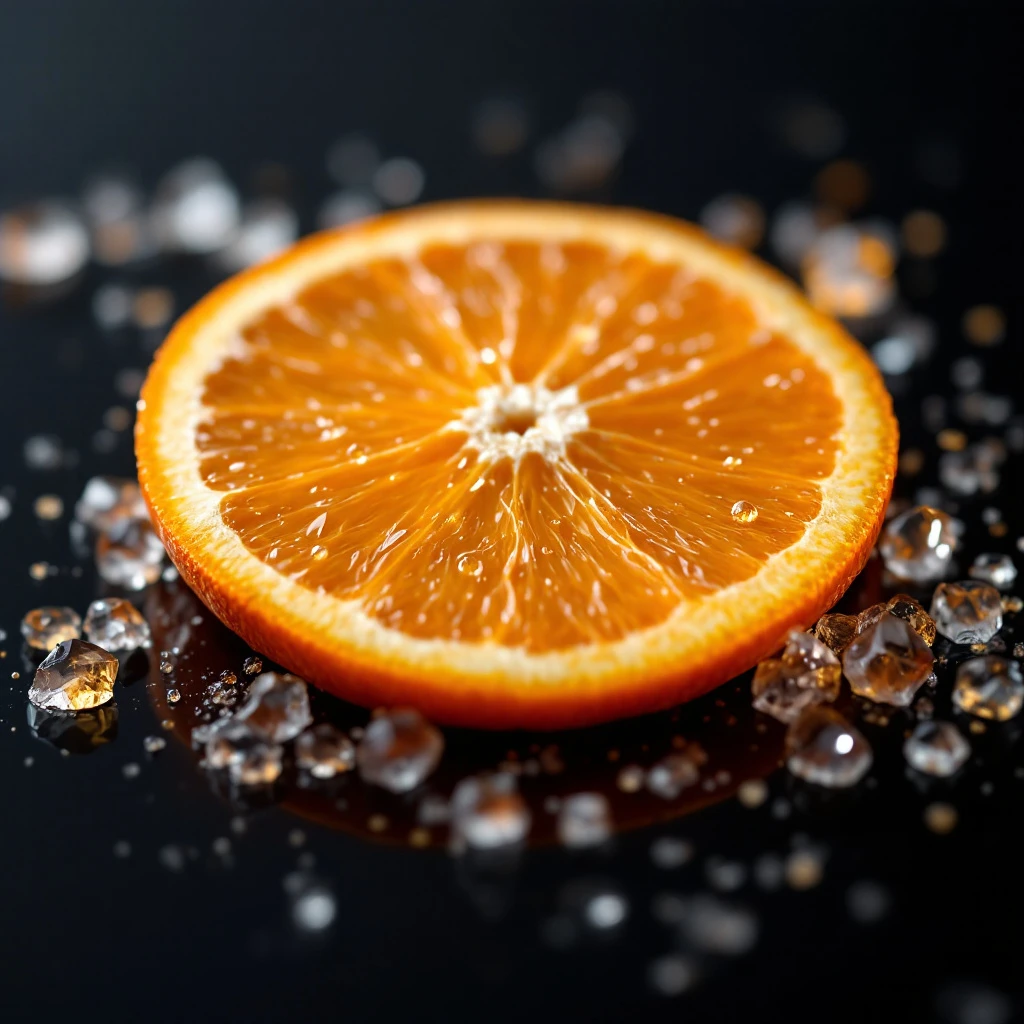
Character
How it smells
The bitter-green essence of the orange tree's foliage.
One metric ton of bitter orange leaves yields only 200 to 300 grams of petitgrain essential oil, making leaf-derived absolutes among the more labor-intensive citrus materials in perfumery.
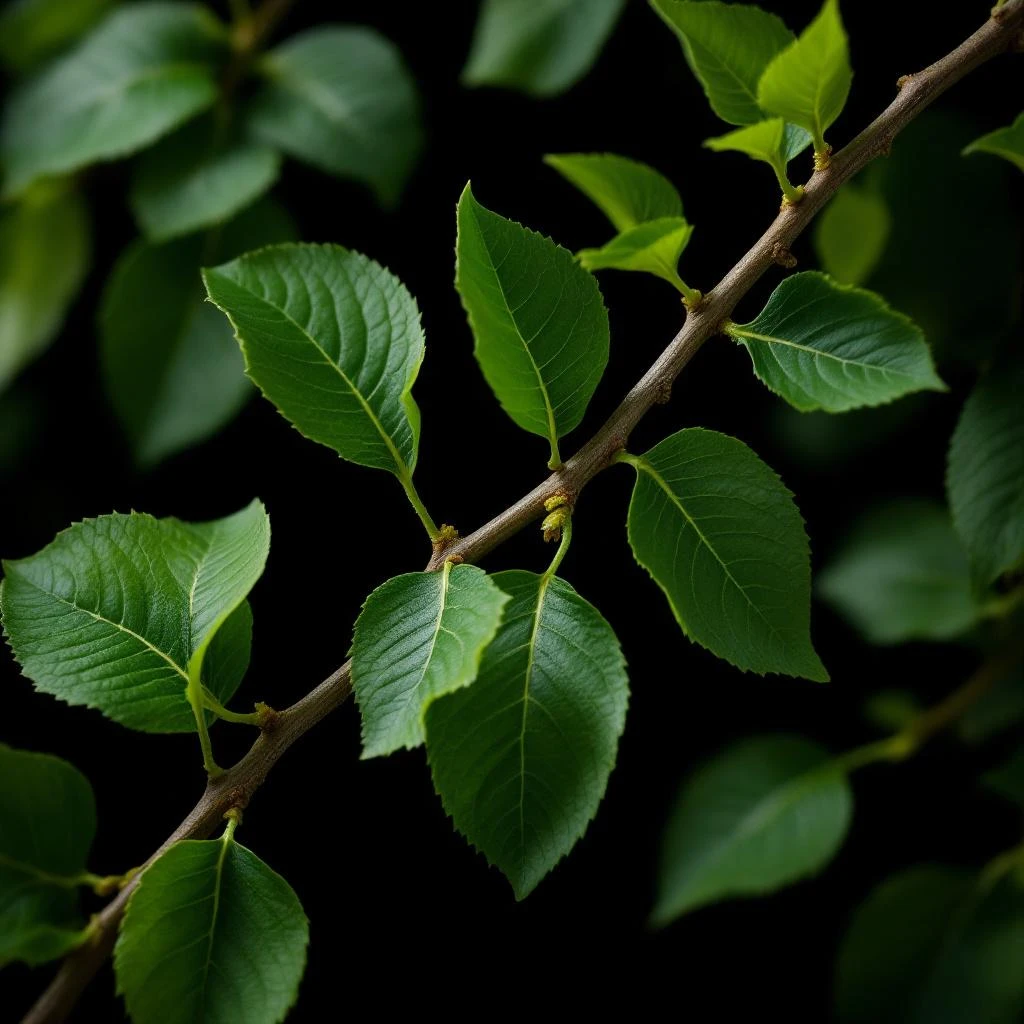



Origin
Paraguay
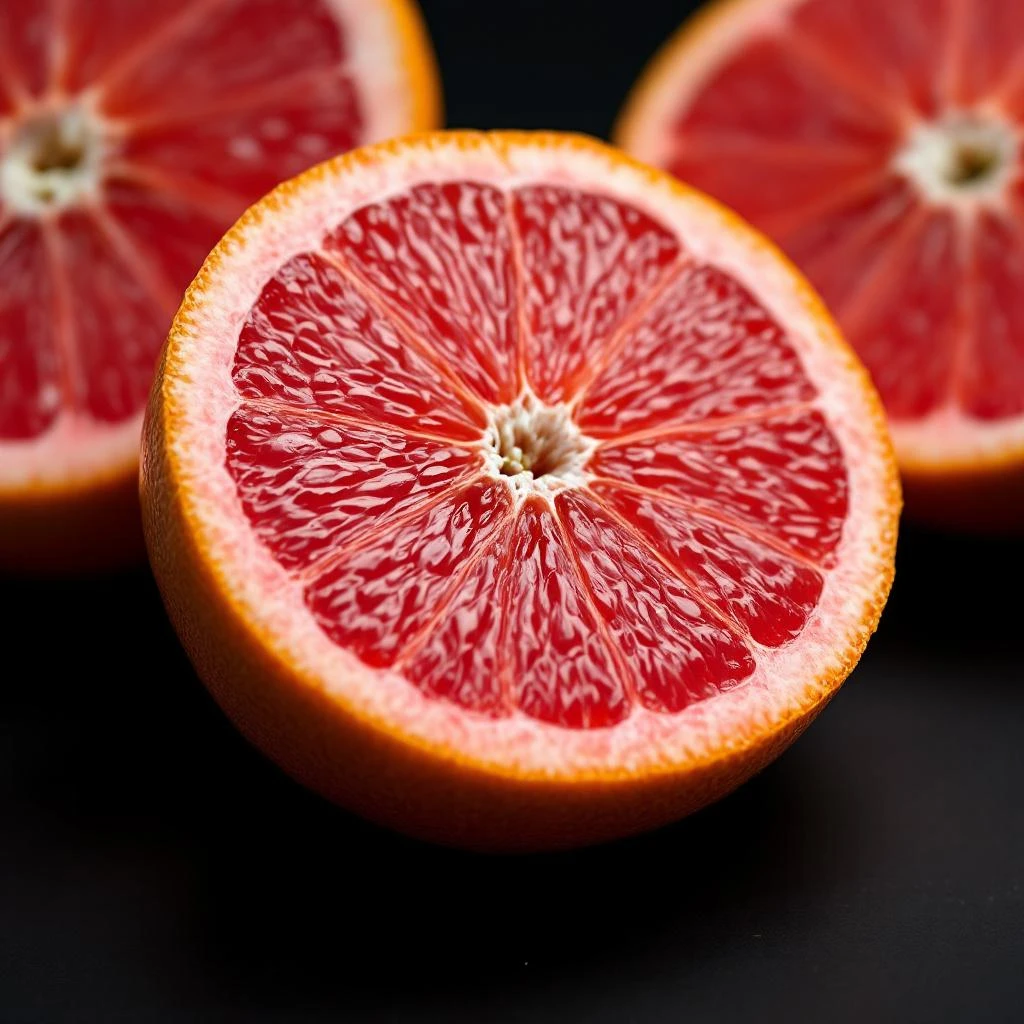
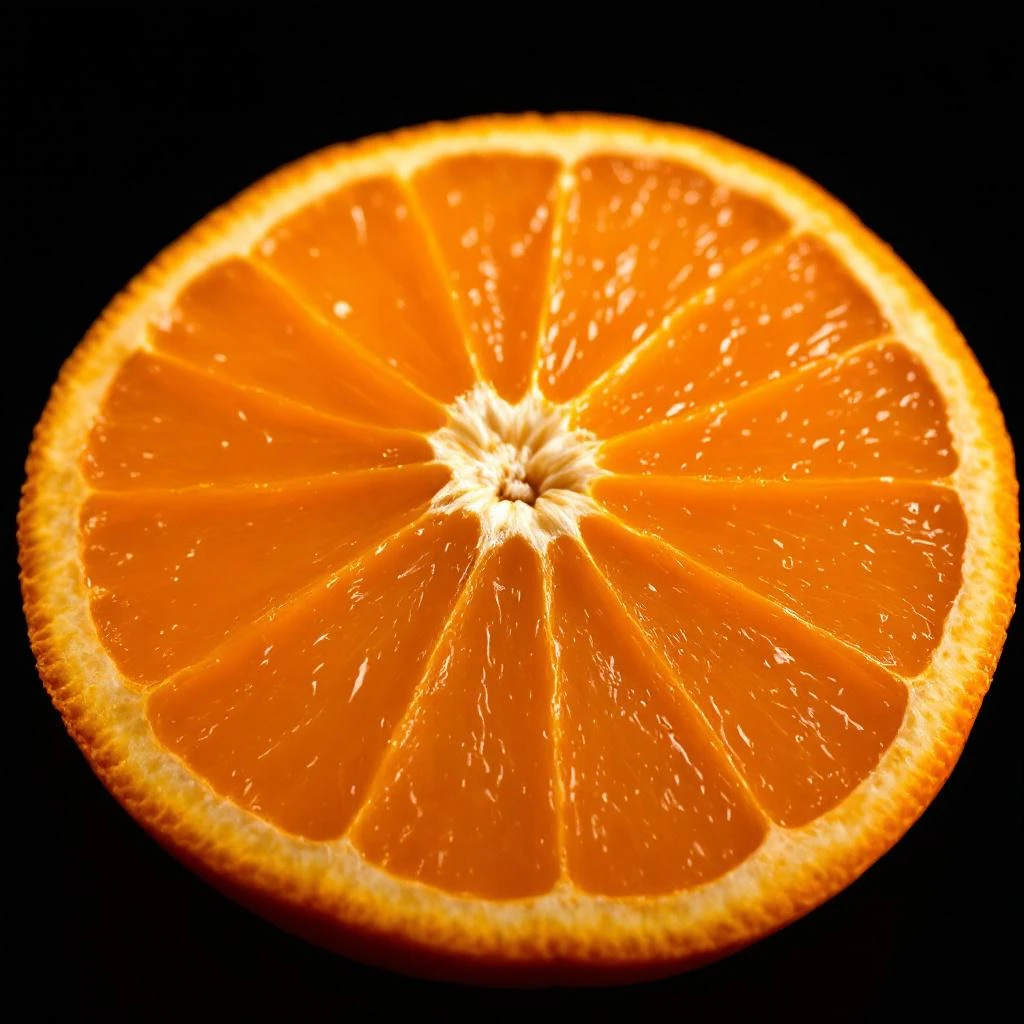
The bitter orange tree (Citrus aurantium) has been central to European perfumery since the early 19th century, when French cultivators in the Provence and Grasse regions began systematically growing the tree to supply the nascent fragrance industry. While orange blossom and neroli captured most of the historical spotlight, the use of leaves to produce petitgrain oil dates back at least to the early 1800s in France. By the mid-19th century, Grasse had established itself as the world's primary processing hub for bitter orange-derived materials, producing petitgrain, neroli, and orange blossom absolute from the same tree.
French production of orange blossom materials began declining roughly fifty years after the industry took root, and cultivation gradually shifted toward Mediterranean and South American regions. Paraguay became a leading producer of petitgrain bigarade oil by the 20th century, and the material found new life as perfumers in the late 20th century increasingly sought green, bitter notes to create more complex, naturalistic citrus fragrances.
Wears it best
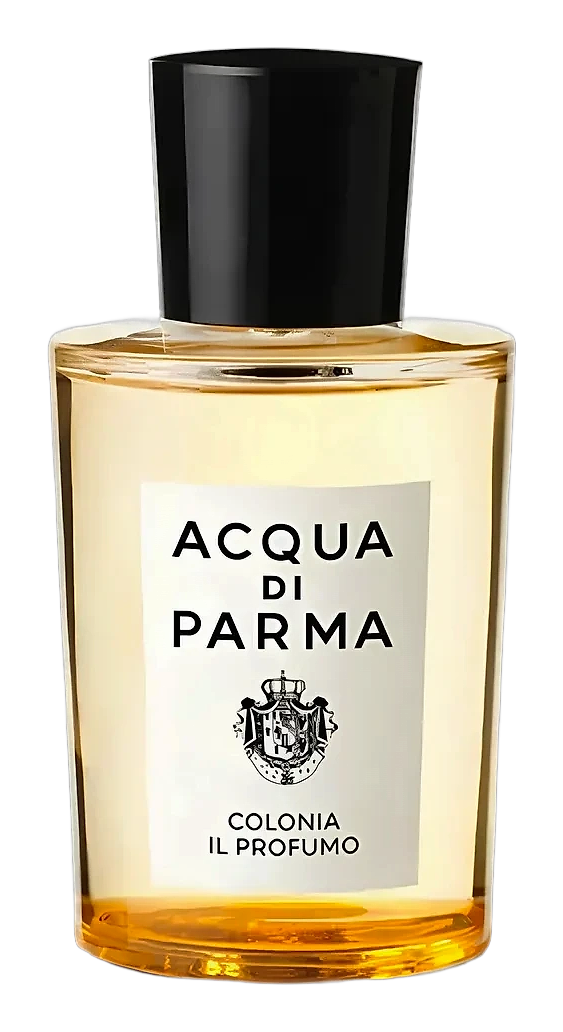
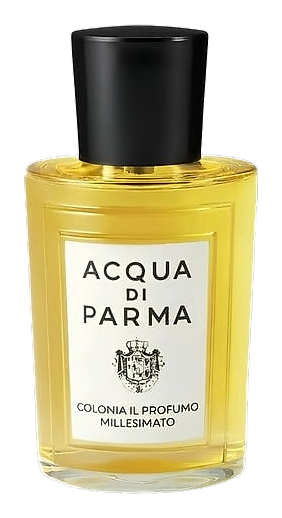
Fragrances featuring Orange leaf absolute
Brands
Brands known for Orange leaf absolute
Good to know
Questions, answered
The essentials on Orange leaf absolute in perfumery: how it smells, where it comes from, and how it behaves on skin.
What is orange leaf absolute?
Orange leaf absolute is a highly concentrated aromatic material extracted from the leaves and twigs of the bitter orange tree (Citrus aurantium) using solvent extraction, producing a bitter-green, herbaceous material distinct from orange blossom or fruit peel materials.
How does orange leaf absolute differ from orange blossom absolute?
Orange blossom absolute comes from the flowers and uses solvent extraction to capture floral, slightly indolic notes. Orange leaf absolute comes from the foliage and carries a much sharper, greener, and more bitter scent profile with significantly less sweetness.
What does orange leaf absolute smell like?
The material presents a bitter-green, fresh, and slightly medicinal aroma with herbal and woody undertones. It carries a raw, leafy quality that evokes crushed citrus foliage rather than fruit or blossom.
Which extraction method produces orange leaf absolute?
Solvent extraction is the standard method. Hydrocarbon solvents dissolve aromatic compounds from the fresh or slightly dried leaves and twigs, then the solvent is removed under vacuum to yield a thick, aromatic absolute.
Where is bitter orange for perfumery primarily grown?
Paraguay is the leading producer of bitter orange leaf material for perfumery. Southern France was the historical center from the early 1800s through the mid-19th century before production shifted geographically.
What is the connection between petitgrain and orange leaf absolute?
Petitgrain bigarade is the essential oil produced from bitter orange leaves, twigs, and unripe fruits via steam distillation. The absolute produced by solvent extraction from the same parts carries the same botanical source but with a richer, more complex green character.
What notes pair well with orange leaf absolute in fragrance?
Bitter green, citrus, floral, and woody materials pair naturally with orange leaf absolute. Jasmine, neroli, petitgrain, vetiver, and cedarwood commonly appear alongside it in fine fragrance compositions.
Is orange leaf absolute used in both men's and women's fragrances?
Yes. The material's versatility allows it to function as a top-note modifier in masculine citrus blends and as a green, slightly bitter heart-note component in more unisex or feminine florals.