Aimé Guerlain
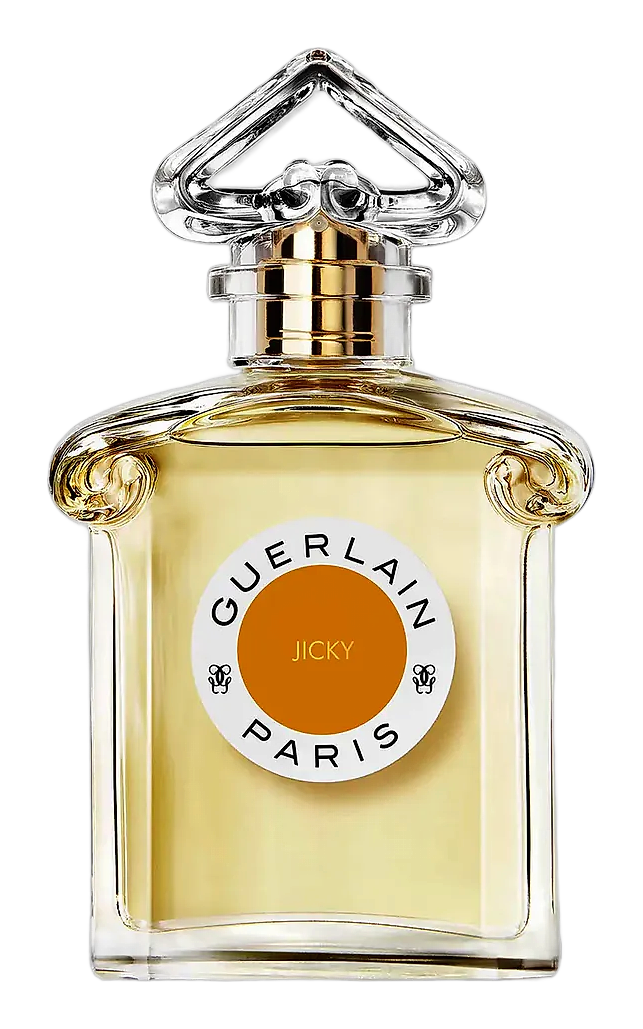
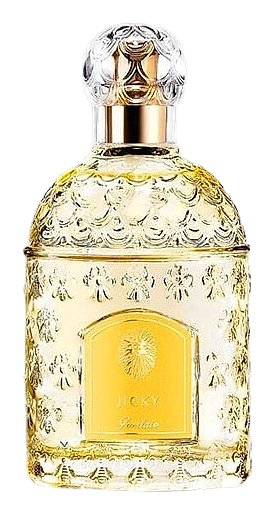
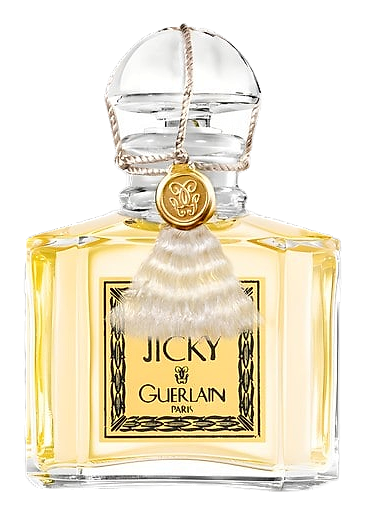
Born in 1834, Aimé Guerlain inherited more than a family business when he took the helm of Guerlain in 1864. He inherited a small Parisian perfumery and transformed it into the gold standard of French fragrance. Trained in the family's apothecary roots, he brought scientific precision alongside an artist's intuition to his compositions. His breakthrough arrived in 1889 with the launch of Jicky, a fragrance so revolutionary it shattered conventions by marrying the crispness of herbs and citrus with the animal warmth of civet and the sweet creaminess of vanilla. Critics called it the first modern perfume. History agrees.
The hits
Notable creations

The signature
How Aimé composes
Aimé's signatures included the masterful marriage of natural and synthetic materials, a technique considered radical at the time. He favored contrasts: bright citrus top notes anchored by warm, animalic bases. His use of vanillin and coumarin alongside traditional naturals created depth previously unheard of. The Guerlain aldehydic richness, the roundness that would define generations of house fragrances, traces directly to Aimé's pioneering hand.
Philosophy
What drives Aimé
Aimé viewed perfume not as simple fragrance but as living narrative. Each composition, he believed, should unfold like a story across the skin, revealing new chapters as the hours pass. He pursued emotional truth in his work, seeking scents that stirred memory and imagination rather than merely pleasing the nose. Luxury, for Aimé, meant restraint married to richness: compositions where every ingredient earned its place.
The houses
Maisons Aimé composes for
In the same league