The Story
Why it exists.
The beginning
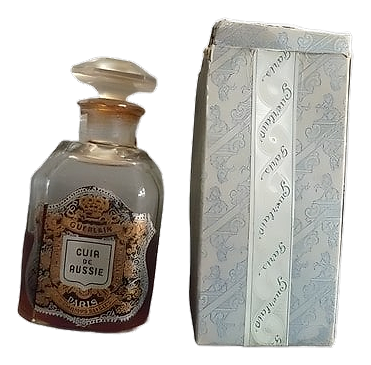
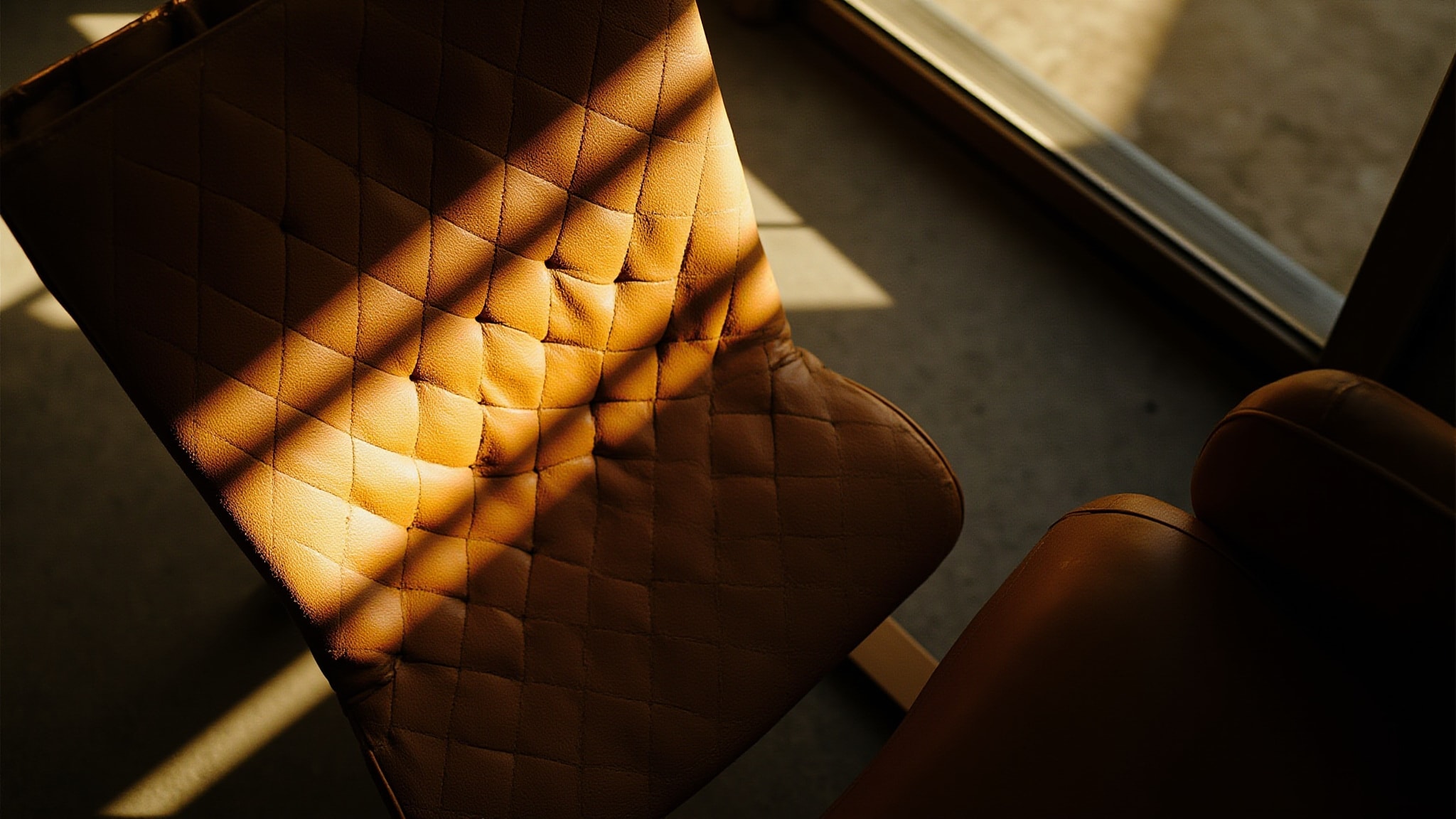
In 1872, Aimé Guerlain reached for something specific: the leather of imperial Russia, softened by age and powder. Not horsehide bridles or cavalry saddles, the supple gloves, the worn armchair in a winter study, leather that had absorbed decades of skin. He built Cuir de Russie around that contradiction: sharp herbs first, then the warm, animalic truth underneath. Jacques Guerlain returned to it in 1935, tightening the structure without losing the soul. The fragrance has been exhibited in the Hall of Mirrors at Maison Guerlain since 2014, not as a relic, but as proof that some ideas don't need updating.
What makes Cuir de Russie unusual is the direction of its leather note. Most leather fragrances announce themselves immediately, tar, smoke, birch bark, the smell of the tannery itself. Here, the leather arrives last, after the powder and the resins have softened everything. The iris doesn't compete with the leather; it precedes it, prepares the skin for what comes next. Civet does the real work, musk without apology, the animalic warmth that makes the drydown feel inhabited rather than constructed. Oakmoss grounds it all in damp earth, the forest floor after rain.
The evolution
The opening is Guerlain's signature: lavender and rosemary, herb-garden freshness that could belong to any of their classical compositions. Rosemary is the tell here, slightly medicinal, slightly bitter, it separates this from sweeter lavender openers. Thyme follows, adding earth. For the first twenty minutes, this could be a fragrance called Herbes de Provence. Then the iris arrives. Powdery, violet-adjacent, it shifts the entire register from fresh to soft. The heart notes, benzoin, labdanum, styrax, add resin warmth without sweetness. Birch appears as a whisper of leather, a preview of what's coming. The drydown is where Cuir de Russie earns its name. Civet rises, musk deepens, oakmoss grounds everything in damp earth. The leather isn't a single note anymore, it's woven through the base, inseparable from the animalic warmth that lingers. On fabric, it lasts until the next day. On skin, 8-10 hours easily.
Cultural impact
Cuir de Russie's structure, powdery iris over animalic leather, remains a template that perfumers still reference. The reversal of expectations (leather that arrives last, not first) influenced how leather accords could be composed. It's been worn continuously since 1872, in various formulations, by people who understood that the best fragrances don't ask for attention.