The Story
Why it exists.
The beginning
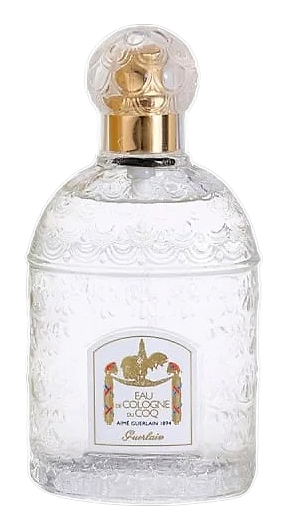
In 1894, Aimé Guerlain turned his attention to the cologne form. Not to reinvent it, but to ask what a cologne could be when you refused to treat it as an afterthought. The result was Eau de Cologne du Coq, a fragrance that held the form's essential brightness while layering it with an aromatic complexity uncommon in fresh compositions of the era. The name itself carries weight: du Coq, the rooster, an emblem of French countryside vitality and Parisian alertness combined. Guerlain designed it as a study in contrasts, the kind of fragrance that could be simultaneously reserved and appealing, fresh and warm. It entered the Les Colognes collection as something for the man who wanted refinement without announcement, citrus without thinness, a cologne that remembered it was still, at its heart, a Guerlain.
What makes Du Coq structurally interesting is how the heart and base resist the typical cologne trajectory. Where most colognes peak at opening and fade fast, here the lavender and jasmine arrive to sustain the composition through its middle phase, and the oakmoss-sandalwood base keeps the drydown from collapsing into nothing. Neroli does the heavy lifting at the top, but it's the patchouli sneaking into the heart that gives Du Coq its slight bitter edge, the thing that prevents it from smelling merely pleasant. The citruses open bright, yes, but the structure beneath them insists on holding.
The evolution
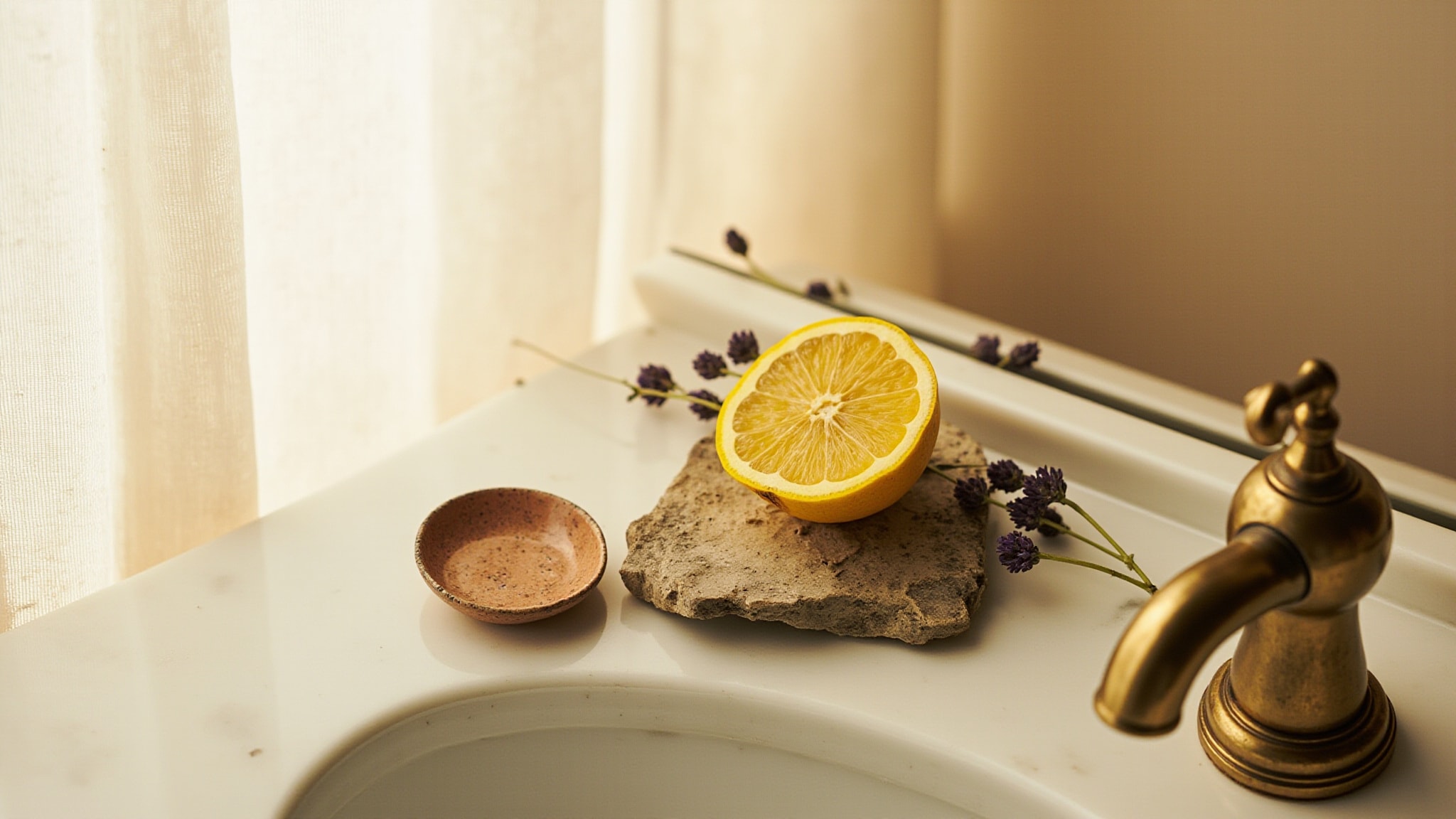
The opening is where Du Coq announces itself: neroli and bergamot arriving together, sharp and clean, with lemon and orange providing a citrussy chorus that reads more sophisticated than the average cologne. The orange blossom note (neroli is its distilled form) gives it a waxy, floral quality rather than a flat citrus one. Within twenty minutes the lavender begins to assert itself, shifting the fragrance from bright to almost green, herbal in a way that recalls the scent of lavender sachets in old drawers. The jasmine arrives quietly, not to overpower but to add a soft sweetness that tempers the lavender's edge. By the third hour the oakmoss has settled in, and this is where the fragrance earns its age: a mossy, slightly earthy drydown that feels warm and grounded, not heavy. Sandalwood extends the finish, adding a creaminess that lingers close to the skin. On most skin types the fragrance holds for three to four hours, with sillage that stays moderate throughout.
Cultural impact
Du Coq has outlasted trends that never had a chance. Still in production since 1894, it occupies a rare position: a fragrance both historically significant and genuinely wearable. For those who seek Guerlain's quieter compositions, Du Coq represents a direct line to the house's founding logic.