The Story
Why it exists.
The beginning
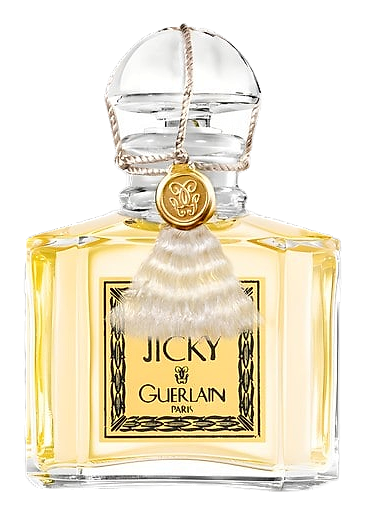
In 1889, Aimé Guerlain composed Jicky. It was a fragrance that wore both the cool, herbal structure of a French fougère and the warm, resinous depth of an oriental. The composition is one of the oldest in continuous production anywhere in the world, still recognizably itself after 135 years. Opening with bright citrus and aromatic rosemary, it shifts quickly into a heart where lavender and coumarin play against herbal and floral notes. The drydown reveals a warm oriental base where vanilla, benzoin, and tonka bean unfold slowly, their sweetness balanced by animalic undertones of civet and ambergris that cling close to the skin.
What makes Jicky's structure remarkable is the way it positioned lavender against a warm oriental base of vanilla, benzoin, and tonka bean. The fragrance also incorporated synthetic vanillin alongside natural ingredients. The result is a composition that reads as both ancient and modern, rooted in traditional French perfumery while quietly signaling where the industry was heading. The interplay between herbal lavender and sweet oriental base creates a tension that gives the fragrance its distinctive character, a back-and-forth between cool and warm that evolves throughout the wear.
The evolution
The opening hits first with citrus and rosemary. Bergamot and lemon lift the top while the herbal note from rosemary grounds it from the start. Within minutes, the heart takes over: cold orris root and vetiver shaded by rose and jasmine, cool and root-like. Then the base arrives. Vanilla and tonka bean build slowly, warm and powdery, as the cool heart fades. Civet and ambergris arrive late, adding an animalic depth that sits close to the skin. The drydown holds for hours, vanilla, leather, and something animalic that doesn't so much project as it clings. On skin, it becomes part of you, its warmth emerging gradually as the initial citrus brightness softens into the oriental foundation beneath.
Cultural impact
Jicky holds a specific place in fragrance history as one of the oldest continuously produced perfumes in the world, a living document of what the Guerlain house was building in 1889. Its structure influenced generations of perfumers who followed, finding in its combination of herbal and oriental elements a template they could adapt and reinterpret. The fragrance opens with citrus and rosemary, moves through a cool, root-shaded heart of orris and vetiver, and settles into a warm vanilla and tonka bean base with animalic undertones. That is the mark of a fragrance that became architecture.