The Story
Why it exists.
The beginning
Verbena had been common in perfumery for decades before Aimé Guerlain decided it deserved better. Not a supporting note. A protagonist. In 1890, he gave verbena its Guerlain moment, elevating it to the heart of the composition. The result was Eau de Verveine: a fragrance that announced herbaceousness as its own destination, not a bridge to something sweeter. The composition opens with the crisp, almost biting quality of crushed verbena leaves, the scent immediate and unapologetic. There's a tartness that prickles the senses, green and bright, followed by the herbal depth that lingers as the top notes settle. It's a fragrance that makes no concessions to softness.
What makes this structure unusual is the refusal to soften verbena's edges. The composition features verbena at its most assertive, with green notes at the center rather than serving as background. White pepper and clove provide supporting warmth, holding the herbal character accountable without overwhelming it. The drydown preserves these green notes, letting them linger slightly warmed but unmistakably themselves. The verbena remains the focal point throughout the development, its herbal personality intact from opening to final moments on the skin.
The evolution
The opening hits like crushed leaves, sharp, immediate, almost astringent. Bergamot and lime arrive moments later, brightening the green into something that reads as citrus first, herb second. Your first instinct might be that this will fade fast. It doesn't. The white pepper begins to show, threading through the verbena like a quiet complication. The cloves take longer, their warmth building as the fragrance develops. By the second hour, the fragrance has settled into its middle register: green and spicy, herbal and warm, neither fresh-squeezed nor heavy. It stays there. Moderate sillage means it lives close to the skin, the kind of presence that someone standing beside you notices, not the whole room. The drydown offers a quiet, slightly powdery green that holds traces of the verbena for hours.
Cultural impact
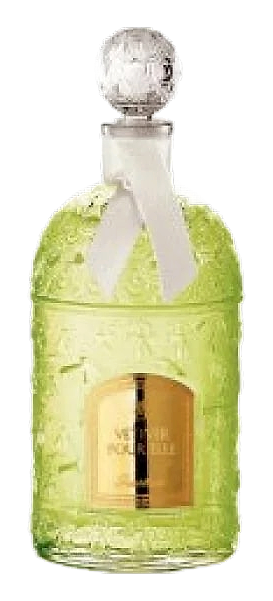
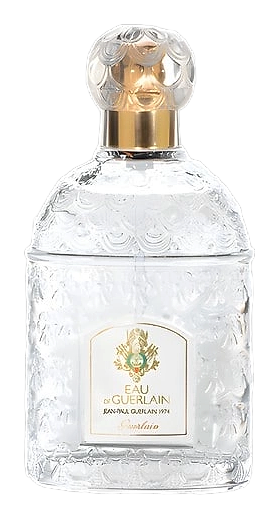
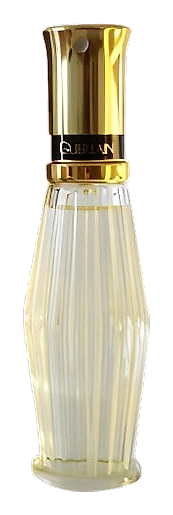
Eau de Verveine spent decades in the Guerlain catalogue before quietly discontinuing, re-emerging briefly in the 1960s in the iconic Abeilles bottle, then vanishing again. It's a composition from its era that maintains its distinctive character without apology. The fragrance assumes you already understand the appeal of verbena taken seriously, of an herbal note given the space to speak for itself rather than serve as background. For those who encounter it, the experience is one of discovery: here is something that smells exactly like what it claims to be, herbaceous and concentrated and unashamedly itself.