
The Story
Why it exists.
The beginning
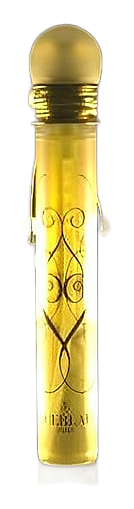
Philtre d'Amour arrived in 2000. The name means love potion in French, a reference to something that works beneath the surface, changing what you expected. Guerlain had spent decades building fragrances that felt inevitable, and this one continued that tradition while subverting it. The citrus opening was aggressive, almost sour, like biting into a lemon leaf rather than a lemon fruit. The verbena cut through with a sharpness that felt almost astringent, demanding attention before it softened slightly. But underneath that brightness, something darker waited. The love potion didn't just attract, it complicated. That tension became the fragrance's identity, and why it found its audience despite, or because of, never being the easiest wear.
The bright verbena combined with dark myrrh creates a tension between contrasting elements. This isn't a fragrance that announces itself in the opening and retreats. The citrus stays for the first hour, then slowly gives way to something more complex, neroli's bitter warmth, jasmine's indolic creaminess, the woody-green of petitgrain. What remains is patchouli's earthy darkness, and that's the tell. Most citrus fragrances soften as they dry.
The evolution
The opening arrives fast and doesn't wait for permission. Lemon verbena, bergamot, and a sharp green acidity that feels like crushed leaves rather than perfume. It's concentrated, almost sour, the kind of citrus that makes you lean in rather than pull back. The bergamot adds a floralCitrus dimension beneath the brightness, keeping everything slightly bitter. Twenty minutes in, the verbena begins to recede, not disappearing, but softening as warmer notes emerge. Jasmine arrives with its characteristic indolic sweetness, creaminess that tempers the acidity. Neroli follows, adding bitter-orange blossom warmth that feels both fresh and intimate. Petitgrain grounds the florals with its woody-green character. The myrrh begins to show itself, faint but present, an aromatic-resinous depth that adds mystery rather than weight. By the second hour, the citrus has largely left the building. Patchouli takes over completely, dark, earthy, slightly green. The florals linger beneath, warm and close. This is where Philtre d'Amour proves its point.
Cultural impact
Philtre d'Amour arrived during a period when Guerlain continued exploring compositions that surprised rather than satisfied. The fragrance appeals to wearers who preferred complexity over comfort, who wanted something that changed rather than simply stayed. The love potion reference in the name captures its nature: it works beneath expectations. Discontinued production added to its appeal. Those who found it tend to keep it, drawn back by that initial surprise of brightness giving way to darkness. It's become a collector's fragrance, not for rarity alone, but for what it represents: Guerlain making something uncompromising.