The Story
Why it exists.
The beginning
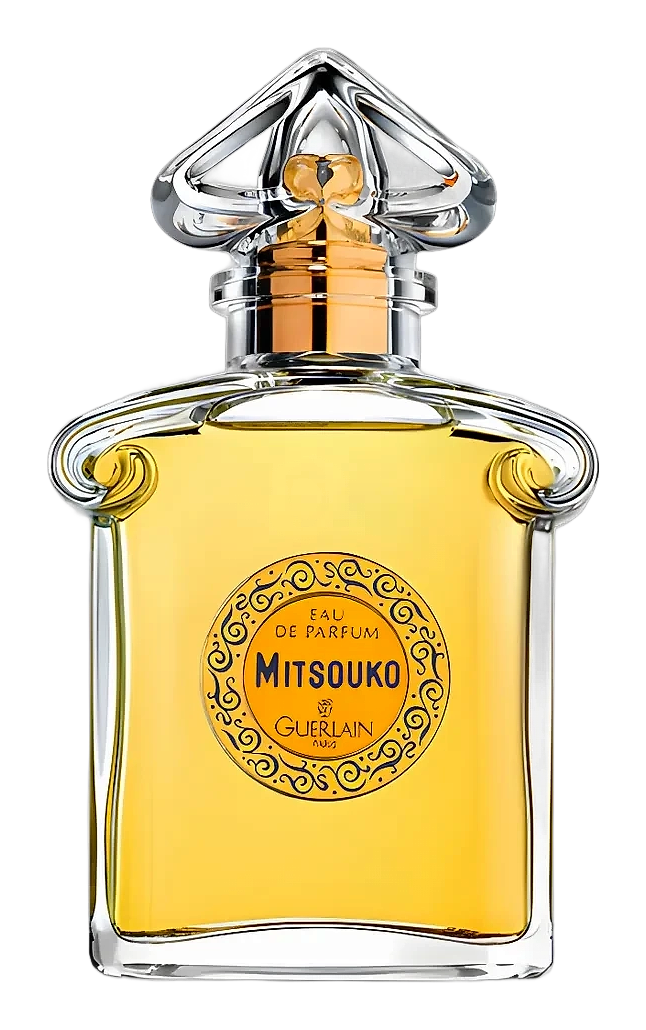
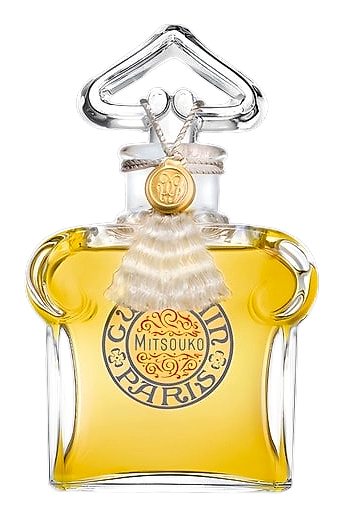
Mitsouko takes its name from the Japanese word for "Child of Light", though Guerlain heard "mystery" in the syllables. The fragrance was born from Claude Farrère's 1909 novel "La Bataille," where a Japanese woman falls for a British officer against imperial decline. Jacques Guerlain translated that cross-cultural collision into scent: bergamot and citrus for foreign excitement, rose and jasmine for European refinement, peach and ylang-ylang for something softer and more ambiguous, oakmoss and cinnamon for what remains when the initial spark fades. The name carries the novel's tension, East meeting West, desire meeting duty, sweetness meeting shadow.
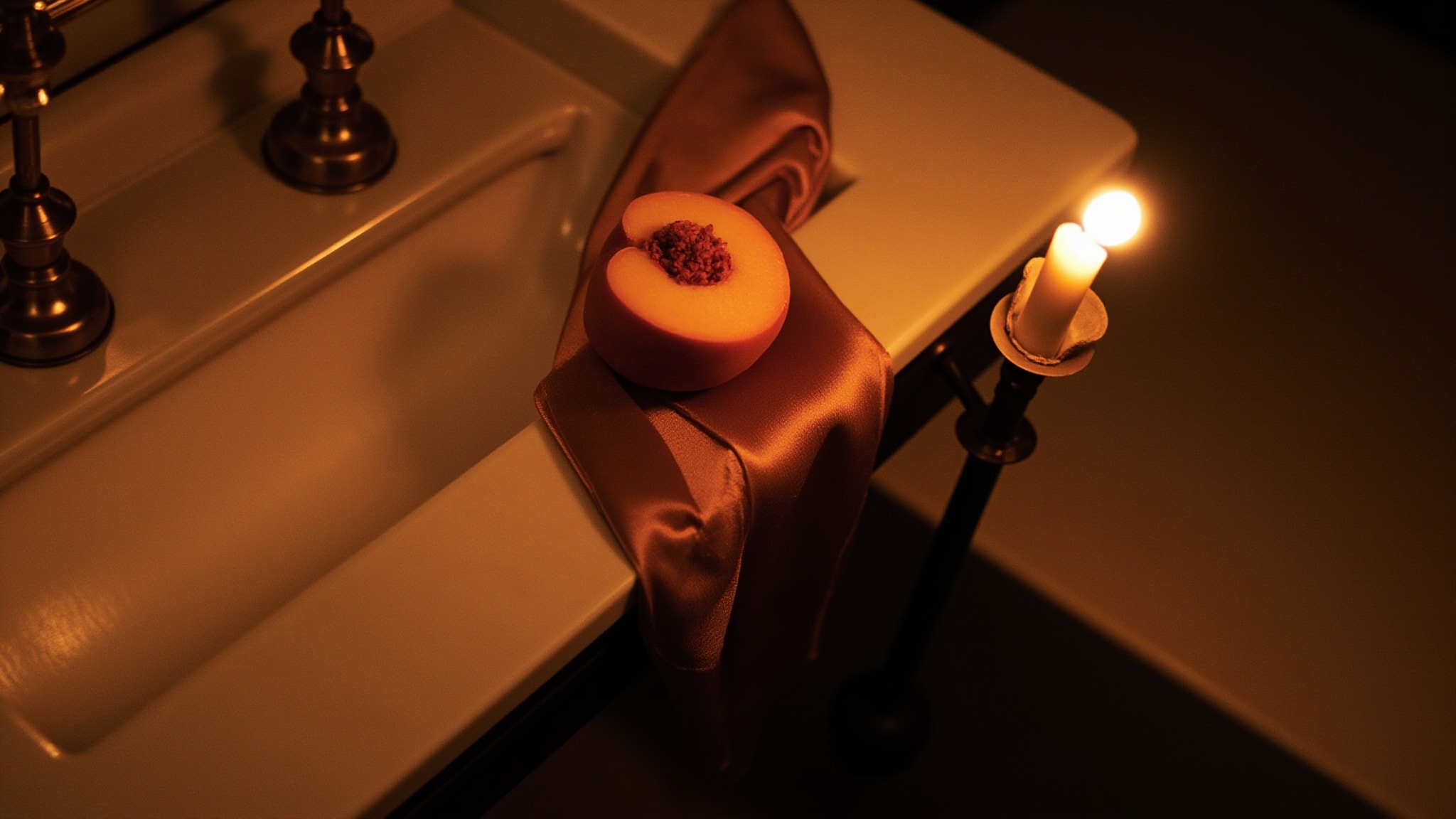
What made Mitsouko groundbreaking was aldehyde C-14, a synthetic molecule that captures natural peach flavor. In 1919, this was revolutionary. The aldehydes gave the fragrance a fatty, almost waxy quality that made the peach read as real skin rather than fruit candy. Combined with the chypre structure, bergamot over oakmoss, a bridge of warm spices, Mitsouko felt like nothing before it. The peach isn't decoration. It's the point. Everything else exists to make that peach feel like it belongs to a person, not a perfume.
The evolution
The opening announces bergamot and rose with quiet confidence. Clean. Almost British in its restraint. Within minutes the peach arrives and softens everything. The composition shifts from European to something warmer, more ambiguous. Jasmine keeps the florals from becoming decorative, and the aldehydes lend a powdery, almost candlelit quality. The heart belongs to peach, soft, warm, the way skin feels after sun. Ylang-ylang and lilac layer in, creating a sweetness that doesn't feel synthetic even though the aldehydes are doing considerable work. The floral sweetness is restrained enough to feel intimate, not overwhelming. Then the oakmoss arrives. Vetiver and cinnamon come with it, and the composition drops its softness for something earthier, drier. The amber provides warmth without sweetness. The oakmoss persists, not as a note but as a texture, the memory of the peach that was. The drydown is where Mitsouko earns its admirers. Vetiver and cinnamon dominate, amber adds warmth, and the oakmoss lingers as texture rather than note. Hours pass.
Cultural impact
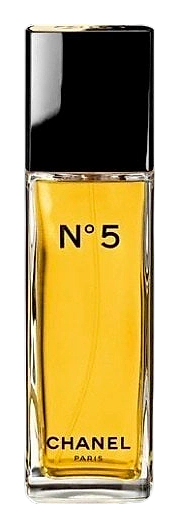
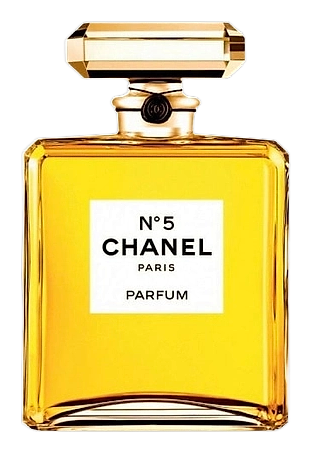
Guerlain earned the title of Official Perfumer to Napoleon III in 1853, royal endorsement that shaped everything about how the house operates. Mitsouko uses aldehyde C-14, a synthetic molecule that in 1919 made peach feel like skin rather than perfume. That innovation positioned it alongside Chanel No. 5 as a fragrance that changed how modern perfumery works, though Mitsouko took a different path, darker and more complex through its chypre structure. The house positions itself as the keeper of Parisian refinement, the kind of luxury that has earned its place and doesn't need to announce it. Mitsouko is classical and unsettling in equal measure. You wear it and you're not sure if you want to wear it again. That's the point.