
The Story
Why it exists.
The beginning
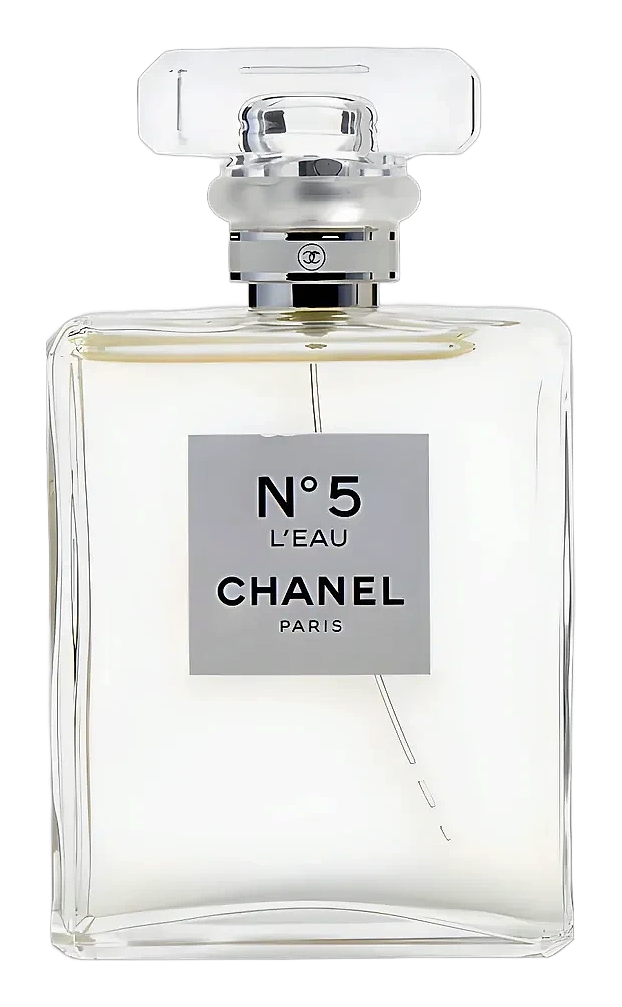
In 2016, Olivier Polge faced a challenge most perfumers would find impossible: create a new chapter for the most iconic fragrance in history without betraying it. N°5 had defined luxury perfumery since 1921, aldehydes, abstract composition, a scent that smelled like a woman, not a flower. The house wanted to reach a generation that had watched their mothers wear the original but never picked it up themselves. Polge kept the aldehydes, they're the signature, but reframed them as bright and citrusy rather than bold. White florals took center stage. The result wasn't a dilution. It was a translation.
The aldehydic-floral tension is what makes this composition worth examining. Aldehydes typically demand attention, they're the structural element that made N°5 revolutionary. Here, Polge softened their edge by pairing them with citrus rather than heavier base notes. The white florals, rose, jasmine, ylang-ylang, don't sit on top of the aldehydes; they grow through them, making the powdery quality feel organic rather than applied. It's powder without weight, modern without erasure.
The evolution
The opening is the whole argument. Aldehydes arrive first, that slightly metallic, effervescent quality that Chanel made famous, but they're immediately softened by lemon, mandarin, bergamot. The citrus doesn't fight the aldehydes; it frames them. As the fragrance develops, the florals begin to assert themselves. Rose and jasmine emerge from beneath the aldehydic structure, and suddenly the fragrance becomes powdery, but the powder comes from the florals themselves, not from an added note. This is the drydown's real character: white florals doing what white florals do, warmed by cedar and white musk. The drydown stays close and intimate rather than projecting outward, wrapping the wearer in a quiet, persistent warmth that remains unmistakably Chanel.
Cultural impact
No.5 L'Eau arrived in 2016 as the latest chapter in what remains the most documented fragrance line in history. Chanel positioned it as an entry point for a generation that had always known N°5 but never worn it, a way to bring new wearers into the house's orbit without diluting the flagship. The campaign, fronted by Lily-Rose Depp, made the generational intent explicit. The fragrance offered a contemporary interpretation that broadened the appeal of the N°5 concept while maintaining its essential character.