
The Story
Why it exists.
The beginning
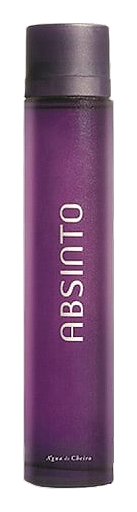
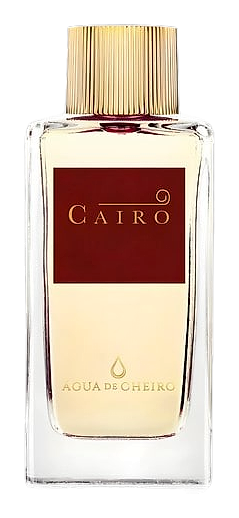
Cairo takes its name from the Egyptian capital, a city at the crossroads of Africa and the Middle East, where ancient markets have traded spices and resins for millennia. Created by Água de Cheiro in 2011, the house built this fragrance around that energy: the heat of sun on stone, the weight of amber in the air, the depth that cedar carries through centuries of trade. It is named for a place, but wears like a feeling, one of arriving somewhere with history.
The structure is classic Chypre, but softened through a Brazilian lens. Traditional chypres can read cold, moss, oakmoss, that austere mineral thing. Here, labdanum adds a warm amber resin that pushes against the expected coldness. The citrus top (bergamot, orange) arrives bright, then clears quickly, making room for spices, rose, and jasmine to carry the middle without crowding. The result is warm and approachable rather than formally austere. Not a wallflower, but not a shout either.
The evolution
Bergamot and orange hit first, bright, sharp, almost citric before the sun-warmed cedar and labdanum arrive to quiet things down. Within minutes the spices bloom, rose appearing as a warm pulse beneath jasmine's lift. The citrus retreats. The florals hold steady for an hour or two before the moss and patchouli begin their slow emergence in the drydown. Cedar outlasts everything else, the last note to leave, woody and close to skin, a memory rather than a statement.
Cultural impact
Cairo occupies a particular space: warm and woody enough to satisfy fans of the chypre tradition, approachable enough to welcome those new to the form. Released by Água de Cheiro in 2011, it reflects the house's commitment to storytelling over trend-following. No specific cultural reception data available.