





The Heritage
The Story of Jequiti
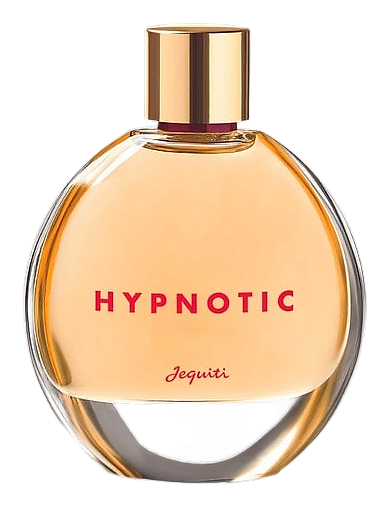
Jequiti is a Brazilian cosmetics and fragrance house that reaches customers through a direct‑sales network. Since its launch in 1999 the brand has offered a wide range of scented products, from everyday body sprays to more elaborate eau de parfums such as Eu Sinto (2012) and Fléus Orchidée (2024). Its catalogue mixes bright, youthful compositions with scents that reference Brazil’s coastal and tropical landscapes. Jequiti’s presence spans more than two decades, and the company continues to introduce new releases each year while keeping price points accessible for a broad audience.
Heritage
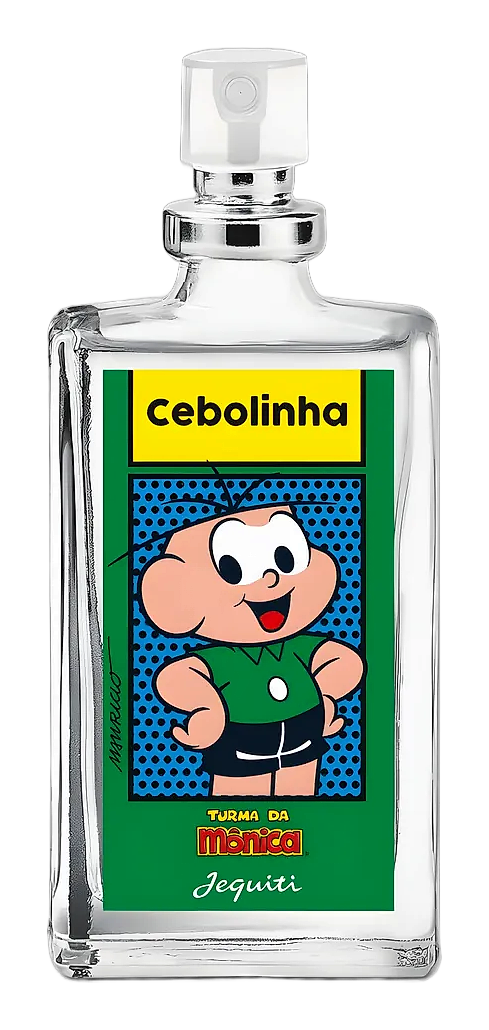
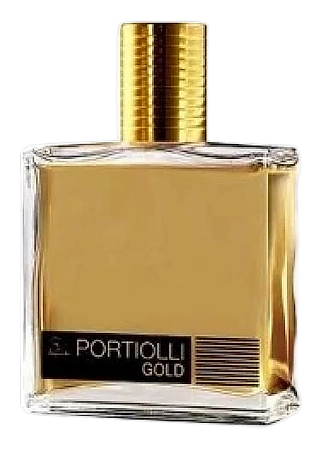
Jequiti emerged in 1999 as a subsidiary of Grupo Silvio Santos, the media conglomerate founded by the television entrepreneur Silvio Santos. The group chose to expand into personal care by creating a brand that could be sold through a network of independent consultants, a model that mirrored the company’s earlier success with household products. Early on, Jequiti focused on affordable cosmetics, but by the mid‑2000s it added a dedicated fragrance line, launching its first perfume collections in 2007. The brand quickly built a reputation for frequent releases, often tying new scents to popular Brazilian personalities; for example, the 2017 launch of Portiolli Red celebrated the television host Gugu Portiolli, while the 2023 Privé Homme Special was marketed alongside a limited‑edition campaign. In 2015 Jequiti entered the licensed‑character market with Monster High Frankie Stein, showing its willingness to blend pop culture with scent. The company’s growth has been supported by a robust consultant community, which reported more than 150,000 active sellers by 2022. Over the years, Jequiti has opened a modern production facility in São Paulo, allowing it to control formulation and packaging in‑house. The brand celebrated its 20th anniversary in 2019 with a series of retrospectives that highlighted its evolution from a basic cosmetics line to a diversified fragrance portfolio that now includes niche‑inspired releases such as Fléus Orchidée (2024).
Craftsmanship
Jequiti develops its fragrances in partnership with external perfumers, many of whom work out of Brazil’s major fragrance houses. Formulations blend synthetic aroma chemicals with natural extracts such as Brazilian rosewood, maracujá, and tropical fruits. The brand’s São Paulo manufacturing plant follows ANVISA regulations, conducting batch‑level quality checks that include stability testing, microbial analysis, and compliance with safety standards. Raw materials arrive from both domestic growers and international suppliers; the company reports that it prioritizes certified sustainable sources for ingredients like sandalwood and vanilla. After blending, the perfume oil is filtered and diluted to the intended concentration, then poured into bottles that are sealed with tamper‑evident caps. Packaging undergoes a separate quality line where graphic prints are inspected for color fidelity and alignment. Jequiti’s logistics network ships finished products to regional distribution centers, from where consultants receive orders within a few days. The brand’s commitment to consistency is reflected in its use of automated filling equipment that maintains precise volume control, reducing variation between batches. Periodic audits by third‑party laboratories verify that each release meets both national and international fragrance standards.
Design Language
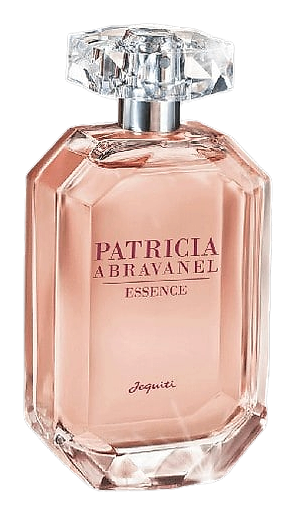
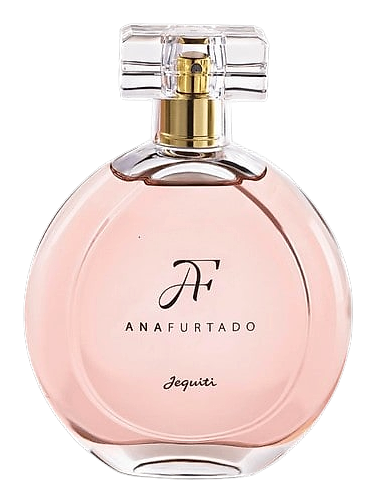
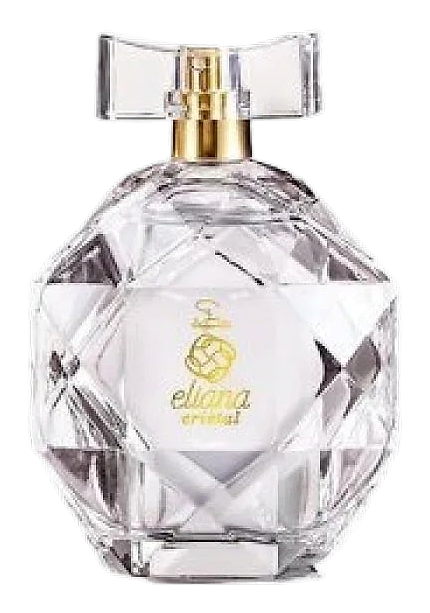
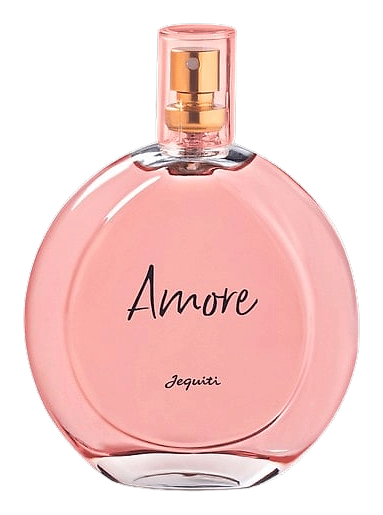
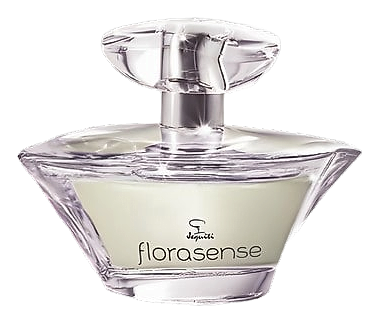
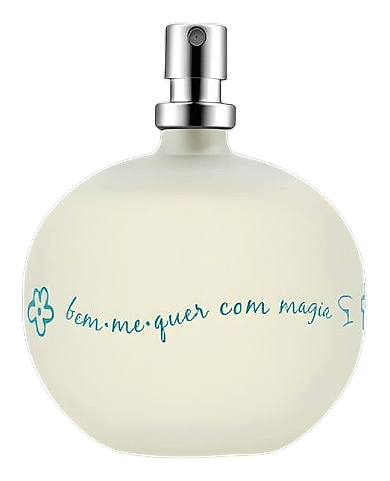
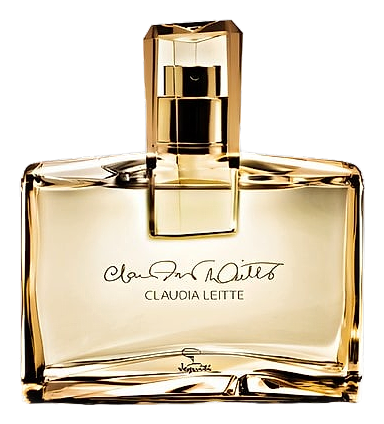
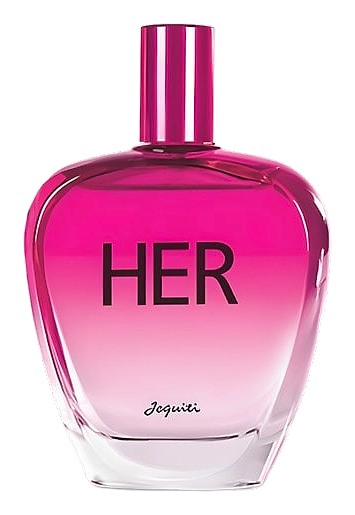
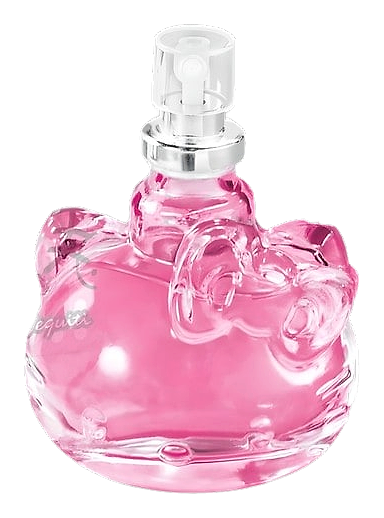
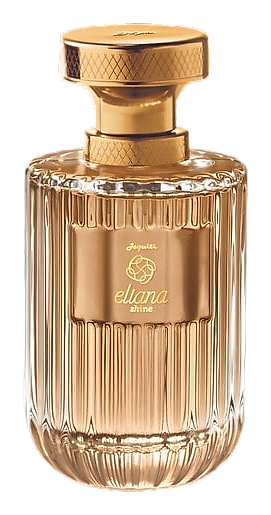
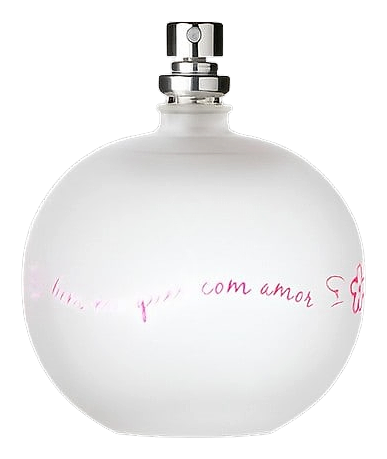
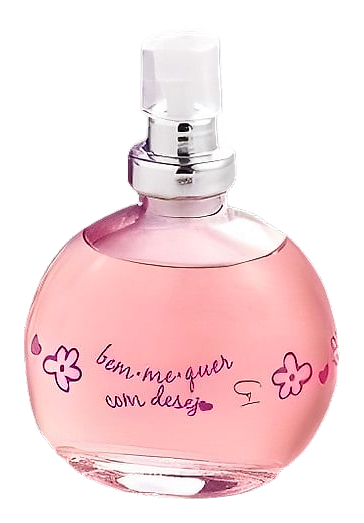
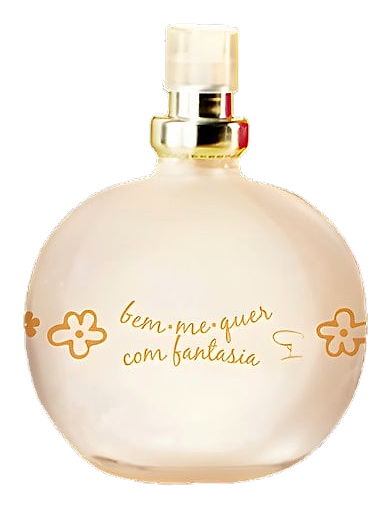
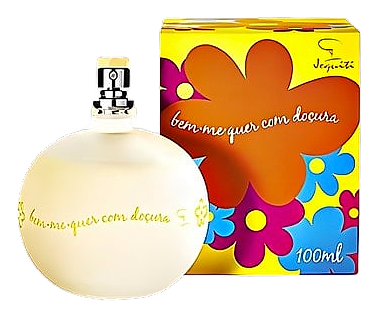
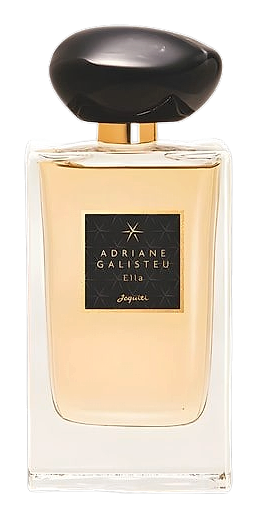
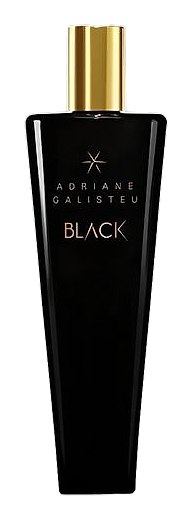
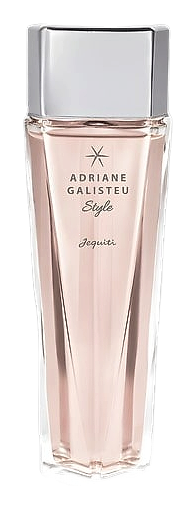
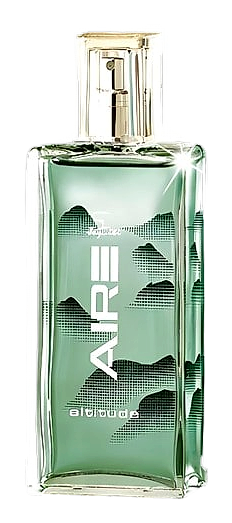
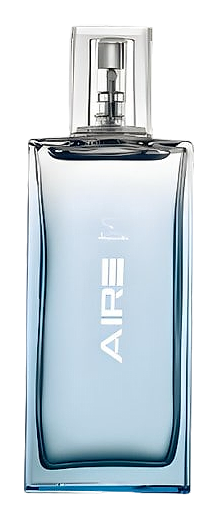
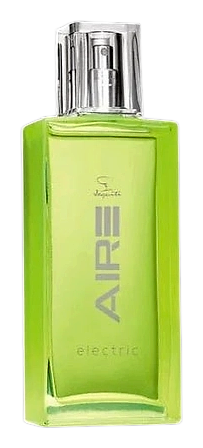
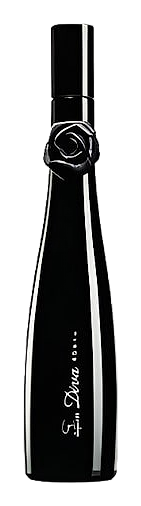
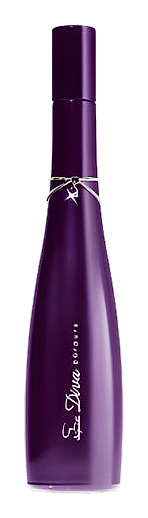
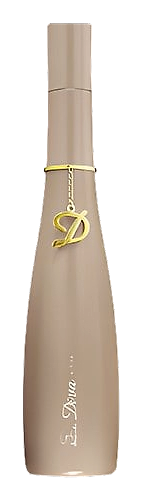
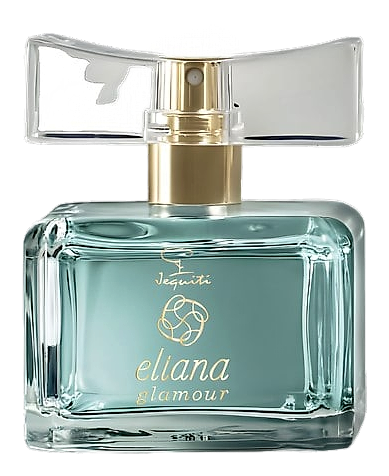
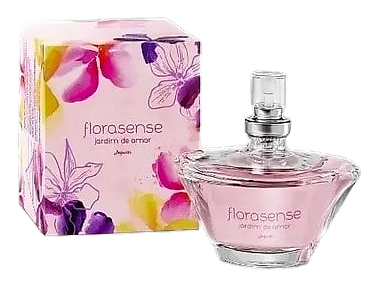
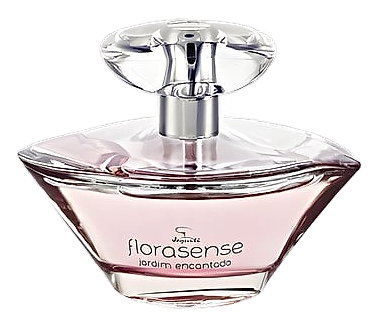
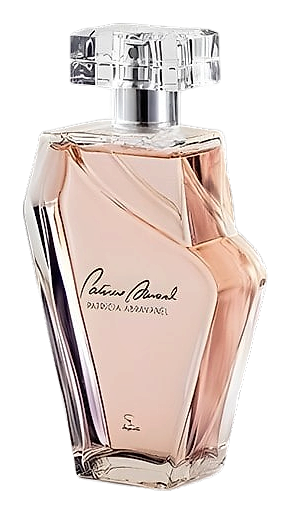
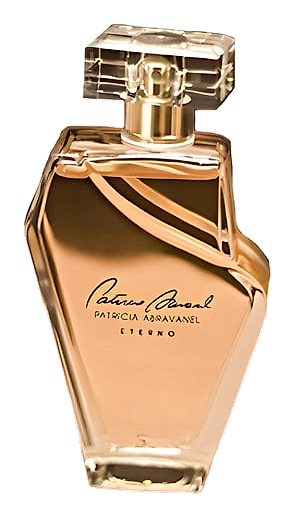
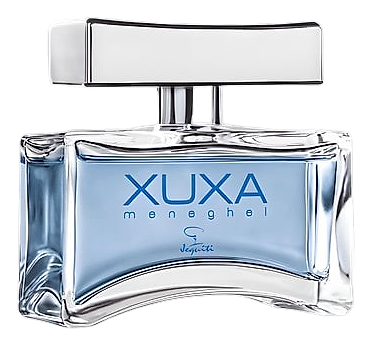
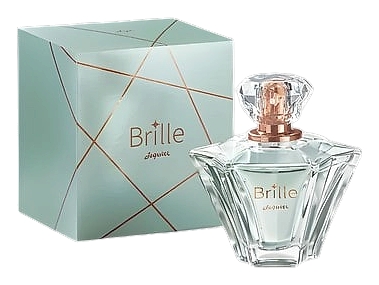
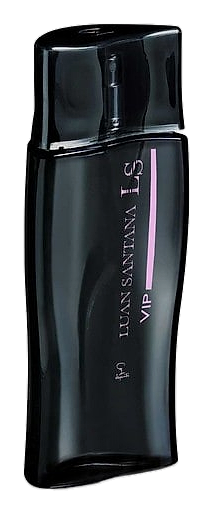
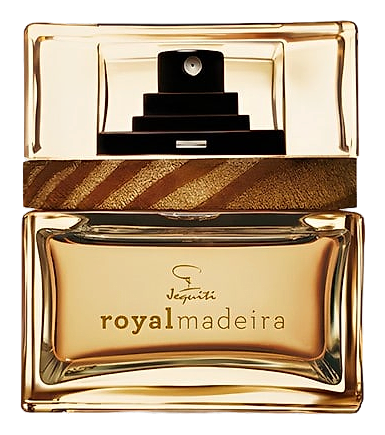
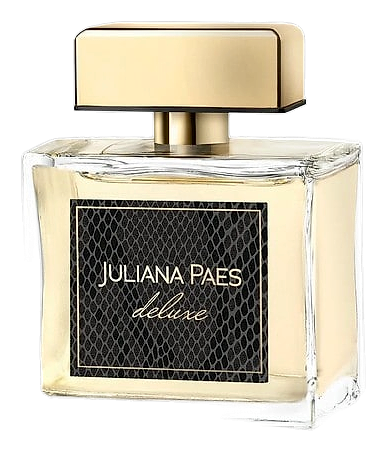
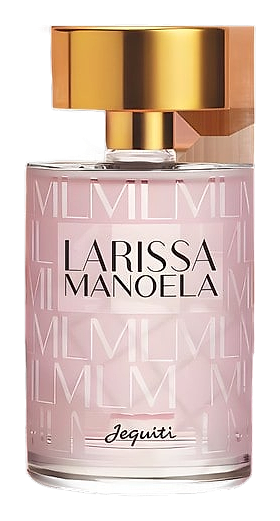
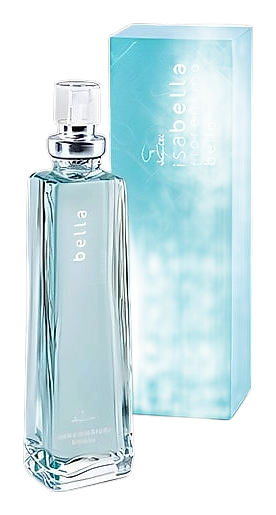
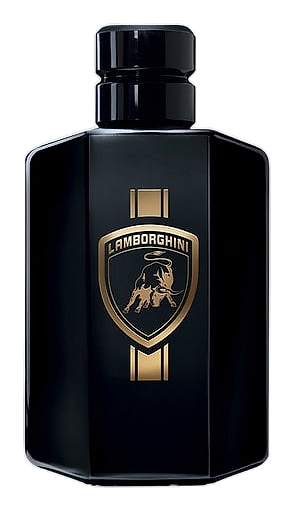
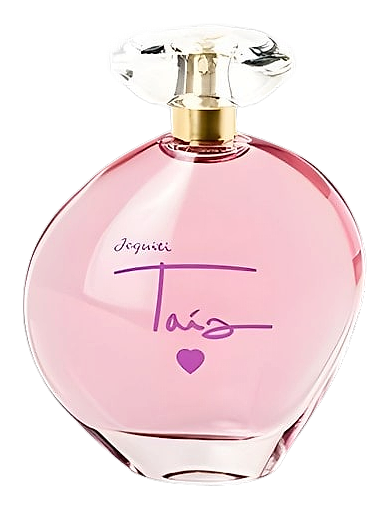
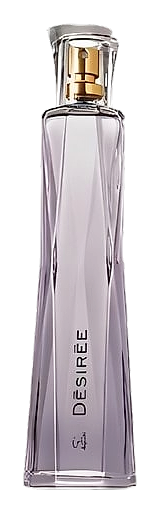
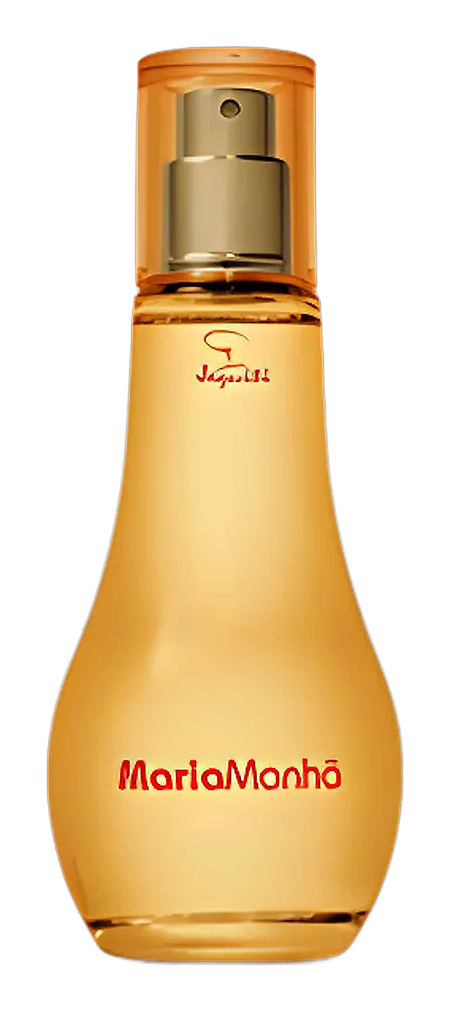
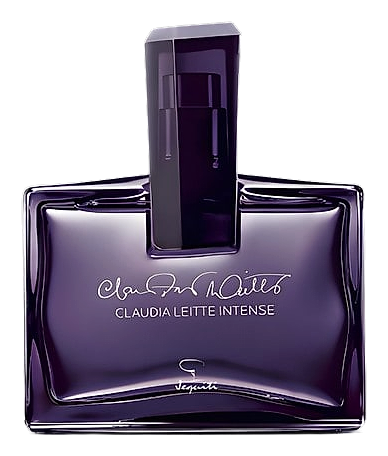
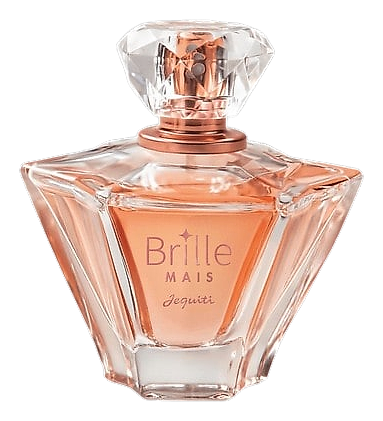
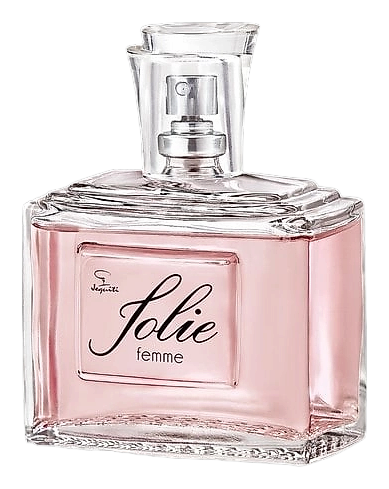
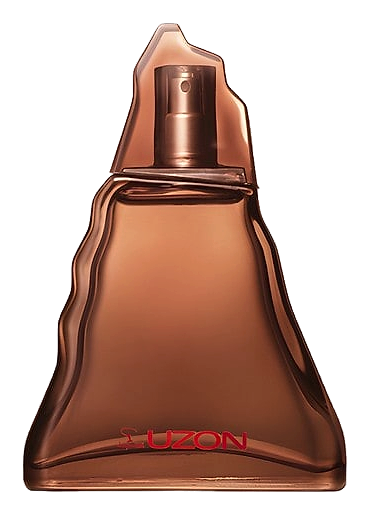
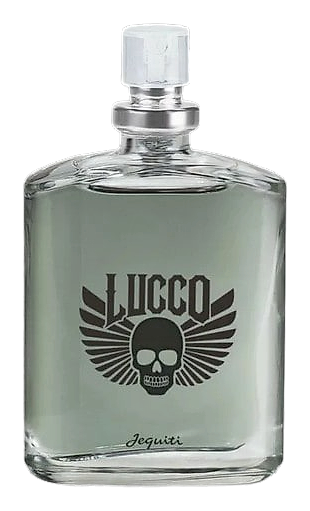
Visually, Jequiti embraces a vibrant, contemporary style that mirrors Brazil’s lively culture. Bottle designs often feature bold colors, glossy finishes, and playful shapes that stand out on a shelf. The Fléus Orchidée line, for instance, uses a deep violet glass with a gold‑toned spray cap, evoking the richness of an orchid bloom. Graphic elements on packaging incorporate tropical motifs, such as stylized leaves or wave patterns, while the typography leans toward clean, sans‑serif fonts that convey modernity. Seasonal collections introduce limited‑edition wraps with holographic accents, adding a sense of novelty for collectors. Marketing imagery frequently showcases sun‑lit beaches, urban nightlife, or festive gatherings, reinforcing the brand’s connection to everyday Brazilian moments. The overall visual language balances accessibility with a hint of glamour, aiming to attract both first‑time buyers and long‑standing fans.
Philosophy
Jequiti positions scent as a daily ritual that should be within reach of anyone who enjoys fragrance. The brand’s creative brief emphasizes Brazilian identity, encouraging perfumers to draw on local flora, coastal breezes, and urban energy. It seeks to democratize perfume by offering a rotating catalogue that lets consultants and customers explore new olfactory stories without a long‑term commitment. Sustainability appears in its statements, with Jequiti pledging to source ingredients responsibly and to reduce packaging waste where possible. The company also promotes empowerment through its sales model, presenting the consultant role as a pathway to entrepreneurship. By combining frequent launches with a community‑driven approach, Jequiti aims to keep the scent experience fresh, personal, and socially connected.
Key Milestones
1999
Jequiti launches as a direct‑sales cosmetics brand under Grupo Silvio Santos.
2007
First dedicated fragrance line is introduced, expanding the product portfolio.
2015
Jequiti releases its first licensed‑character perfume, Monster High Frankie Stein.
2017
Portiolli Red debuts, marking a high‑profile collaboration with Brazilian TV personality Gugu Portiolli.
2023
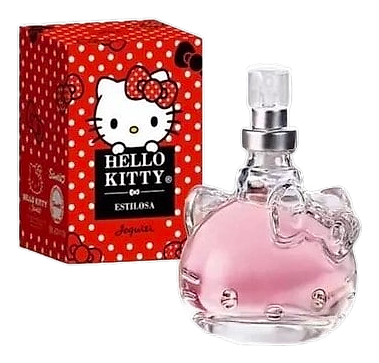
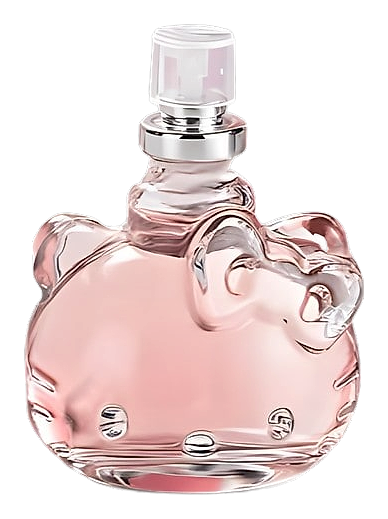
Privé Homme Special and Hello Kitty Lovely launch, showing the brand’s continued focus on diverse collaborations.
2024
Fléus Orchidée releases, highlighting Jequiti’s move toward more niche‑inspired scent compositions.
At a Glance
Brand profile snapshot
Origin
Brazil
Founded
1999
Heritage
27
Years active
Collection
12
Fragrances released
Avg Rating
4.1
Community sentiment
Release Rhythm


