
The Story
Why it exists.
The beginning
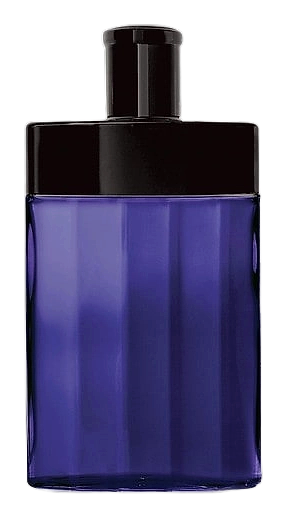
Harry Frémont designed Purple Label in 2003 to mirror the Ralph Lauren Purple Label menswear line. The fragrance opens with blackberry, tart and bright, before settling into deeper territory. Suede emerges as the fragrance develops, soft and slightly animal, while mahogany provides a warm, woody foundation. The overall effect is understated and composed, blackberries, suede, mahogany, the olfactory equivalent of a well-appointed room where every detail has been considered.
Ralph Lauren built its empire on a particular vision of refined elegance. Purple Label the fragrance follows the same logic: fruit up front, then the quiet confidence of suede and oakmoss underneath. The bright blackberry opening gives way to a drydown built on suede and oakmoss, a combination that brings warmth and texture to the composition. It's fruity enough to feel contemporary, woody enough to feel established. The interplay between the two phases creates something that feels both current and timeless.
The evolution
The opening hits immediately: blackberry, mandarin, a hint of green coriander. Tart and bright, the blackberry and mandarin create an immediate fruity impression that is lifted by the herbal edge of the coriander. Then the herbs arrive. Sage and thyme take over, their aromatic quality shifting the fragrance from its fruity opening into more herbal territory. The tobacco flower threads through, soft and quiet, neither smoky nor sweet, adding a subtle floral dimension that connects the heart to the base. By hour two, the base takes over. Musk and oakmoss arrive together, bringing earthiness and depth, followed by suede, the note that adds a soft, tactile quality that makes people stop and lean in. The mahogany keeps everything grounded, its warm wood character anchoring the fragrance as it settles into the skin.
Cultural impact
Purple Label earned the Fragrance Foundation's Fragrance of the Year, Men's Luxury award in 2004. It sits in Ralph Lauren's collection as a distinguished option for the man who values timeless elegance over trend. Wearers describe it as a fragrance that projects quiet confidence, the kind of scent that suggests someone who is comfortable in their own taste and doesn't need to prove anything to anyone. It's the fragrance equivalent of a well-tailored suit: it doesn't shout, but it certainly gets noticed.
The House
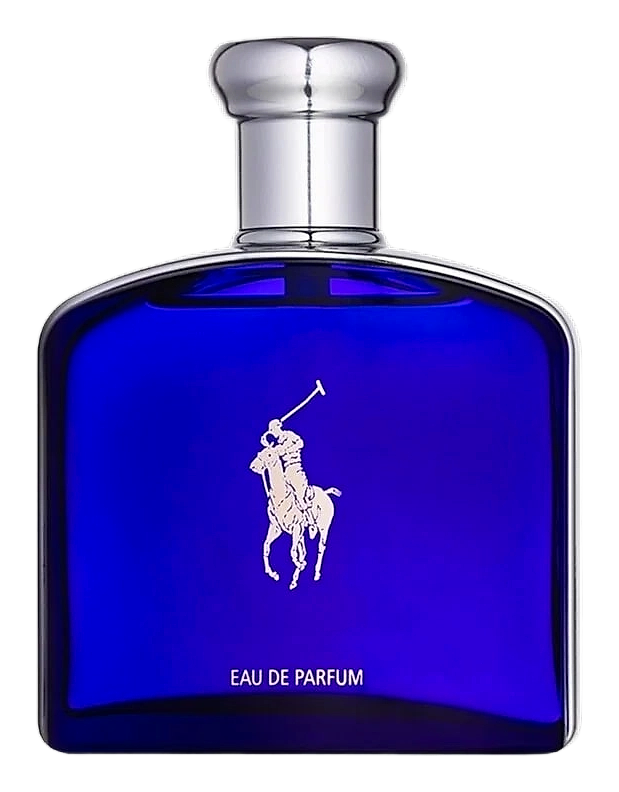
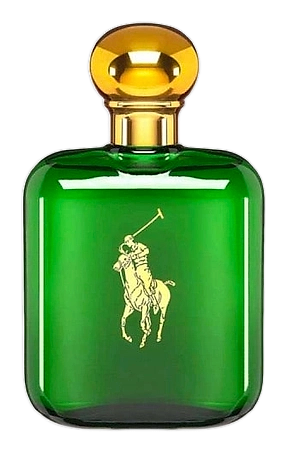
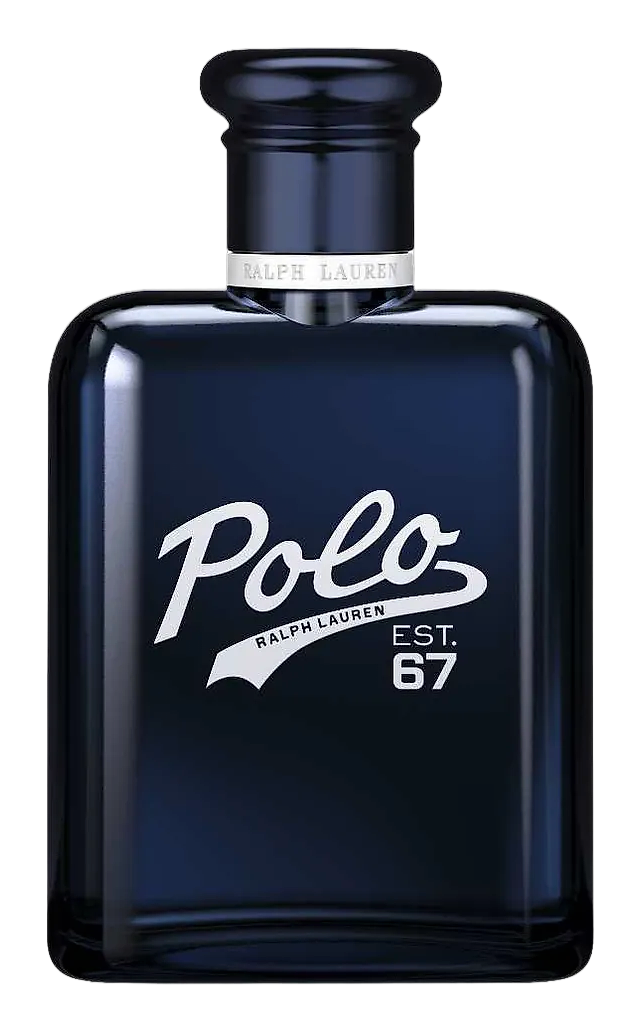
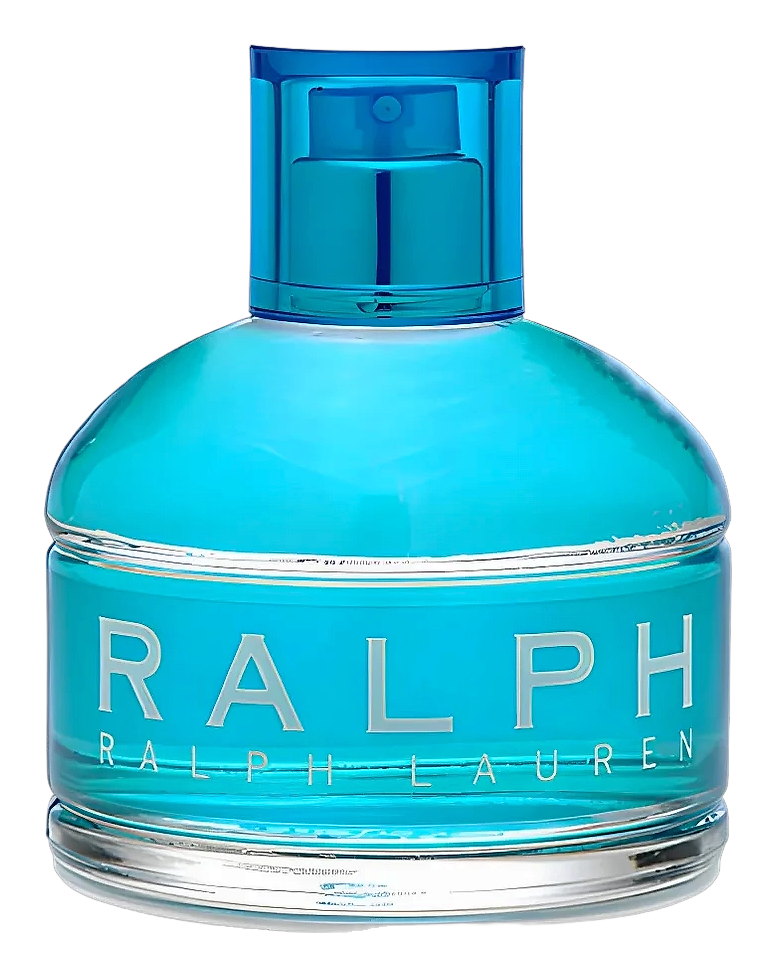
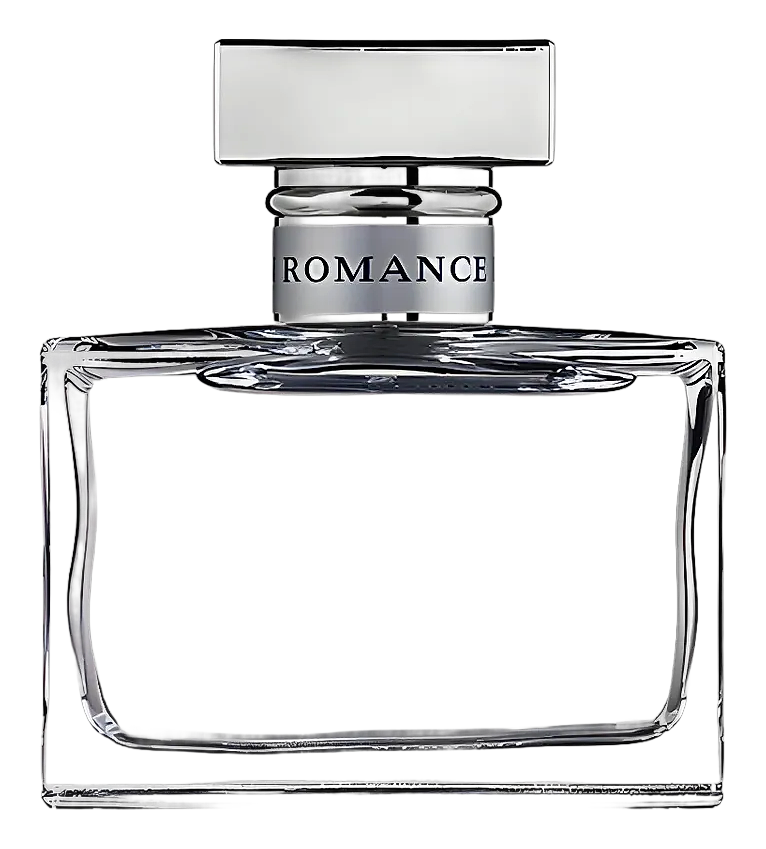
Ralph LaurenRalph Lauren is the quintessential American luxury brand that transformed a $50,000 tie business into a global lifestyle empire. Founded in 1967 by Ralph Lifshitz, a Bronx-born son of Jewish immigrants, the house virtually invented the concept of 'lifestyle' branding. Their fragrance portfolio captures that same all-American spirit, from the rugged masculinity of Polo (1978) to the romantic elegance of Romance (1998). Each scent reflects Lauren's vision of timeless style, whether it is the preppy confidence of the original Polo or the modern sophistication of Ralph's Club. The brand licenses its fragrances through L'Oréal, bringing accessible luxury to a worldwide audience while maintaining that distinctive Ralph Lauren polish.
The Creator
Harry FrémontFrémont's style resists easy categorization. He works fluently across woody, floral, amber, and leather territories, with an especially strong command of vetiver and musks that has become something of a signature.