




























The Heritage
The Story of Gritti
Gritti is a Venetian niche perfume house that translates the city’s centuries‑old love of art and storytelling into scent. Founded by Luca Gritti, a chemist‑turned‑perfumer, the brand blends a family legacy of fragrance production with a modern curiosity for emotional resonance. Its catalogue ranges from the smoky depth of the Black Collection to airy releases such as the White Edition, each aimed at sparking a personal memory.
Heritage
The Gritti name reaches back to the late fifteenth‑century household of Andrea Gritti, who served as Doge of Venice from 1523 to 1538. For generations the family supplied raw materials to Venetian workshops, a practice that continued into the twentieth century as a modest fragrance‑production operation. In 2010 Luca Gritti, a trained chemist with a self‑taught nose, formalised the family’s expertise into a distinct perfume house. The inaugural releases formed the Black Collection, a line that the brand describes as embodying both the perfumer’s vision and the family’s historic craft. Over the next decade Gritti expanded its portfolio, introducing the White Edition series in 2013, the oud‑focused Oud Reale in 2020, and the narrative‑driven Silence Between Worlds in 2026. Each launch marks a step away from mass‑market trends toward a more intimate, story‑centric approach. The house remains headquartered in Venice, where its workshop still occupies a restored palazzo that once housed the Gritti family’s commercial activities. While the brand has grown internationally, it retains a small‑batch production model that mirrors the artisanal methods of its ancestors.
Craftsmanship
Production at Gritti takes place in a workshop that blends historic Venetian techniques with contemporary laboratory standards. Raw materials arrive after a vetting process that checks for purity, provenance and ecological impact. Natural absolutes are extracted using traditional methods—steam distillation for citrus, solvent‑free enfleurage for delicate florals—while synthetic aroma chemicals are employed only when they replicate a scent that cannot be sourced responsibly. Each formula is assembled by a small team of trained chemists who follow a strict batch‑size limit, ensuring that every bottle reflects the same olfactory balance. Quality control includes a double‑blind panel test, where independent evaluators confirm that the fragrance matches the creator’s brief before the perfume is decanted. Bottles are hand‑finished; glass is sourced from Murano artisans who apply subtle etchings inspired by Venetian lace. Caps are often crafted from reclaimed brass, polished to a muted sheen that echoes the city’s marble facades. The final product is sealed with a wax imprint of the Gritti crest, a nod to the family’s heraldic roots. This combination of meticulous ingredient selection, controlled batch production, and artisanal finishing defines the house’s commitment to consistent, high‑quality perfume.
Design Language
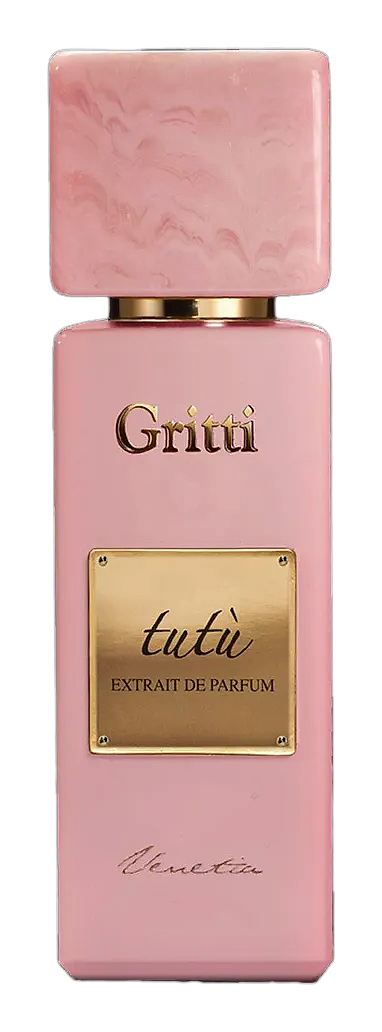
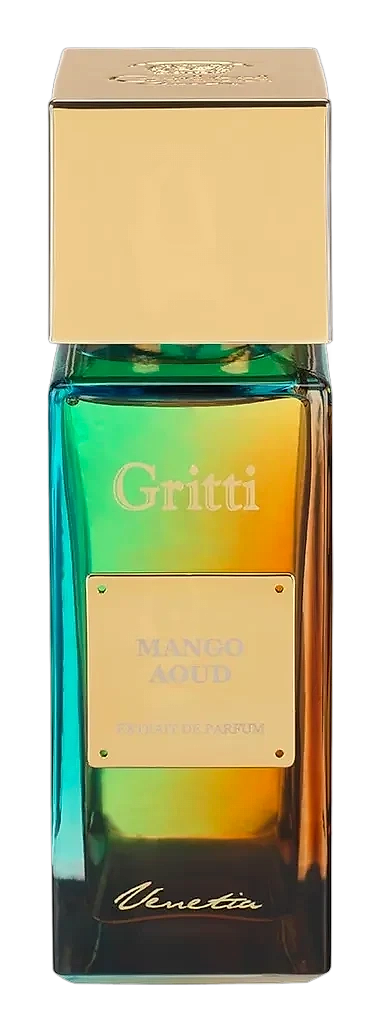
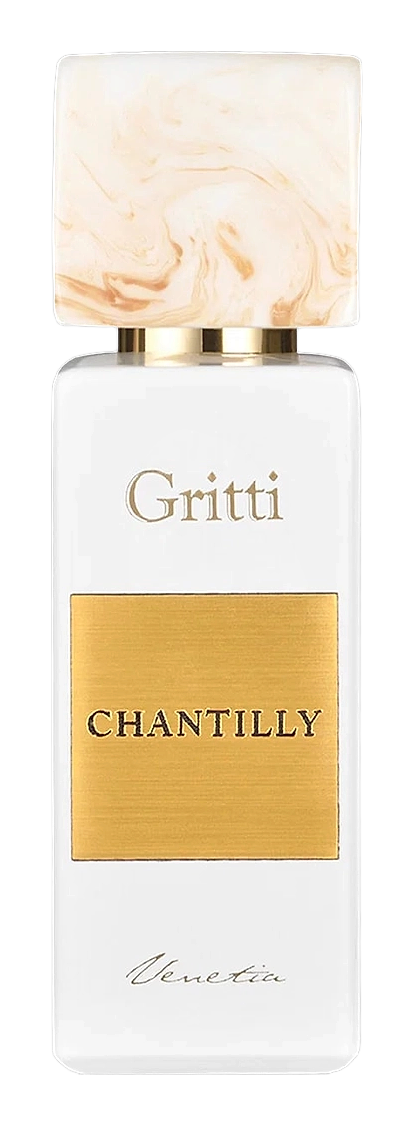
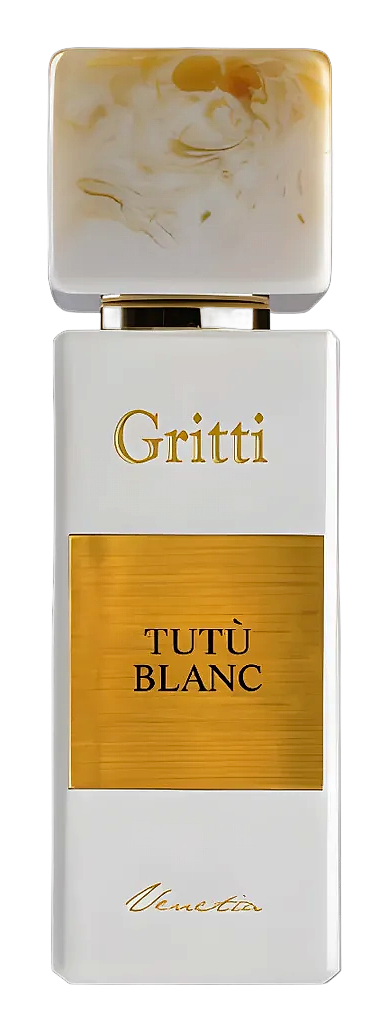
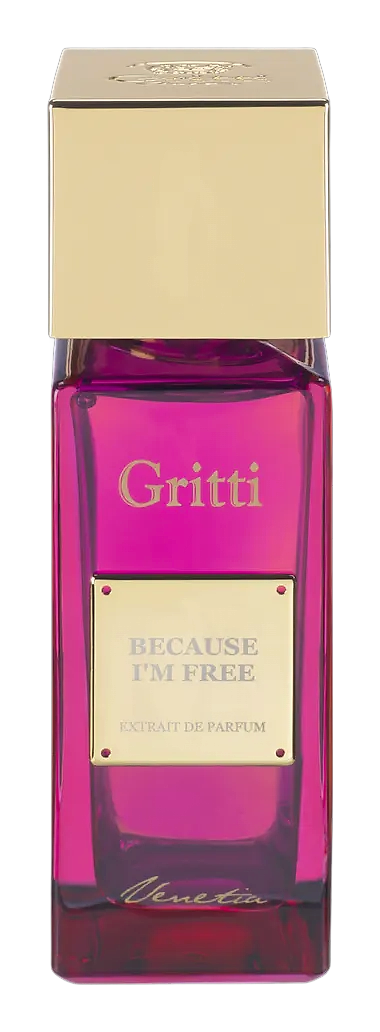
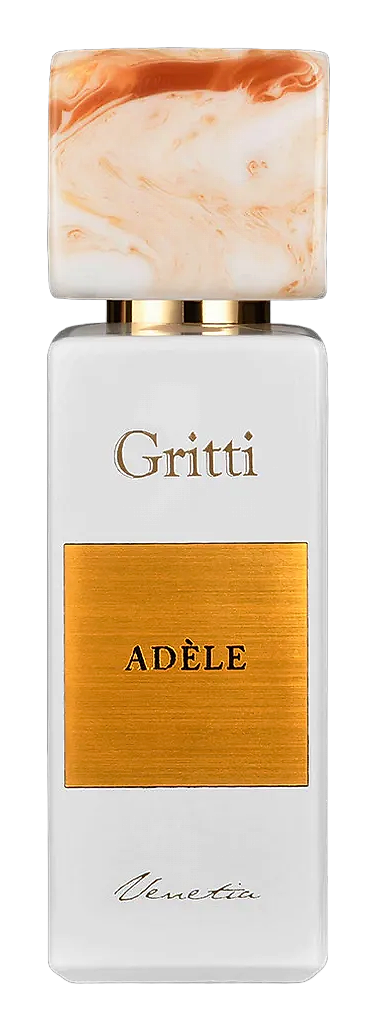
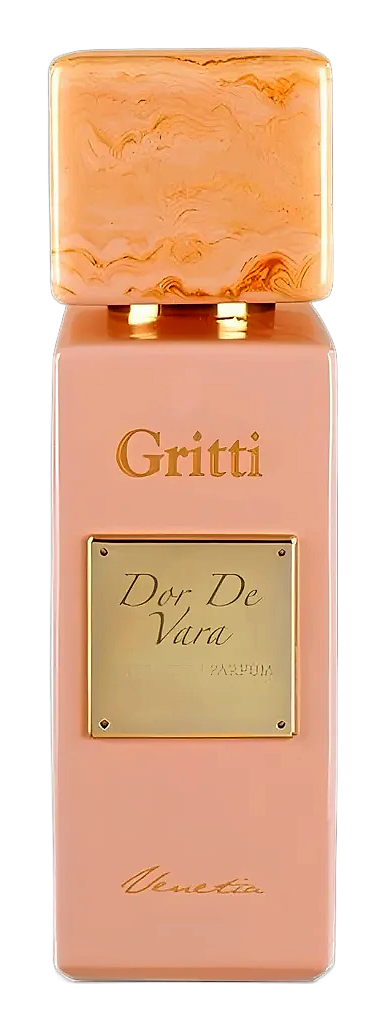
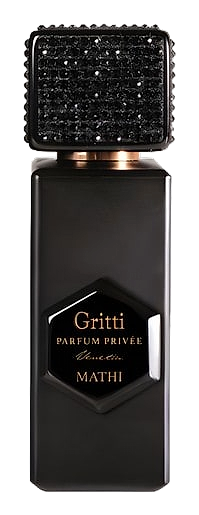
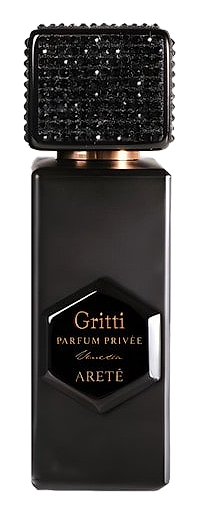
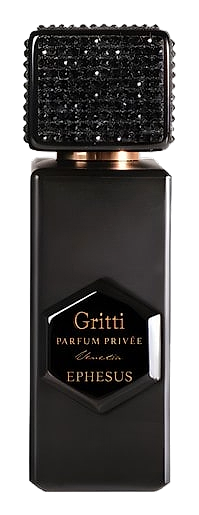
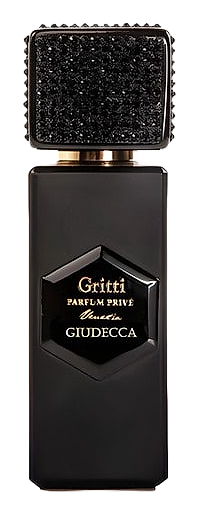
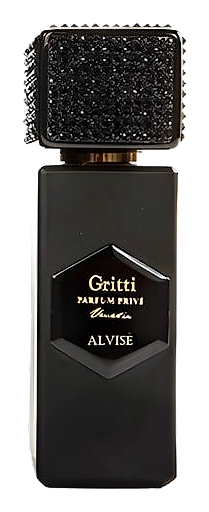
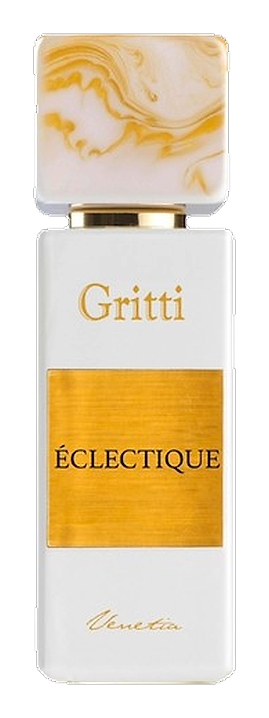
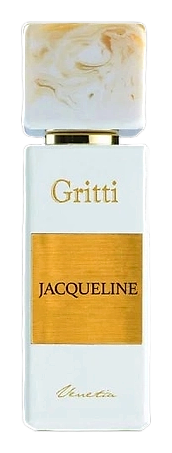
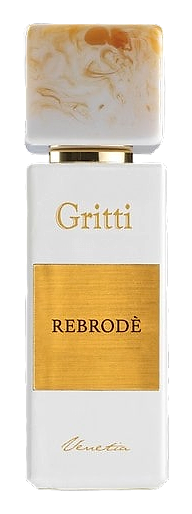
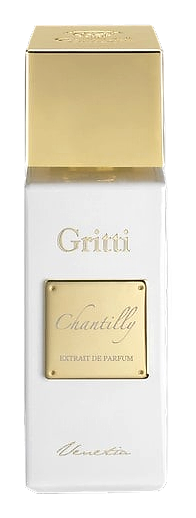
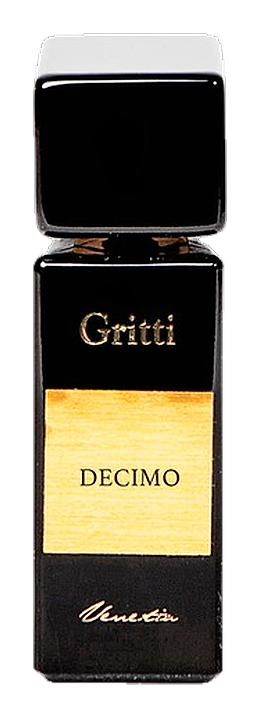
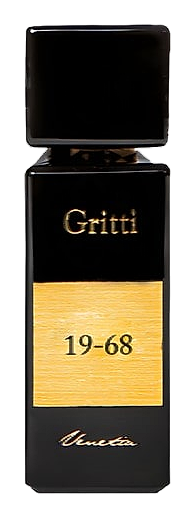
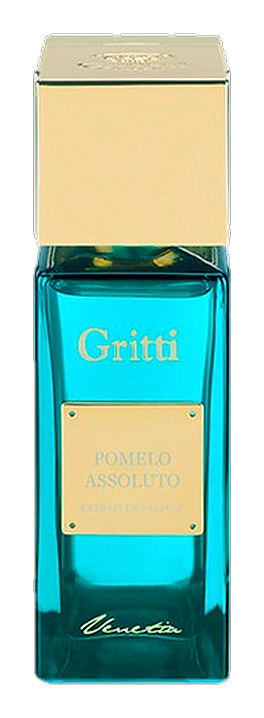
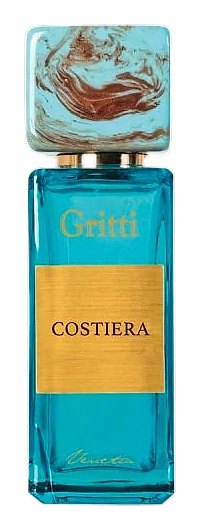
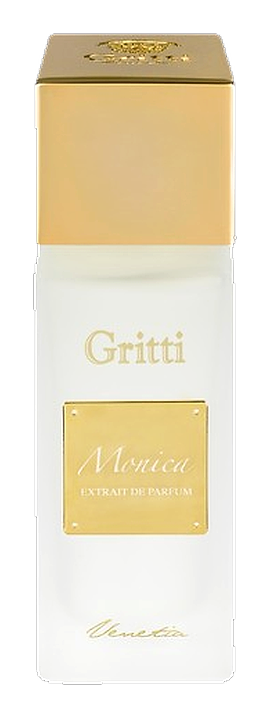
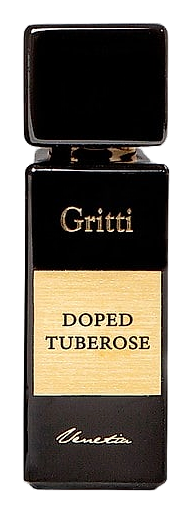
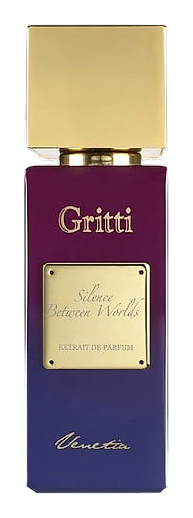
Visually, Gritti leans into the opulence of Renaissance Venice without resorting to overt extravagance. Bottle silhouettes are clean and rectangular, echoing the lines of Venetian palazzos, while the glass often carries a soft amber tint that hints at candlelight in a gondola courtyard. Labels feature a minimalist serif typeface paired with a subtle watermark of the Gritti coat of arms, reinforcing the brand’s historic lineage. The White Edition series adopts a crisp, white frosted glass that suggests marble, whereas the Black Collection opts for deep, glossy black vessels reminiscent of polished obsidian. Packaging inserts are printed on heavyweight paper with a muted palette of ochre and teal, colors drawn from Venetian frescoes. Marketing imagery frequently places the bottles against backdrops of canals, glass workshops, or historic bridges, creating a visual narrative that aligns the scent with the city’s artistic heritage. This restrained yet evocative aesthetic positions Gritti as a bridge between heritage and contemporary design.
Philosophy
Gritti’s creative vision rests on what Luca Gritti calls the "forgotten art of emotional perfumery." Rather than chasing fleeting trends, the house seeks scents that act as triggers for personal recollection, much like a Venetian fresco can evoke a specific moment in history. The brand draws heavily on the city’s cultural heritage, using motifs of canals, glassmaking, and Renaissance patronage as narrative scaffolds for each fragrance. Sustainability and respect for raw materials also shape its values; Gritti prefers ingredients that can be traced to their origin, whether a Tuscan lavender field or a Syrian oud forest. Transparency about sourcing is presented as a moral responsibility, aligning the house with a broader niche movement that prioritises ethical procurement. Collaboration is limited but intentional; when the brand works with external artisans, it does so to preserve a specific craft, such as hand‑blown glass for bottle caps. Ultimately, Gritti positions scent as a bridge between past and present, inviting wearers to experience history through the skin.
Key Milestones
2010
Luca Gritti officially launches the Gritti perfume house in Venice, introducing the Black Collection.
2012
Release of Damascus, a fragrance that highlights the brand’s early interest in oriental accords.
2013
Launch of the White Edition series, beginning with White Almond, signaling a shift toward lighter, powdery compositions.
2015
Arete debuts, earning attention for its balanced blend of citrus and woody notes.
2020
Oud Reale arrives, showcasing Gritti’s commitment to responsibly sourced oud.
2022
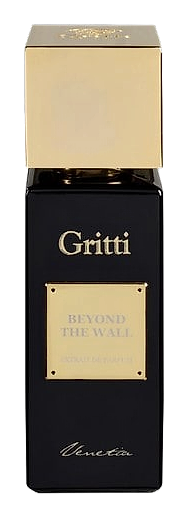
Beyond The Wall is released, reflecting a narrative of exploration beyond Venice’s historic boundaries.
At a Glance
Brand profile snapshot
Origin
Italy
Founded
2010
Heritage
16
Years active
Collection
4
Fragrances released
Avg Rating
3.9
Community sentiment
Release Rhythm


