The Story
Why it exists.
The beginning
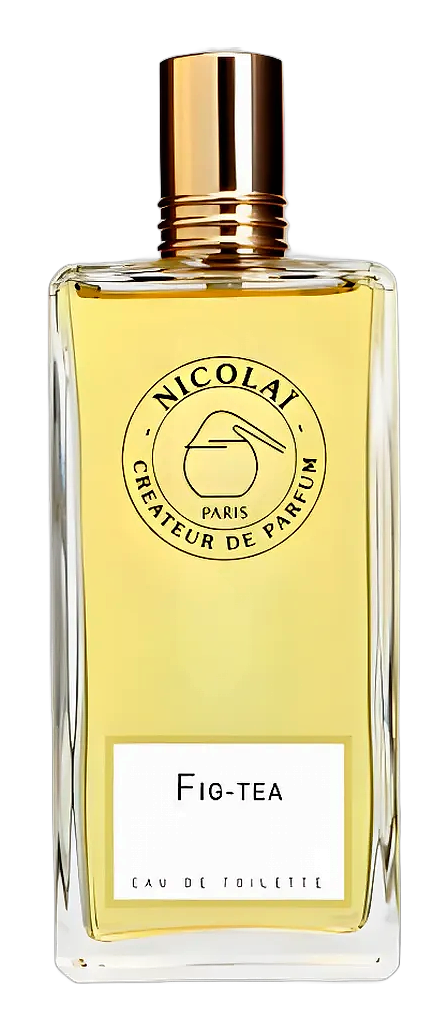
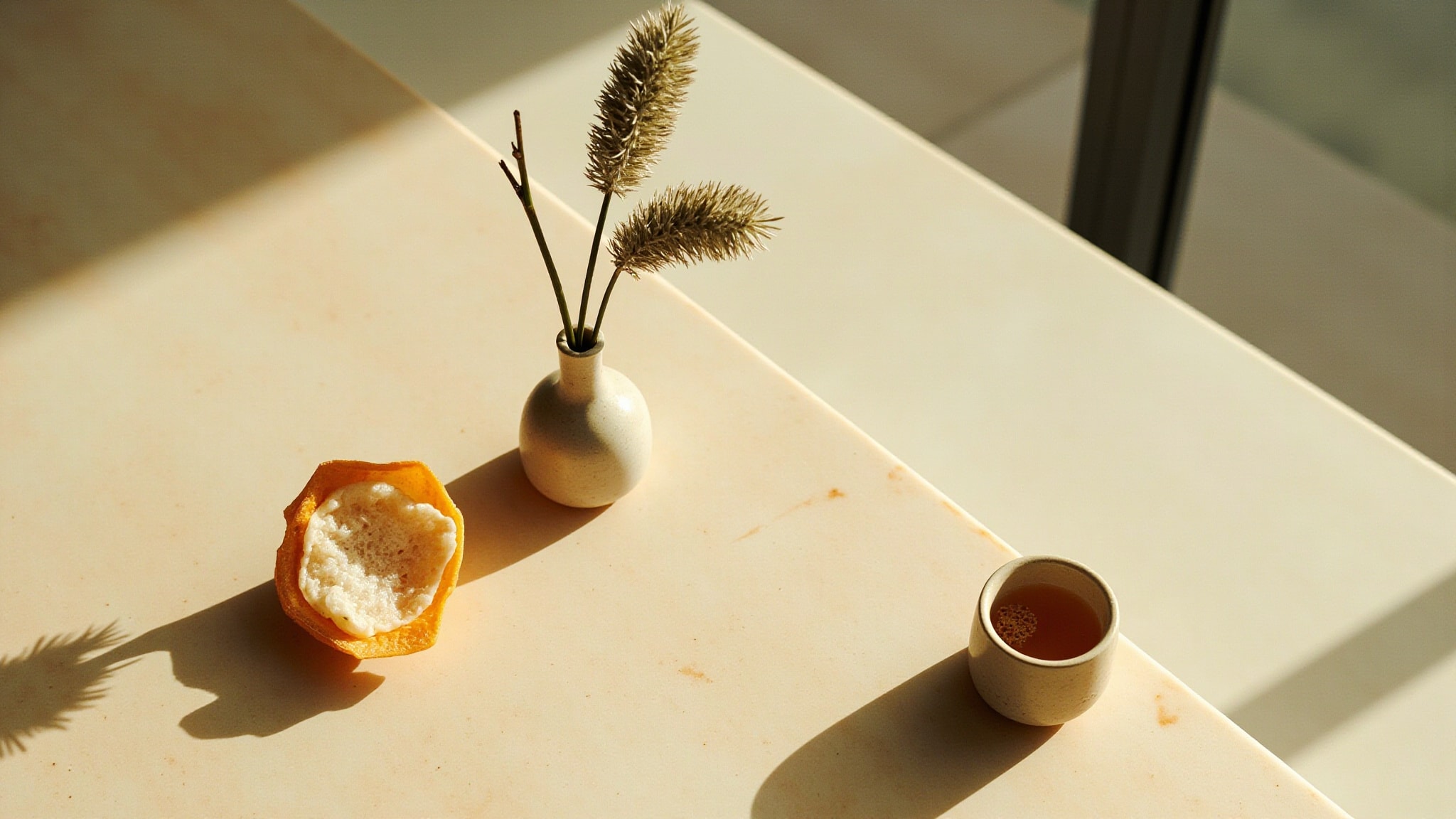
Patricia de Nicolai trained under Jean-Paul Guerlain before founding her own house, a rare pedigree that shows in compositions built with classical discipline but contemporary restraint. Fig Tea arrived in 2007, a time when fruity-florals were everywhere and nobody was apologizing for it. The name says fig. The tea is the quiet argument.
The osmanthus-absolute choice is the first tell. This isn't the green-leaf fig of Diptyque or the coconut-latex of Philosykos. It's the apricot-floral osmanthus, which smells like a memory of fruit rather than fruit itself. Pair that with orange oil at the top, bright, almost sparkling, and you have an opening that contradicts itself on purpose. Sweet and bitter. Juicy and dry.
The evolution
The top notes arrive quickly: orange oil's zest hits first, almost sharp, then the osmanthus blooms into something rounder and more floral. The transition to the heart is where most fragrances coast. Fig Tea pivots. Davana, an herb from the artemisia family, adds a slightly camphorated, bitter quality that refuses to let the sweetness win completely. Jasmine enters softly, not dominating, while coriander adds a quiet spice. By hour three, the base takes over: mate provides a tannic, tea-like quality that echoes the name without smelling like Earl Grey. Guaiac wood and amber create warmth without heaviness. The drydown stays close to the skin, intimate but present, for the remaining hours. On fabric, it fades cleaner. On skin, it lingers until evening.
Cultural impact
Fig Tea arrived in 2007 before osmanthus became the signature note it is today. For those who discovered it then, it holds a particular status, not because it predicted the trend, but because it never needed to follow one. The 2007 release represents a quieter moment in fragrance culture, and the composition reflects that restraint.