The Story
Why it exists.
The beginning
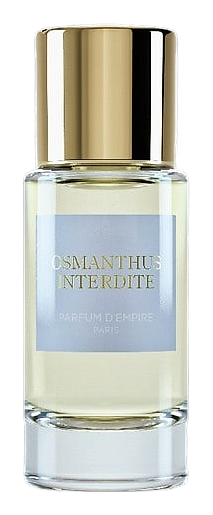
Cortichiato built Osmanthus Interdite around the Forbidden City, drawing inspiration from the storied architecture and cultural weight of the ancient palace. The name means forbidden, but the fragrance argues the opposite. Not locked away. Discovered. Osmanthus and green tea anchored to Chinese soil bring an earthy, slightly mineral quality to the opening, apricot adding its fleeting sweetness that sits somewhere between skin-soft and jam-like. Jasmine sambac absolute and rose lift the whole composition into something worn close to the skin, intimate and quietly confident. The interplay between the bright, tea-like osmanthus and the deeper floral heart creates a tension that feels both ancient and thoroughly modern, a scent that whispers rather than shouts.
The osmanthus-suede combination shouldn't work as well as it does. Suede typically grounds warm bases, here it softens osmanthus, which already carries apricot in its fruity, tea-like facets. The suede doesn't lean animalic. It leans towards the inside of a glove, warm and intimate. Jasmine sambac absolute brings its indolic warmth without tipping into headiness, while rose adds a powdery floral lift that keeps the whole composition from settling too heavy. The green tea note, a nod to Chinese tradition, keeps everything refreshing, a cool current running through the florals.
The evolution
The osmanthus arrives first, green tea brightening the edges with a crisp, almost astringent quality that quickly softens. There's a slight tartness to the apricot note, the skin of the fruit rather than its flesh, lending a realism that grounds the sweetness. Then jasmine sambac absolute and rose arrive in the heart, creamy and warm, as the suede begins to assert itself beneath the florals. The composition deepens over time, the initially delicate florals gaining body and presence. Suede dominates the drydown, osmanthus fading into a memory, white musk wrapping everything in a close, skin-like warmth. The suede lingers longest, the part that stays with you after the florals have gone to sleep, a soft whisper of leather and skin that endures.
Cultural impact
Osmanthus Interdite occupies a particular space in niche perfumery, one of the few Western fragrances to place osmanthus at center stage rather than as a supporting accord. The floral note, so specific to Chinese perfumery traditions, becomes here the protagonist rather than a fleeting cameo. This approach sets it apart from mainstream releases that typically treat osmanthus as a passing fancy, a delicate top note meant to disappear. Instead, Cortichiato builds the entire composition around this singular ingredient, letting its apricot-tea character guide every subsequent choice.