
The Story
Why it exists.
The beginning
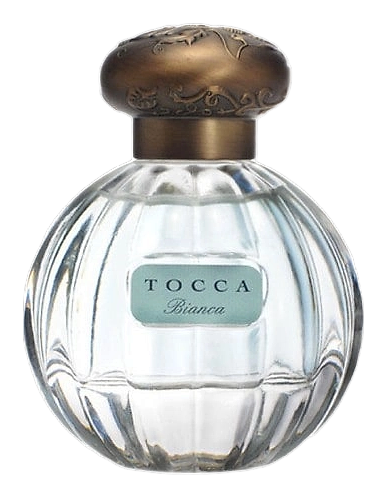
Bianca arrived in 2010 from perfumer James Bell, who built it around a single evocative image: tea time in Italy. Not the rushing espresso of a Milan morning, but the slow ritual of afternoon light, sliced citrus, and something sweet. Tocca had already established its approach by this point, each fragrance a portrait of a muse, a mood, a moment. Bianca is the afternoon. The unhurried one. Bell understood that not every composition needs to announce itself from across the room. Some scents are for the person sitting across from you, not the lobby you just left.
What makes Bianca unusual is the green tea holding the heart together. Tea notes in fragrance are common enough, but most read as mentholated or aquatic, cool, distant. Here, the green tea is soft, almost milky, a bridge between the bright citrus top and the sugared base. It prevents the usual drop-off that plagues citrus-led compositions. The tincture of rose adds a subtle botanical quality that keeps the florals from reading as powdery or detergent-adjacent. Meanwhile, the sugar note isn't frosting-it's the crystalline sweetness of sugar dissolved in hot water, dissolving slowly into the skin.
The evolution
The opening hits bright: Amalfi lemon and mandarin orange with a clean bergamot cut. The lavender is subtle here, more green than herbaceous. Within ten minutes, the green tea moves forward, dampening the citrus, turning sharp into dewy. The rose and jasmine appear around the thirty-minute mark, floating above the tea rather than competing with it. By the second hour, the sugar and musk arrive, and the composition shifts from citrus-floral to something warmer, closer to skin. It stays there. Moderate sillage means it never floods a room, but the drydown clings to pulse points for four to six hours. On fabric, it lingers into the next day as a faint sweetness, like sun-warmed linen.
Cultural impact
Bianca sits comfortably in the tradition of American-designed European-style fresh florals, fragrances that read as effortless without being boring. It has a particular following among women who want something they can wear every day without fatigue. The green tea note gives it a point of distinction in a crowded citrus-floral space, and its moderate sillage means it doesn't compete with strong perfumes in the same way it flatters those looking for something quieter.
The House
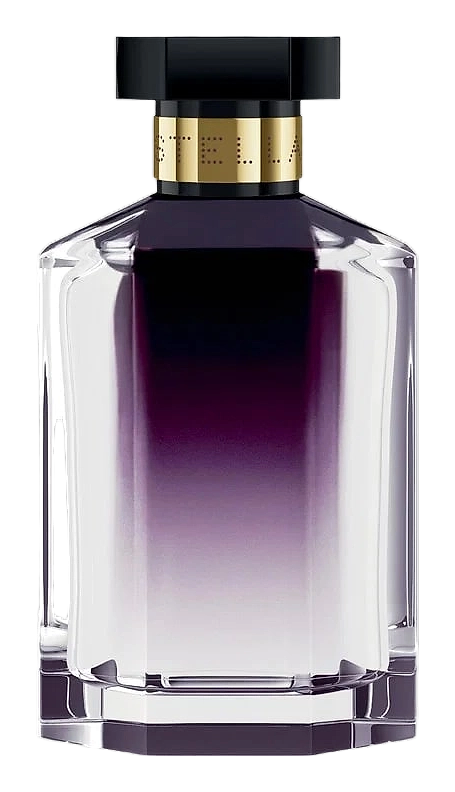
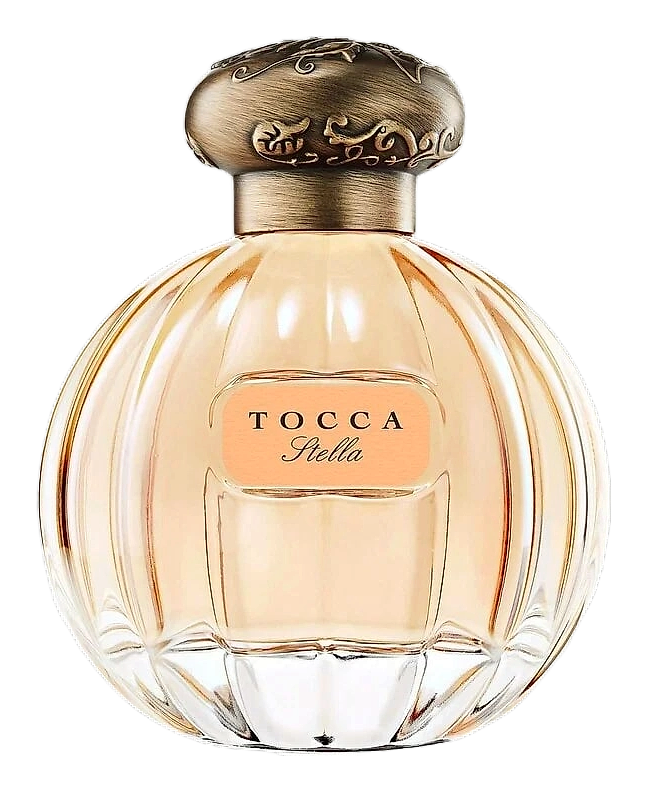
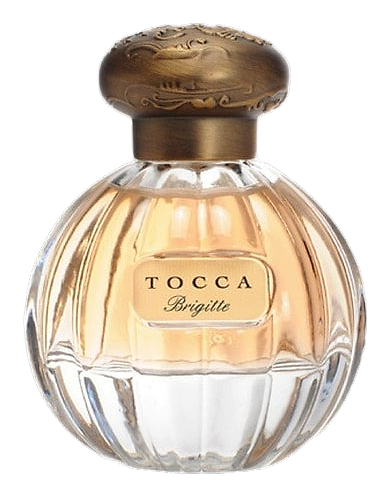
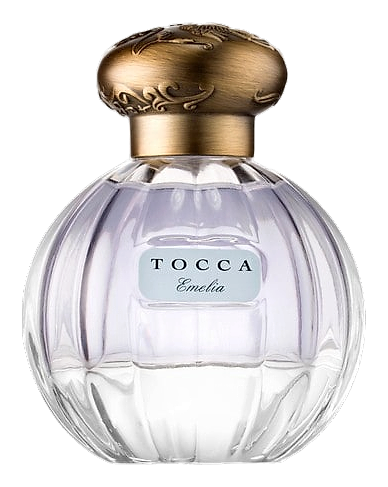
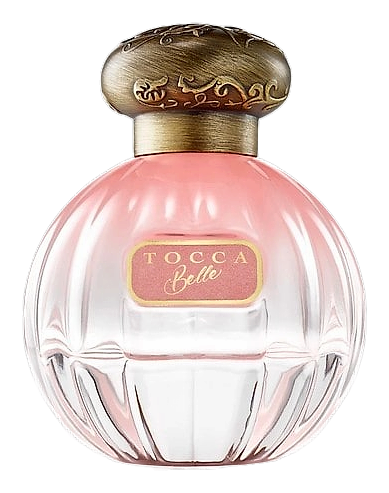
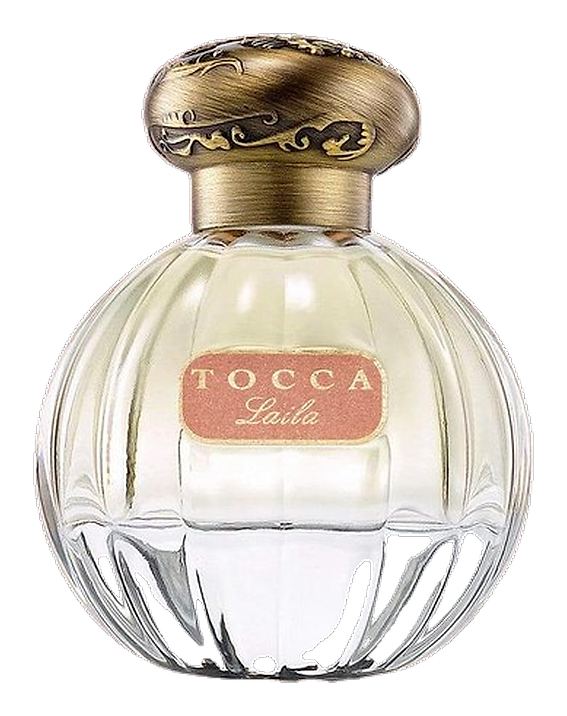
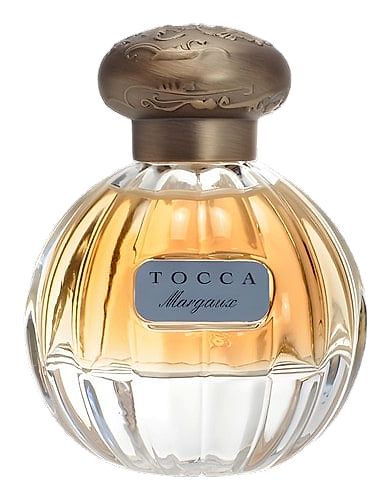
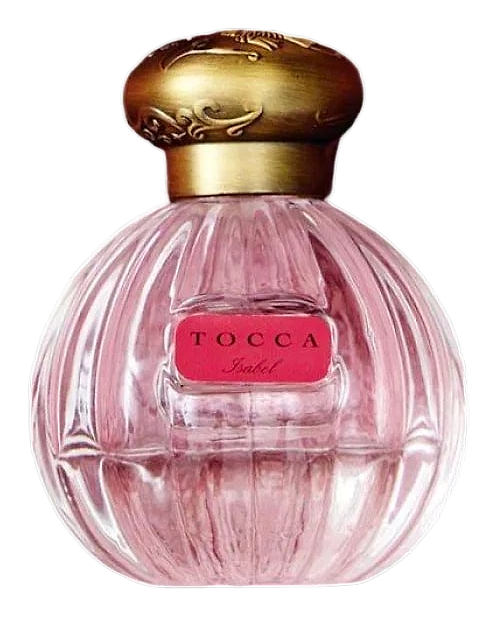
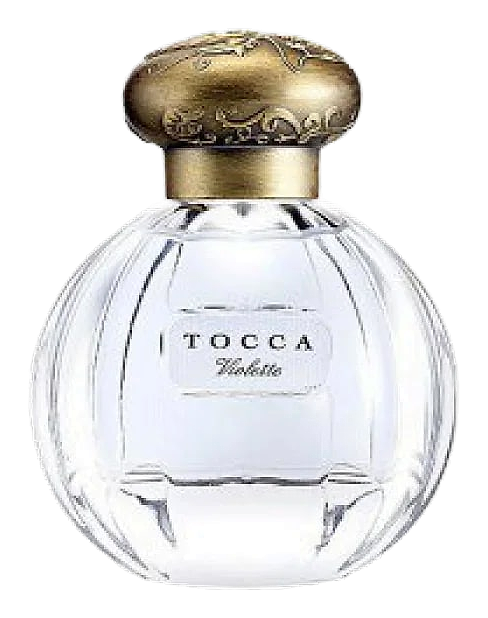
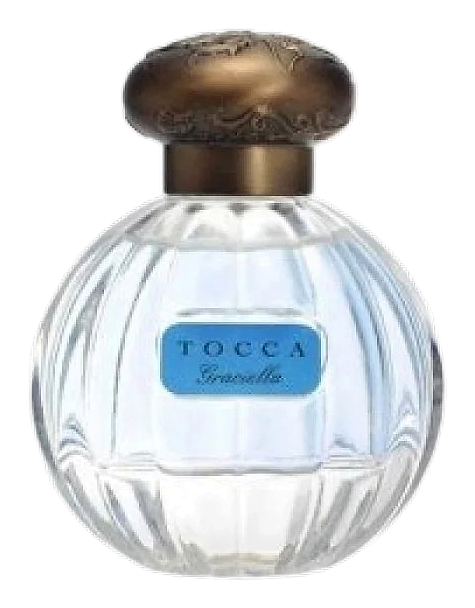
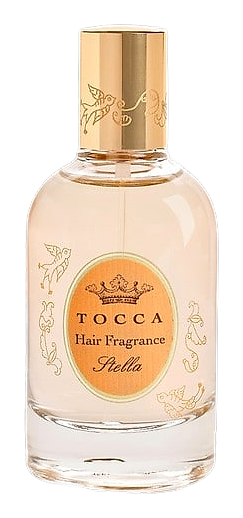
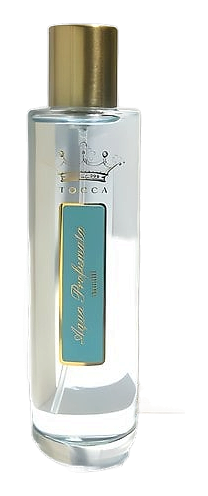
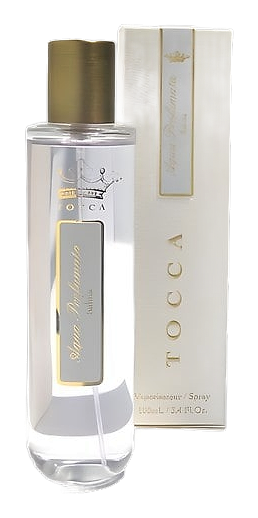
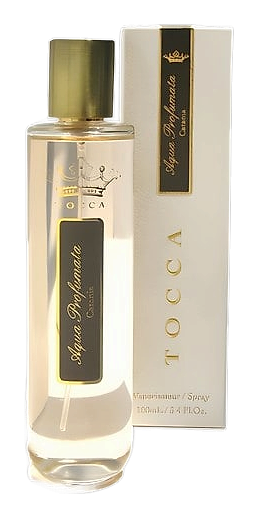
ToccaTocca began as a bohemian fashion label in New York City in the mid‑1990s and later expanded into fragrance, where it has built a steady following among women who appreciate approachable, well‑balanced scents. The house offers a range of eau de parfums, body lotions and hair mistes that often reference a single muse, a concept introduced early in its perfume line. While the brand remains U.S.‑based, its fragrances are formulated in collaboration with European perfumers and are produced in the United States, giving the collection a blend of old‑world inspiration and modern manufacturing. Tocca’s portfolio includes enduring favorites such as Stella (2006), Bianca (2010) and the Aqua Profumata series (2009), as well as newer releases like Laila (2025). The brand positions itself as a lifestyle companion, pairing scent with everyday moments rather than positioning fragrance as a distant luxury.
The Creator
James BellBell favors compositions with presence and clarity. His work spans multiple categories, from intimate feminine fragrances to bold masculine statements, often built on strong structural foundations with elegant transitions.