
Heritage
A house, in its own words
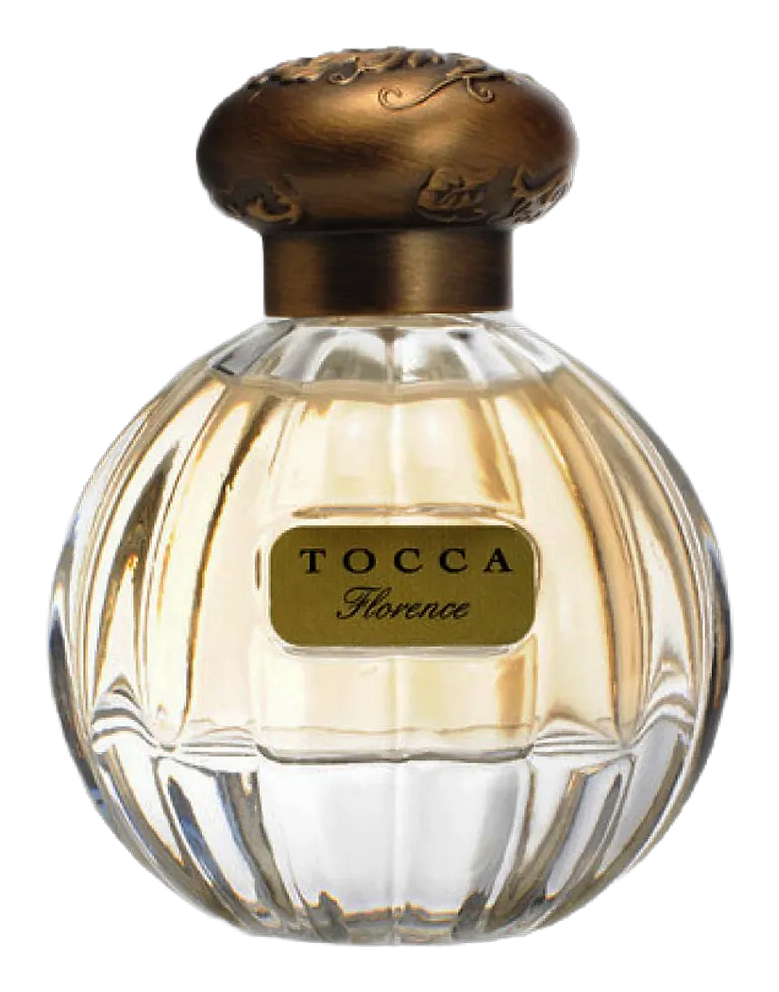
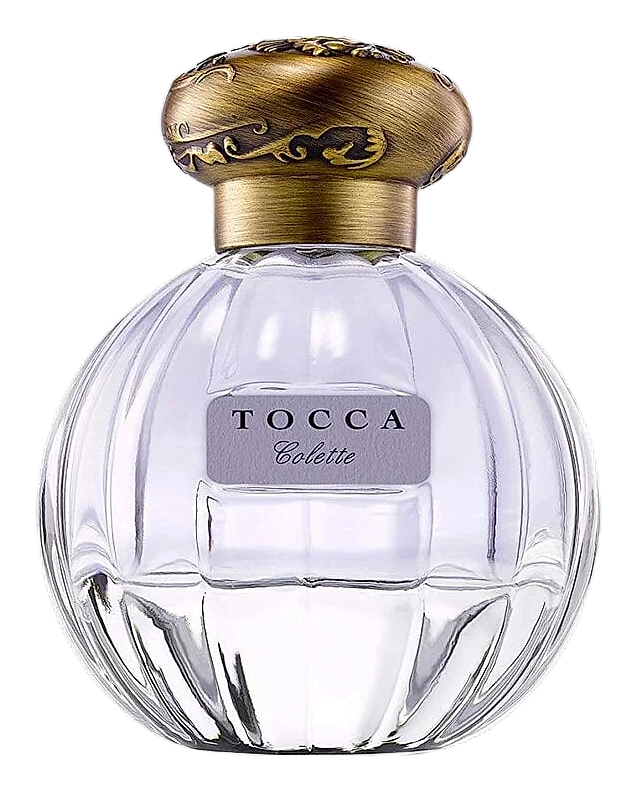
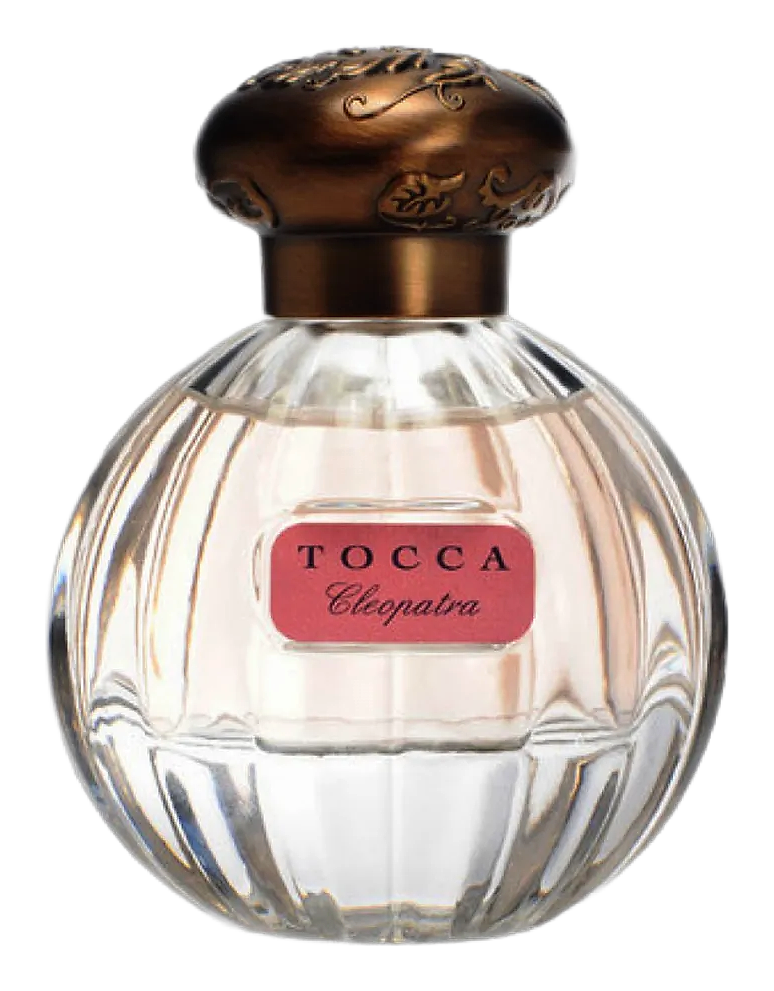
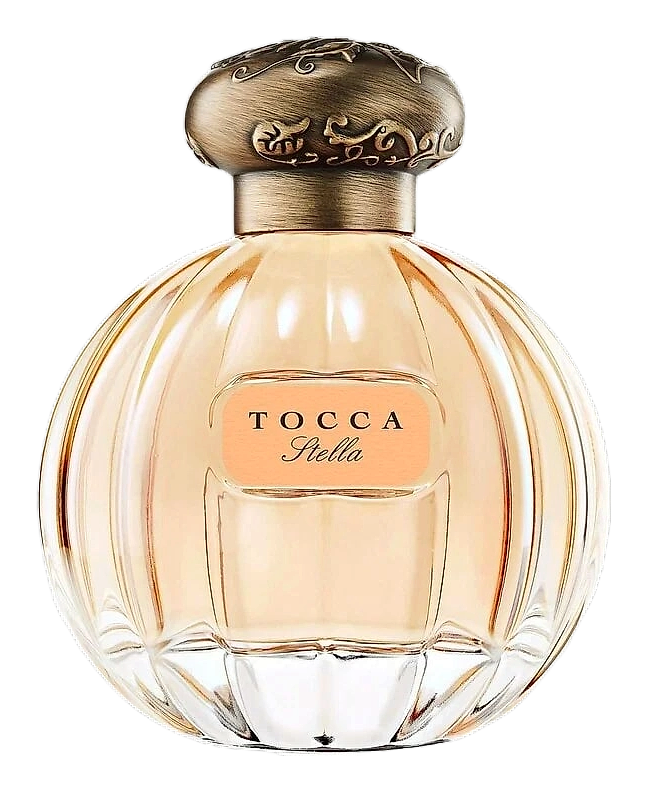
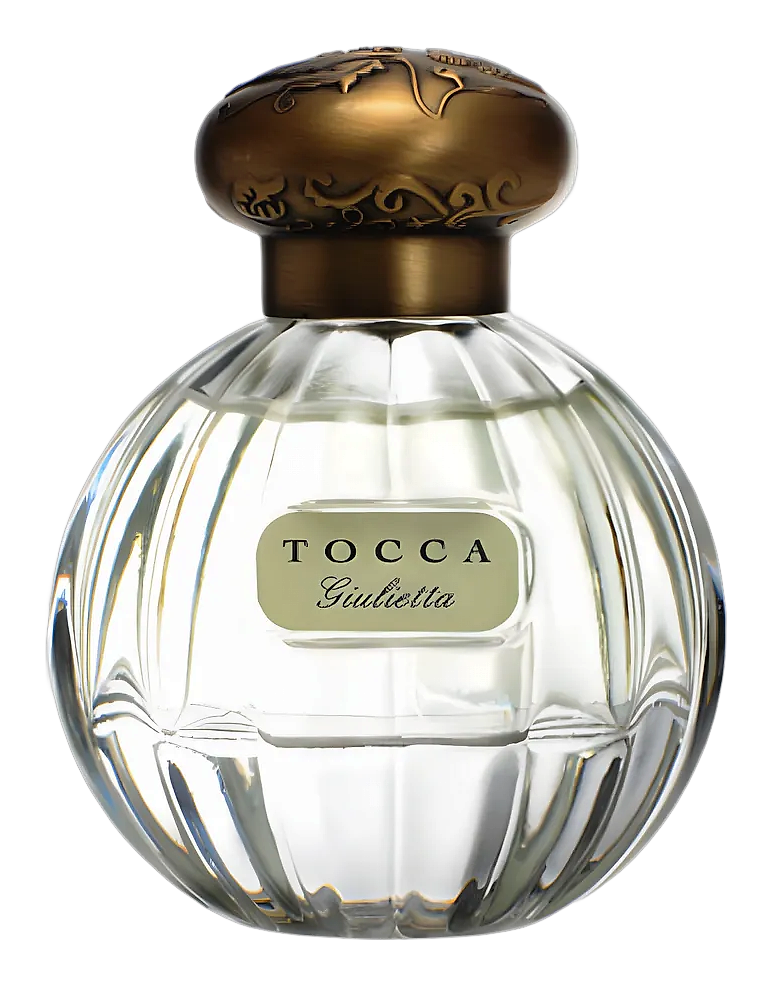
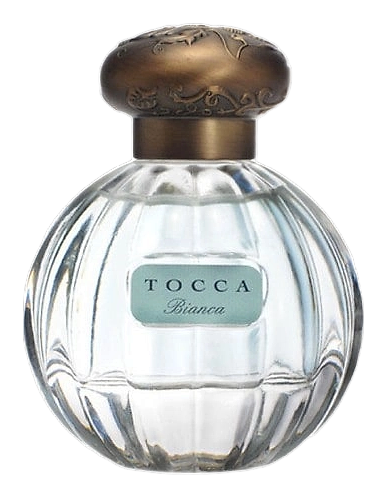
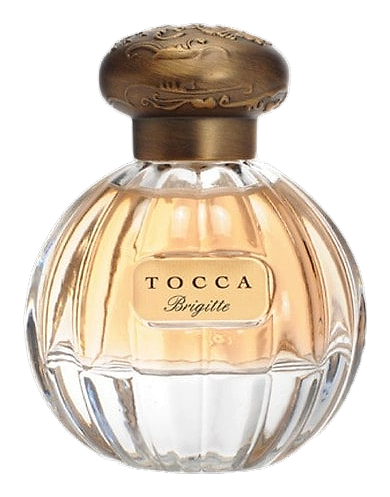
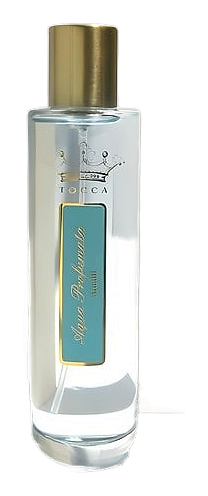
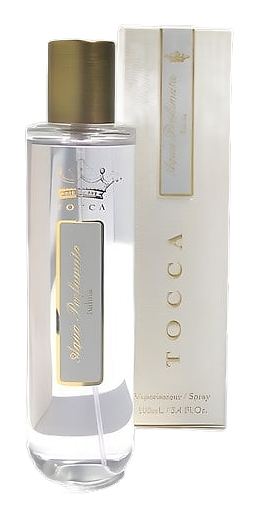
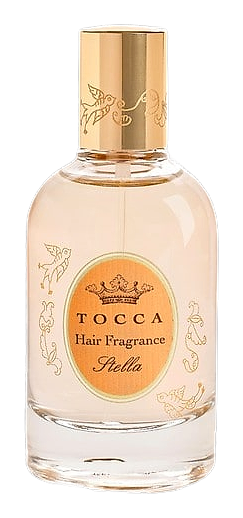
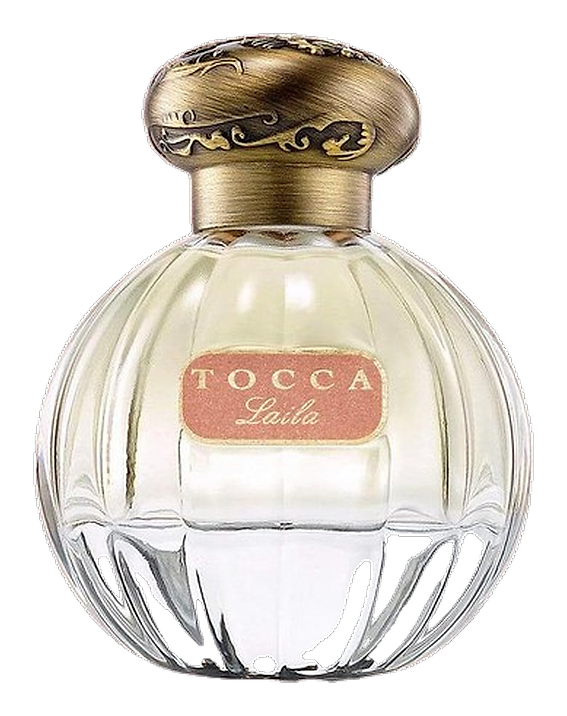
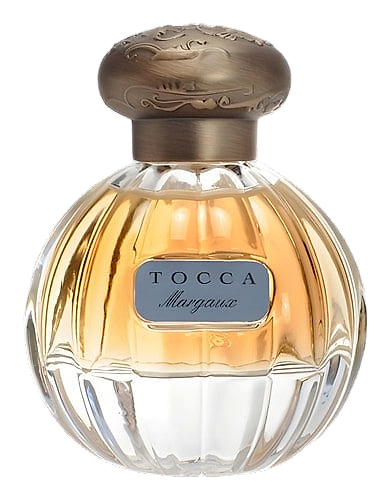
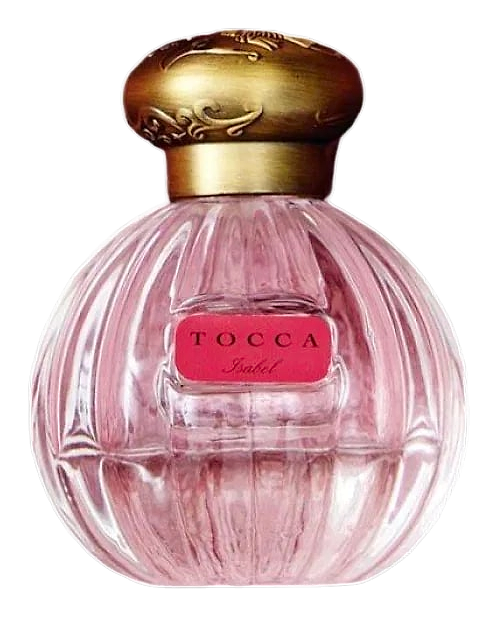
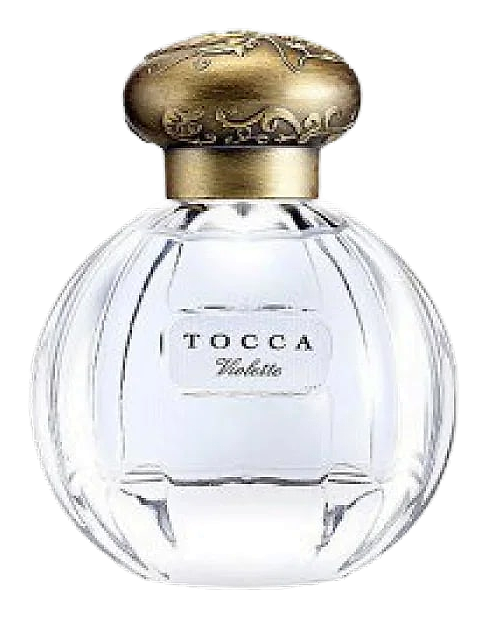
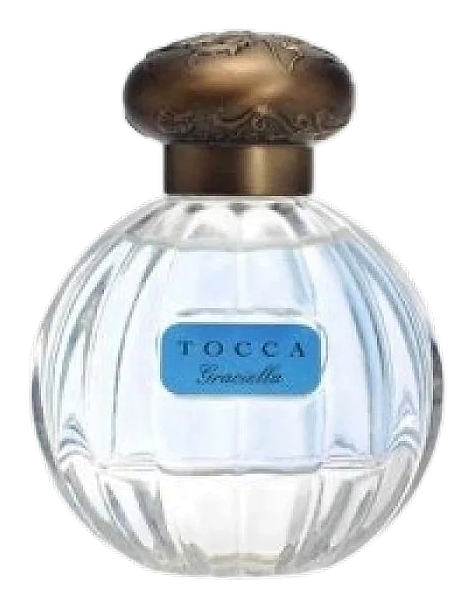
The story of Tocca starts in 1994 when designers Luca and Victoria (last name not publicly disclosed) launched a boutique that sold hand‑crafted sari dresses and other bohemian apparel in Manhattan’s SoHo district. The label quickly gained a reputation for vibrant prints and a relaxed, artistic vibe. By the early 2000s the founders saw an opportunity to translate the brand’s aesthetic into scent, a move that coincided with a broader trend of fashion houses entering the fragrance market. In 2006 Tocca released its first perfume, Stella, a floral‑citrus composition that was marketed as a tribute to a muse named after the Latin word for star. The launch was modest, with distribution limited to specialty retailers and the brand’s own boutiques. In 2009 the house expanded its olfactory portfolio with two water‑inspired scents, Aqua Profumata Amalfi and Aqua Profumata Salina, both of which emphasized marine notes and a light, breezy character. The same year saw the introduction of Brigitte and Colette, two feminine fragrances that reinforced the brand’s focus on personal storytelling. 2010 brought Bianca, a soft, powdery scent that quickly became a staple in the brand’s core lineup. The next milestone arrived in 2015 with Isabel, a more complex floral‑oriental that demonstrated Tocca’s willingness to explore richer compositions while still maintaining wearability. In 2017 the company entered the hair‑care fragrance niche, launching the Stella Hair Fragrance and the Florence Hair Fragrance, products designed to extend the perfume experience beyond skin. Throughout the 2020s Tocca continued to release limited‑edition scents and seasonal collections, often naming each perfume after a woman who inspired the creator. The most recent addition listed in public sources is Laila (2025), a scent that reportedly draws on Middle‑Eastern floral accords. While the brand has never claimed industry awards, it has maintained a consistent presence in boutique fragrance retailers and online niche‑fragrance platforms, building a reputation for reliable, approachable scents that suit everyday wear. Tocca frames each fragrance as a tribute to a specific muse, a concept that guides both naming and scent development. The brand’s creative brief typically starts with a portrait of the muse—her personality, style and environment—then translates those attributes into aromatic ingredients. This approach reflects a belief that scent can capture a moment or character as clearly as a photograph. Tocca also emphasizes accessibility; the formulas aim for balance rather than extremity, allowing the wearer to layer the perfume with everyday activities without overwhelming the senses. The company states that it draws inspiration from old‑world elegance while staying rooted in contemporary American lifestyle, a duality that appears in its marketing language and product design. Sustainability is mentioned in passing on the brand’s website, noting that packaging materials are recyclable and that the company prefers responsibly sourced raw materials when possible. The overall philosophy prioritizes consistency, personal connection and a sense of quiet confidence rather than overt glamour.