Ellen Molner
Ellen Molner built her career the old-fashioned way: one raw material at a time. She entered the industry in the late 1970s through Roure Bertrand Dupont's rigorous in-house training program in New Jersey, the institution that would eventually become the Givaudan Perfumery School. This was not the era of instant perfumery stardom. Trainees spent years memorizing hundreds of ingredients, learning to identify naturals versus synthetics blindfolded, and understanding how a formula behaves when scaled from lab bench to factory vat. Molner thrived in this environment. Her early years coincided with a fascinating transitional period in American perfumery. The clean, sporty masculines of the 1980s were giving way to something more complex, and Molner found herself working across multiple houses as the industry consolidated. She spent time at IFF, Haarman & Reimer, Mane, and Quest International before eventually returning to Givaudan, where she now serves as Vice President and Executive Perfumer. In 2009, the American Society of Perfumers recognized her contributions with a Lifetime Achievement Award at their 55th annual symposium in Manhattan. It was a fitting acknowledgment for someone who had spent three decades quietly shaping the olfactory landscape of American fragrance.
The hits
Notable creations
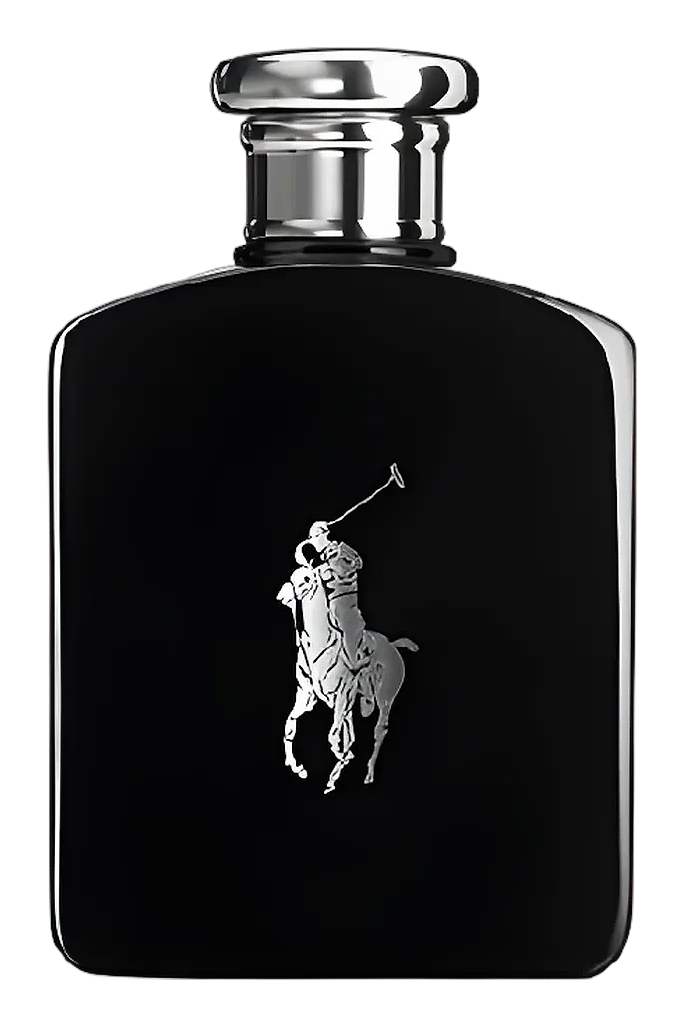
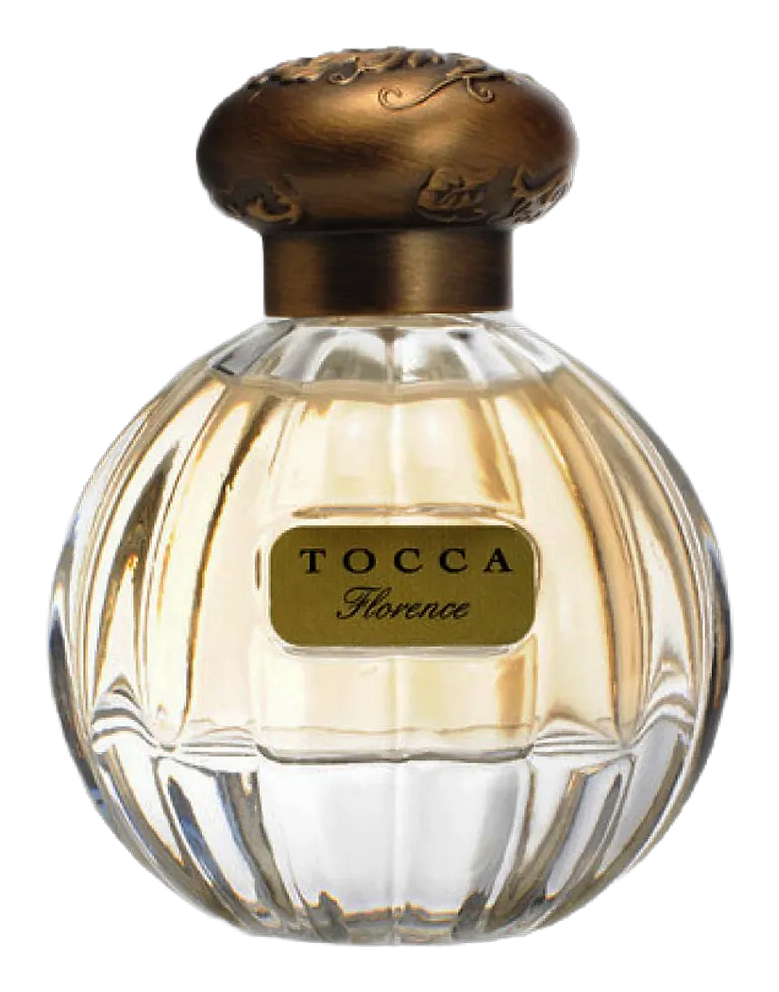





The signature
How Ellen composes
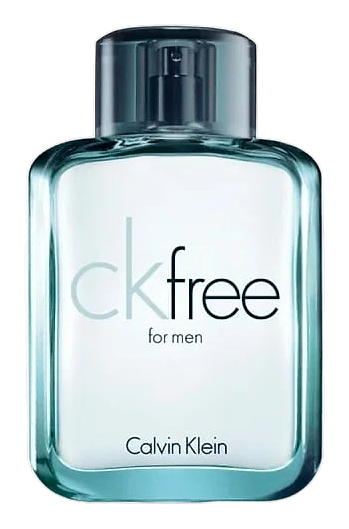
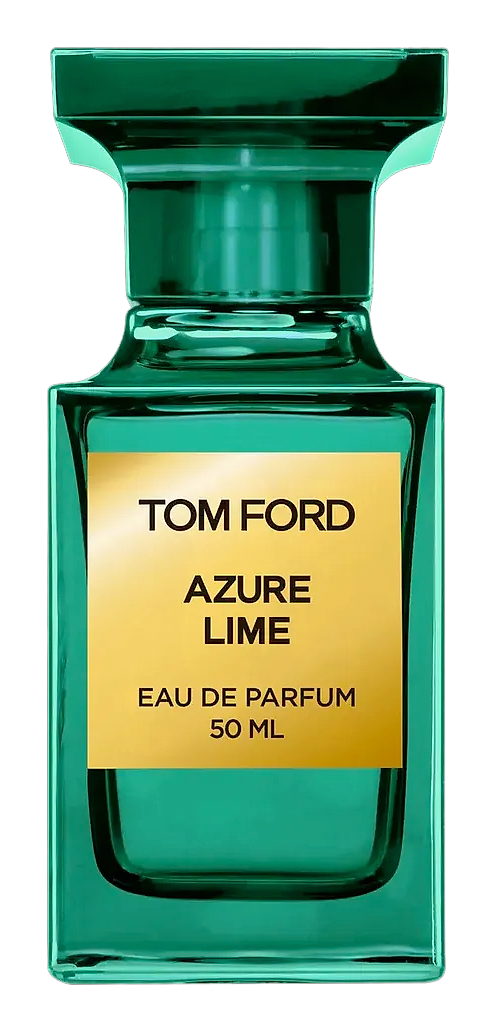
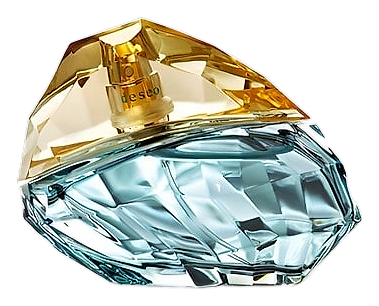
Her olfactive fingerprint is difficult to pin down, and that is precisely the point. Molner is a versatile commercial perfumer who moves between masculine and feminine codes with ease. She has created everything from the crisp, aromatic freshness of CK Free to the tropical warmth of Jennifer Lopez Deseo and the sophisticated lime-wood structure of Tom Ford Azure Lime. What unites her work is technical precision and an innate sense of what will sell. She favors clean lines over baroque complexity. Her masculines tend toward the fresh-woody spectrum that dominated American men's fragrance for two decades. Her feminines often incorporate fruity-floral elements rendered with enough transparency to feel contemporary. She is particularly adept at working within the constraints of mass-market budgets, creating fragrances that smell more expensive than their price points suggest. Her use of synthetic musks and modern woody amber bases helped define the signature of American mainstream perfumery from the 1990s through the 2010s.
Philosophy
What drives Ellen
Molner's approach to composition reflects her classical training. She believes in the power of understanding materials at a molecular level before attempting artistic expression. This is not perfumery as abstract art. It is craft elevated through decades of disciplined practice. She has spoken about the importance of translating complex emotions into sensory experiences that consumers can immediately grasp. Her work tends to prioritize wearability and broad appeal without sacrificing technical sophistication. There is a distinctly American pragmatism to her philosophy. A fragrance must work on skin, in real life, through an entire day. It is not enough to smell beautiful in a blotter. Molner's creations are designed to live with people, to become part of their routines and memories. She approaches each brief as a puzzle: how to satisfy the marketing team's demographic targets while still creating something that feels personal and alive.
The houses