
Heritage
A house, in its own words
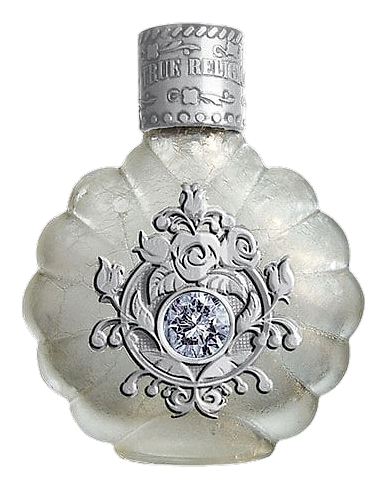
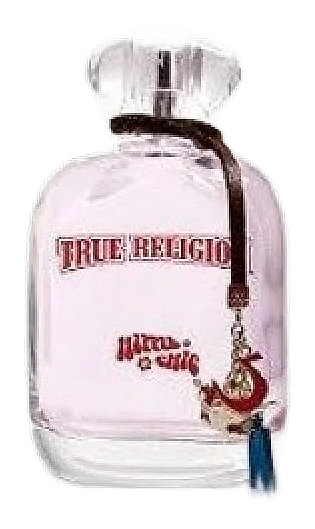
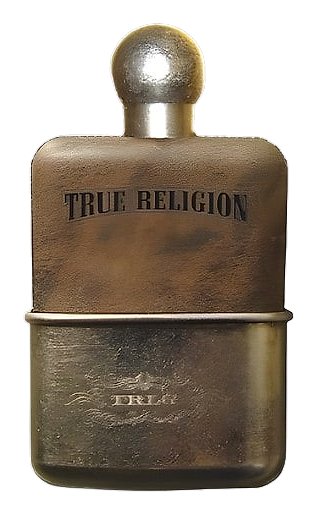
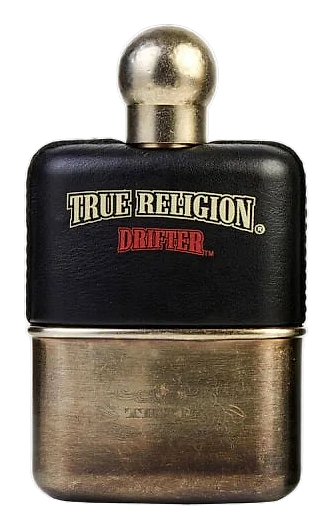
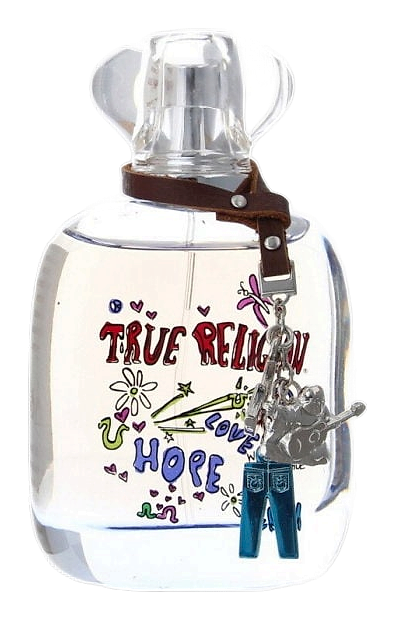
True Religion emerged from the premium denim boom of the early 2000s when founders Jeffrey Lubell and Kym Gold, a fashion designer, established the brand in Vernon, California. Lubell, described in industry profiles as an industry veteran, and Gold built the company around a distinctive product differentiation: denim featuring an oversized horseshoe stitch that mimics a seated Buddha figure, rendered in contrasting orange thread across the back pockets. The design immediately set True Religion apart from conventional denim brands and contributed to rapid brand recognition. The company grew from its Southern California base to become a notable name in premium casual wear, expanding beyond jeans into shirts, jackets, and accessories. In 2008, True Religion entered the fragrance market through a licensing arrangement with Elizabeth Arden, a major player in beauty licensing that at the time held multiple fashion fragrance licenses including Ed Hardy and BCBGMAXAZRIA. The 2008 women's fragrance, developed by perfumer Rodrigo Flores-Roux, was described as a fruity floral composition and established the brand's olfactory identity. Subsequent fragrance releases expanded the line through the late 2000s and early 2010s, targeting both genders with accessible scent profiles aligned with the brand's casual positioning. The company faced financial challenges in subsequent years, restructuring its debt, though it maintained its retail presence and brand identity in the denim market. True Religion approached fragrance as an extension of its clothing identity, translating the brand's casual California aesthetic into wearable scents. The philosophy centered on accessibility and everyday wearability rather than haute perfumery ambition. Each fragrance release carried a thematic name reflecting broader lifestyle associations: Hippie Chic evoked the free-spirited California counterculture, Drifter suggested wanderlust and movement, and Love Hope Denim expressed the brand's core product connection with emotional resonance. The brand's approach to fragrance mirrored its denim philosophy of taking something familiar and elevating it through distinctive design and quality materials. True Religion fragrances were positioned in the accessible designer segment, making them approachable for consumers drawn to the clothing brand's visual identity. The brand avoided complex, niche-oriented olfactory constructions in favor of compositions that translated easily to daily use, consistent with the casual West Coast sensibility that defined the parent company.