The Story
Why it exists.
The beginning
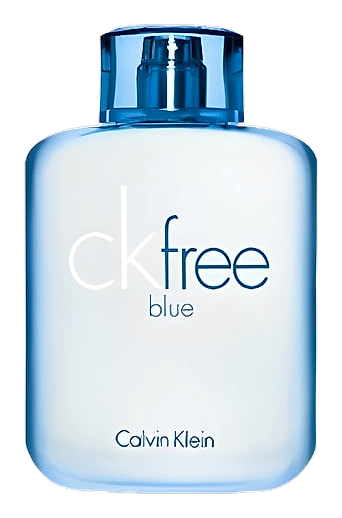
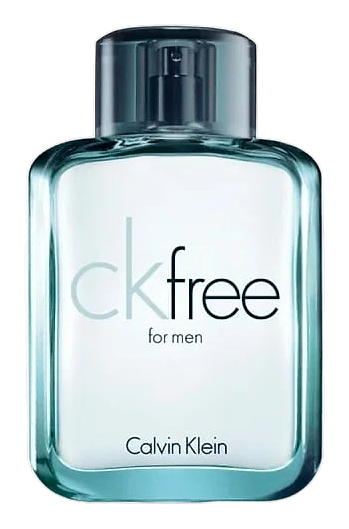
CK Free arrived in 2009 as part of Calvin Klein's effort to build a fragrance for the guy who wanted something with actual character, not another forgettable aquatic, not a heavy sillage machine. Rodrigo Flores-Roux and Ellen Molner constructed it around a green-anise tension: absinthe and star anise opening that announces itself before asking permission, then handing off to a suede-tobacco heart that feels warmer, more worn-in. The name says it all. This is freedom, not in the loud, room-filling sense, but in the sense of not having to overthink what you're wearing.
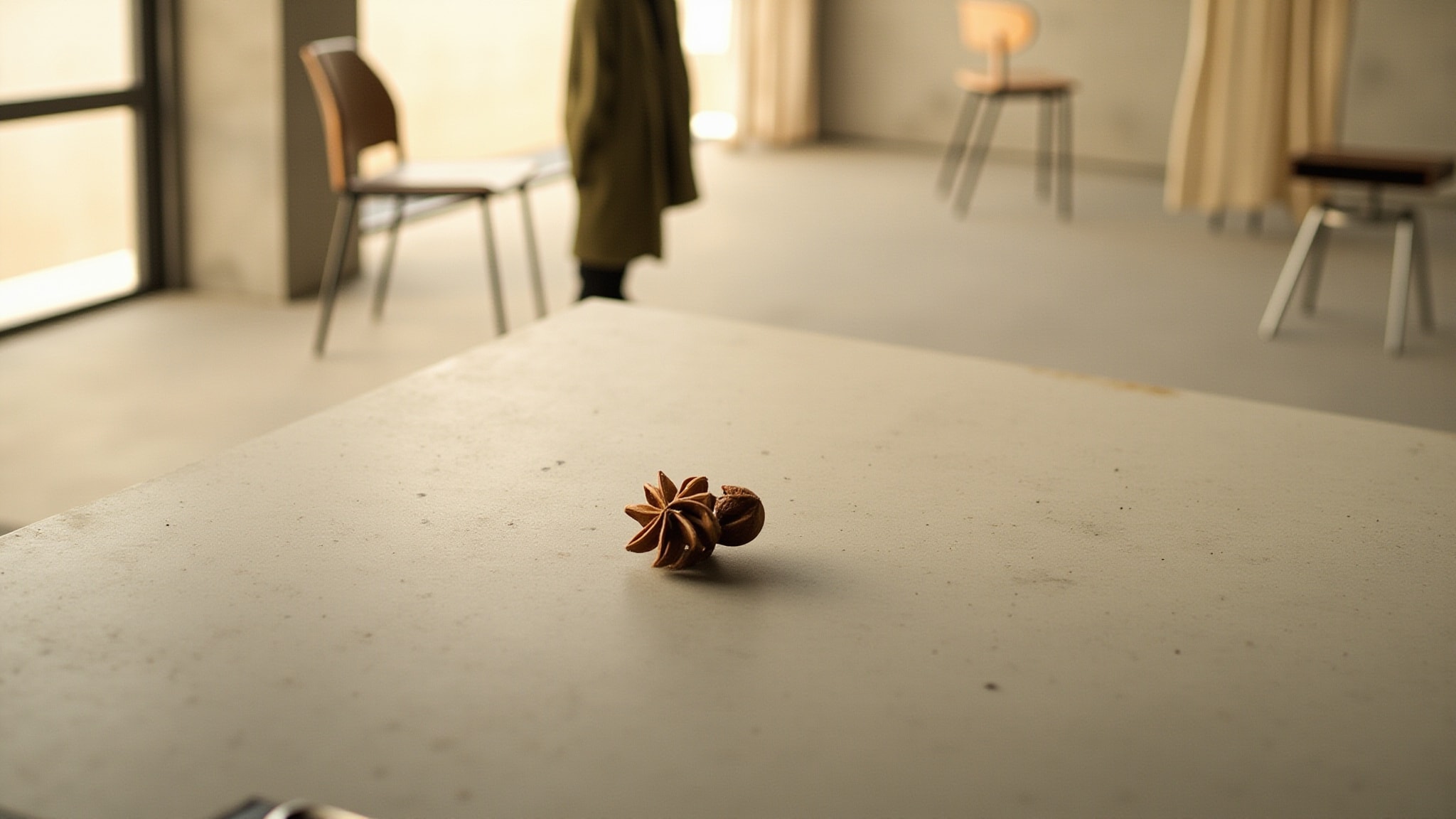
The combination of absinthe and star anise at the top is genuinely unusual for a mass-market masculine EDT. Most Western fragrances lean citrus or aquatic at the opening; the anise note signals something with more edge, more personality. Jackfruit adds a tropical sweetness that keeps the green bite from becoming medicinal. At the heart, suede is the quiet workhorse, that soft, worn texture that makes the whole composition feel inhabited rather than sterile. Coffee and tobacco add warmth without sweetness. The result is a fragrance that opens with confidence and settles into something genuinely wearable.
The evolution
CK Free follows the arc of a scent that arrives and then steps back. The absinthe and star anise open sharp and clear, that distinctive black licorice quality that announces presence before asking permission. Within minutes the juniper and jackfruit soften the edges, introducing something rounder and fruitier beneath the anise. The heart phase belongs to suede, that soft, worn texture that reads warm and intimate rather than loud. Coffee and tobacco add quiet depth underneath. By the base, the anise has mostly dissipated, leaving cedar and patchouli to ground things into a clean, dry woodiness that stays close to the skin. Ironwood and oak complete the drydown, present but restrained, the kind of finish that lingers only if you're pressing your wrist to your nose.
Cultural impact
CK Free occupies a quiet corner of the fragrance world, not a collector's obsession, not a cultural flashpoint. It appeals to the practical side of the market: someone who wants an easy, approachable scent without overthinking it. The anise-forward opening distinguishes it from the endless aquatic lineup, but the moderate sillage keeps it accessible rather than challenging. It's the fragrance people reach for when they don't want to make a statement, which is, in its own way, a statement.