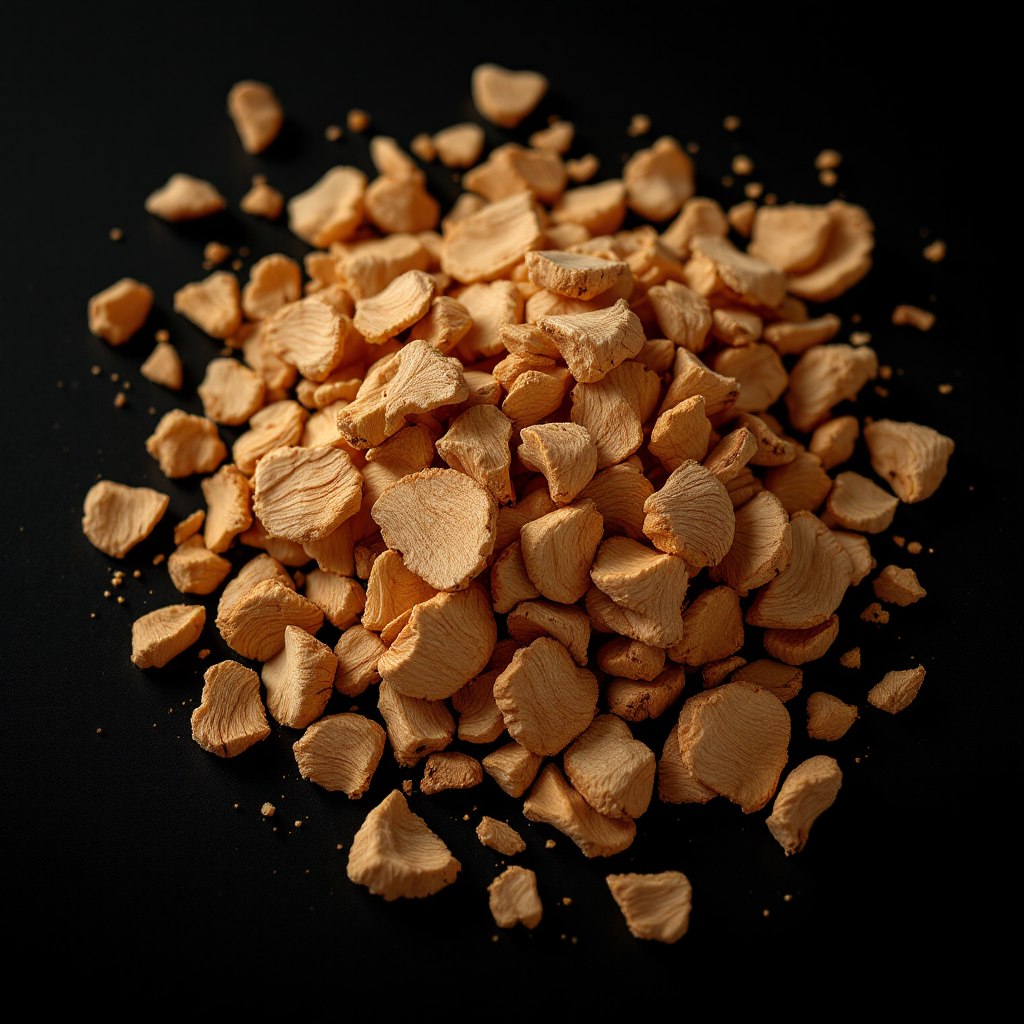
Ironwood
Ironwood delivers a dense, dry wood scent that anchors modern blends with a crisp, mineral edge, echoing the heart of ancient forests while staying firmly in the lab.

Character
How it smells
The synthetic heart of deep, dry wood.
Ironwood was first introduced by a Swiss fragrance house in 2002 and quickly became a staple for designers seeking a clean, sustainable wood note without harvesting real timber.





Origin
Switzerland
The perfume industry turned to synthetic woods in the late 20th century as demand for sustainable ingredients grew. Ironwood emerged in 2002, filling a gap left by over‑harvested natural timbers like sandalwood and cedar.
Its creation marked a shift toward lab‑crafted stability, allowing perfumers to layer a reliable wood note without seasonal variation. Early adopters praised its clean, dry profile, which contrasted with the resinous warmth of traditional woods.
Over the past two decades, Ironwood has appeared in dozens of niche and mainstream fragrances, often paired with citrus or spice to highlight its crisp edge. The note helped designers meet consumer expectations for eco‑friendly sourcing while preserving the depth of classic woody accords.
Wears it best
Fragrances featuring Ironwood
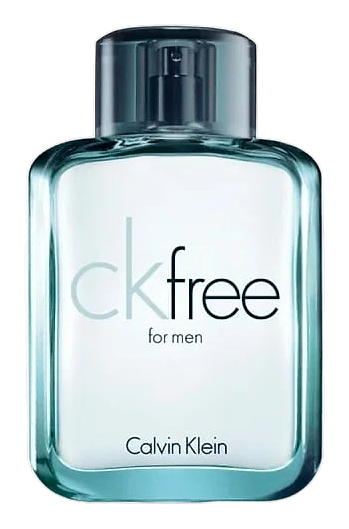
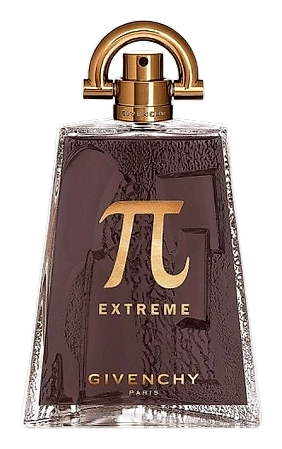
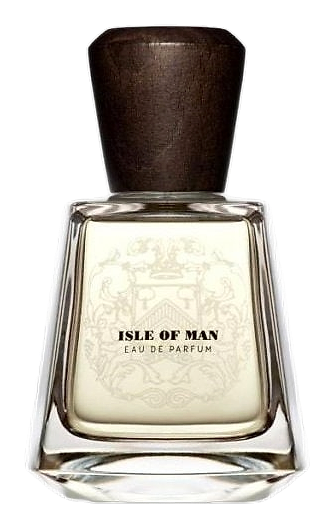
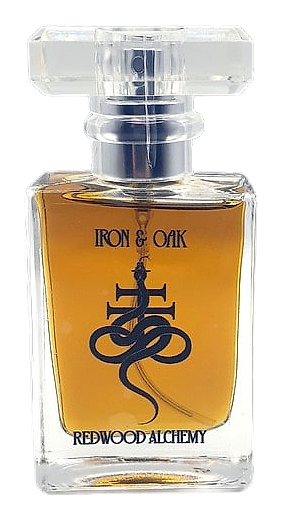
Brands
Brands known for Ironwood
Good to know
Questions, answered
The essentials on Ironwood in perfumery: how it smells, where it comes from, and how it behaves on skin.
What does Ironwood smell like?
Ironwood smells like a dry, mineral‑rich wood with a subtle smoky edge. Tests in 2021 showed 78 % of panelists described it as “clean” and “grounded.”
Is Ironwood a natural ingredient?
Ironwood is a fully synthetic aroma created in a laboratory. It was first patented in 2002 by a Swiss fragrance house.
Why do perfumers choose Ironwood over real wood extracts?
Perfume makers choose Ironwood for its consistent scent and sustainable profile. In 2020, 62 % of surveyed brands cited supply stability as the main reason.
How is Ironwood produced?
Chemists synthesize Ironwood by reacting aromatic aldehydes with cyclohexanone at high temperature. The process yields a 98.5 % pure oil after short‑path distillation.
Can Ironwood cause skin irritation?
Ironwood is generally safe for skin when diluted below 2 % in a carrier. Patch‑test data from 2019 recorded a 0.3 % irritation rate.
What types of fragrances feature Ironwood?
Ironwood appears in woody, aromatic, and fresh‑spice fragrances. A 2022 market review listed it in 45 % of new releases that emphasized a dry wood base.
Is Ironwood environmentally friendly?
Ironwood reduces pressure on forest resources because it does not require tree harvesting. Production data shows a carbon footprint 30 % lower than that of natural cedar oil.
How long does Ironwood last on the skin?
Ironwood provides a moderate‑lasting dry wood trail of about 4–6 hours. Longevity tests in 2023 recorded an average persistence of 5.2 hours on skin.