
The Story
Why it exists.
The beginning
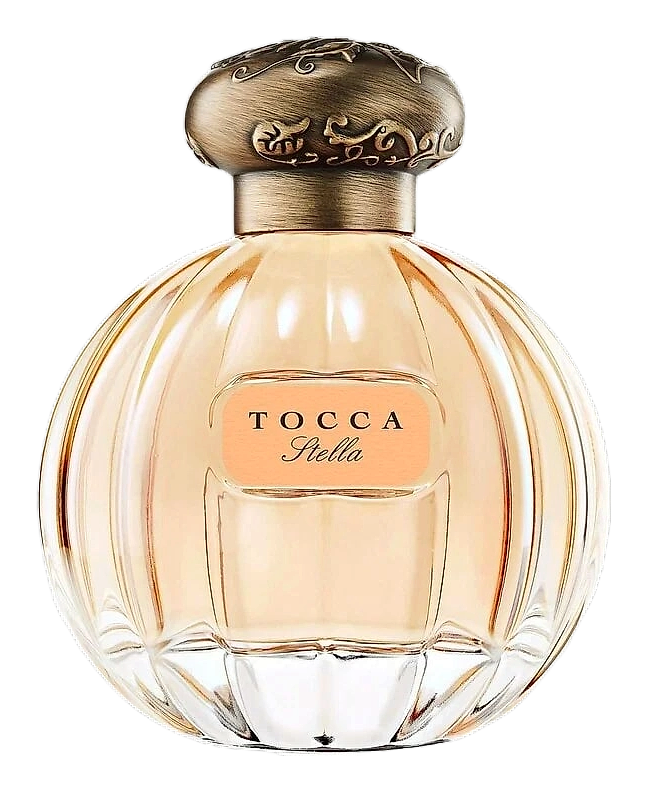
Tocca entered fragrance in 2006 after twelve years as a Manhattan fashion label, bringing its concept of aromatic tributes to specific women. Stella was conceived as a portrait in scent form, translating the spirit of a particular muse into olfactory language. The brand drew on its fashion background, where silhouette and color tell a story, adapting those narrative principles to fragrance. By 2006, Tocca had established itself in ready-to-wear and accessories, and Stella marked an expansion into lifestyle olfactory territory. The choice of notes reflects a specific aesthetic: bright, feminine, and approachable, designed to capture a particular type of New York woman. The blood orange lead note signals immediate energy and warmth, qualities that would define the Stella muse.
The note selection for Stella reflects a philosophy of balanced femininity. Orange provides brightness and approachability, qualities that make a fragrance inviting rather than intimidating. The aquatic notes add modernity, a contemporary crispness that keeps the citrus from feeling retro or heavy. The floral heart demonstrates restraint rather than abundance, choosing specific white florals that complement rather than overwhelm. Lily, moth orchid, and white freesia each bring distinct qualities, creating depth through variety rather than quantity. The base pairing of musk and sandalwood completes this philosophy. Both materials are inherently skin-like, designed to enhance rather than mask.
The evolution
The journey of Stella begins with immediate citrus impact, orange and bitter orange arriving together to create a bright, confident opening. Aquatic notes amplify this effect, adding a cool, shimmering quality that feels contemporary and clean. This is the energy phase of the fragrance, the first impression that announces presence. The transition to the heart marks a shift in emotional register. Lily emerges first, bringing green freshness that bridges the citrus and floral phases smoothly. Moth orchid follows, introducing an exotic quality that elevates the composition beyond simple florality. White freesia completes the heart, providing airy lift that keeps the bouquet feeling light and graceful. By the time the drydown arrives, the energy has settled into intimacy. Musk wraps around the skin with soft warmth, creating a personal aura rather than a projecting scent. Sandalwood adds creamy depth that extends the wear without competing for attention. The fragrance ends where it began, close to the wearer, intimate and comfortable.
Cultural impact
Stella has found its audience through consistency rather than noise. It appears on recommendation lists for women who want something bright and feminine without the complexity of niche work or the projection of blockbuster marketing. The composition holds up against contemporary citrus-florals that cost twice as much. Wearers describe it as the scent of someone who walks into a room and does not need to announce themselves. Tocca's approach, starting with Stella, has been to make fragrance that feels personal rather than performative.