The Story
Why it exists.
The beginning
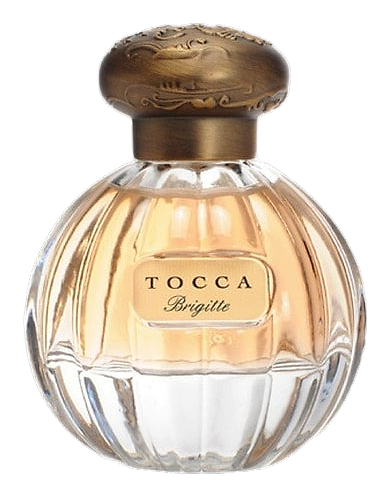
Tocca named Brigitte for Brigitte Bardot, the French actress who made sensuality look effortless. Not performed, not calculated. Just a woman who happened to walk into rooms and change their temperature. The brand tasked perfumers Antoine Lie and Sonia Constant with capturing that specific energy: someone who doesn't try to be magnetic but is, anyway. Released in 2009, the fragrance draws from Bardot's Mediterranean surroundings, her feline allure, and the kind of confidence that comes from not needing anyone to notice. The composition started with contrast: tropical fruit against spice, sweetness against warmth. Lie and Constant built outward from papaya and rhubarb, bright, almost juicy, then introduced ginger and saffron for heat, Moroccan rose for depth, and finished with sandalwood and musk. The result doesn't smell like a homage to the past. It smells like someone wearing it now, for herself.
What makes Brigitte distinctive isn't any single ingredient, it's the conversation between them. Papaya brings a lactonic sweetness that most fragrances avoid because it can tip into sunscreen territory. The perfumers kept it grounded with rhubarb's tartness and ginger's clean heat, creating a tropical opening that never goes full beach. The iris in the heart is doing quiet work. It provides the powdery softness that arrives after the fruit and spice settle, bridging the juicy opening and the woody base. Sandalwood then extends that softness into a long, creamy drydown. The structure is essentially three acts: bright, warm, powdery, each one arriving on time, none of them fighting for attention.
The evolution
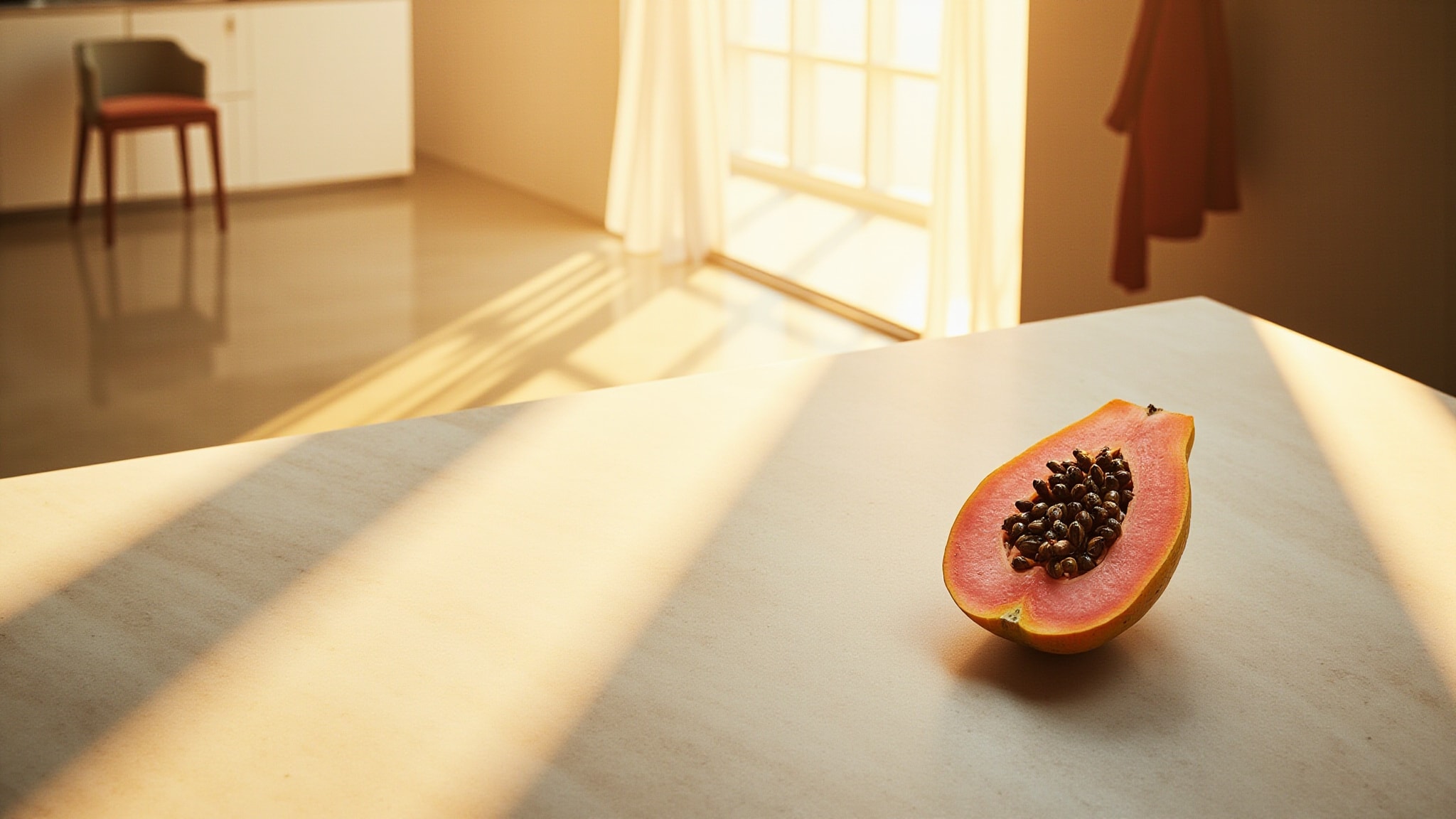
The first thirty minutes belong to papaya. Sweet, slightly tart, with a creaminess underneath that reads tropical without being obvious. Rhubarb adds a green edge, keeps the sweetness from cloying. Then the ginger arrives, not as a shout but as a steady warmth. The hand-off from fruit to spice happens smoothly; you won't catch the exact moment. By hour two, the rose emerges. It's not a rose that announces itself, more like the memory of one, softened by iris and the early drydown. The saffron contributes a faint leather-and-spice quality that adds dimension without heaviness. By hour four, the sandalwood and musk have taken over. The fragrance sits close to the skin now, intimate and warm. On fabric, it lingers longer, you'll find traces the next morning, faded to a quiet powdery warmth that still smells intentional.
Cultural impact
Brigitte has spent years as a quiet cult favorite, the kind of fragrance people discover by accident and then seek out specifically. It's not a statement scent or a crowd-pleaser. It's the fragrance someone reaches for when they want to smell like themselves: warm, feminine, unforced. The papaya opening gives it a point of view that stands apart from the rose-dominant florals that dominated the late 2000s market. Wearers describe it as the fragrance that converted them to Tocca as a house.
The House
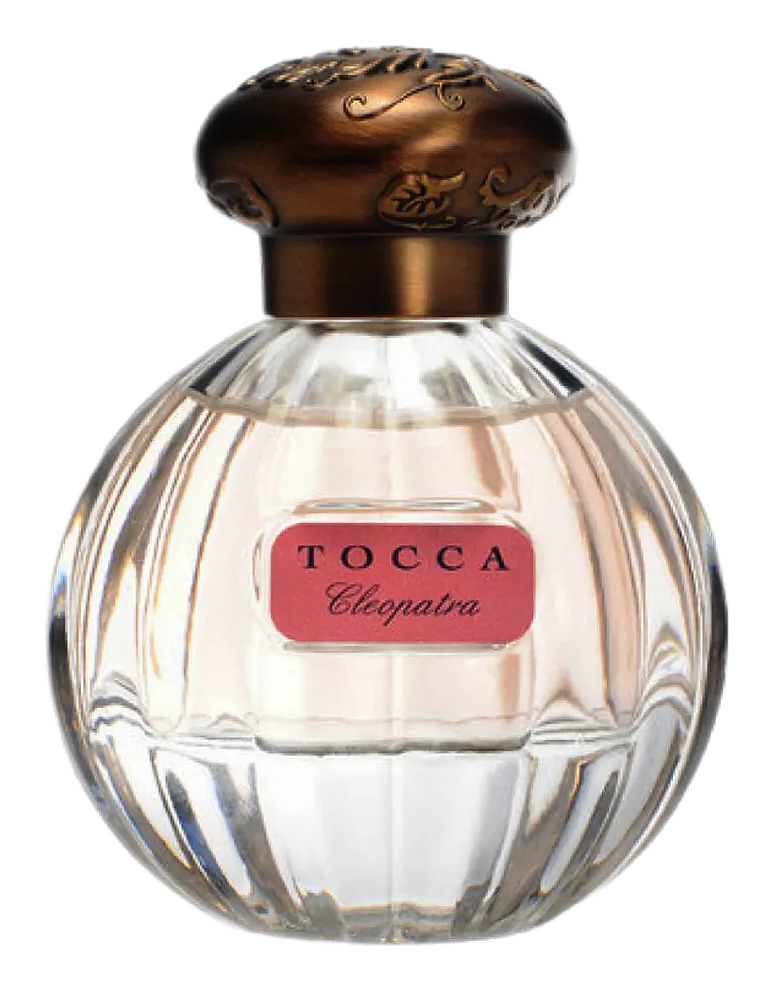
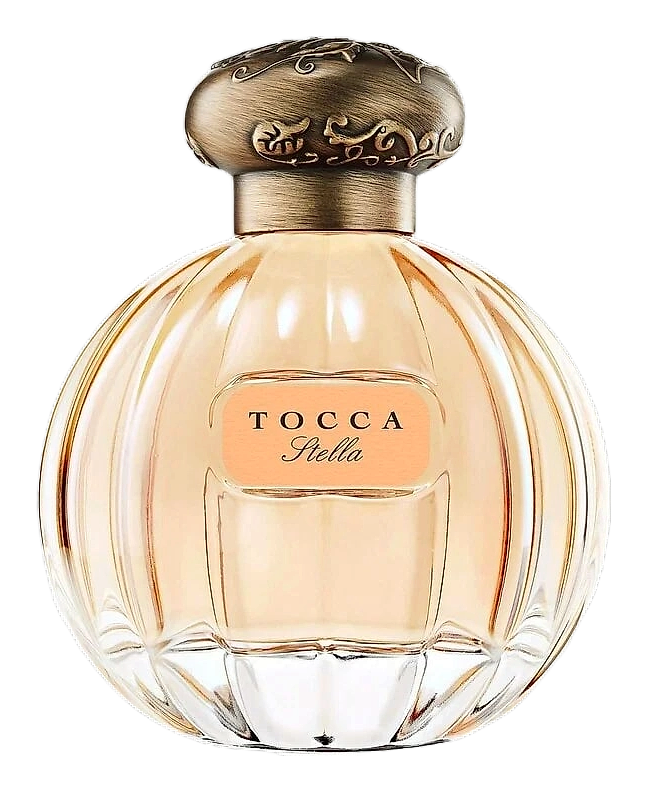
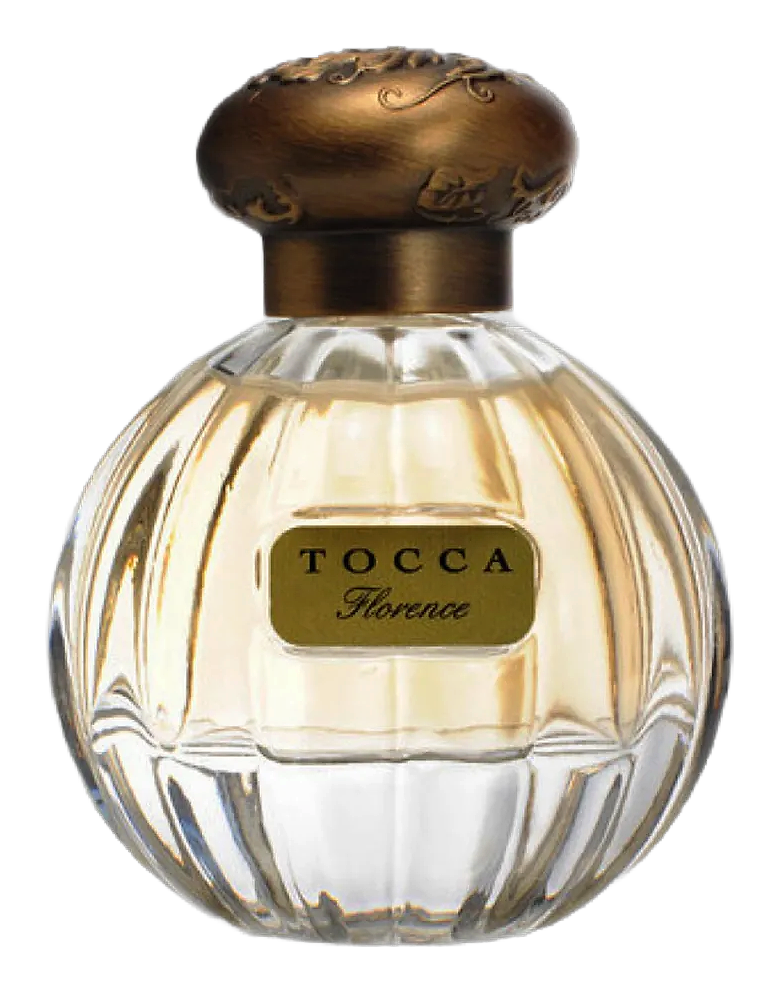
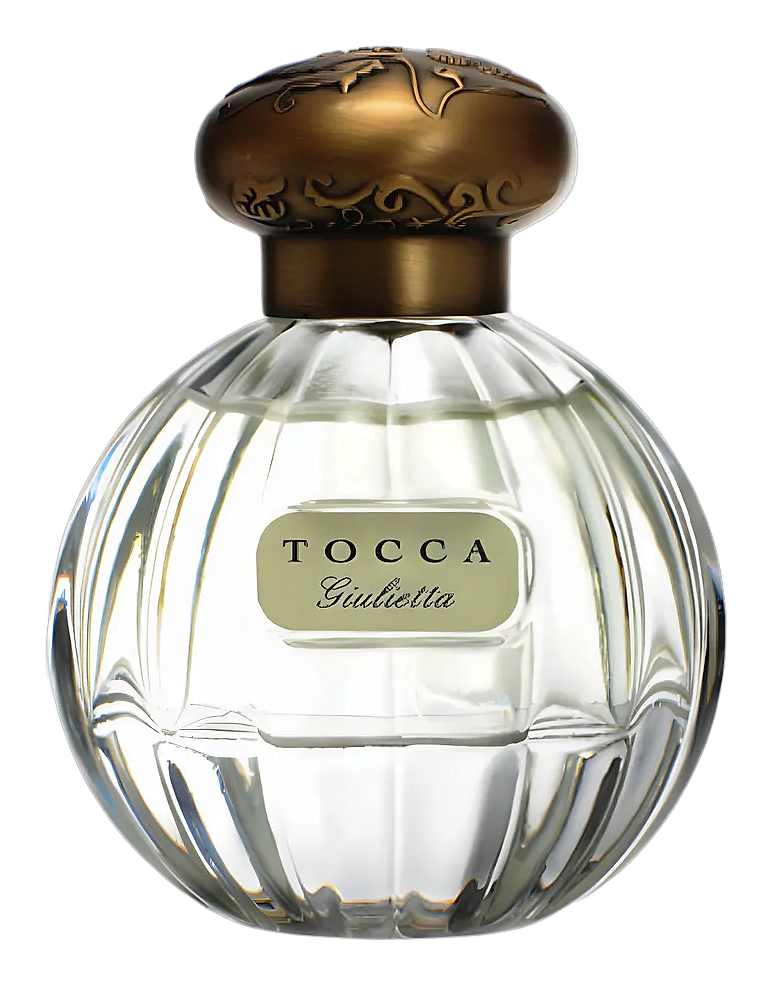
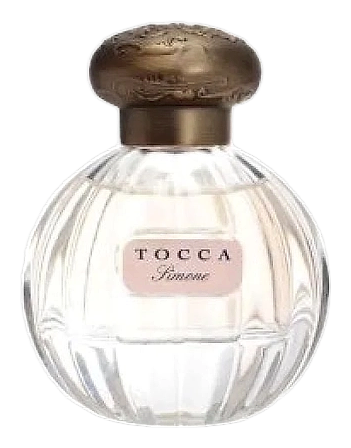
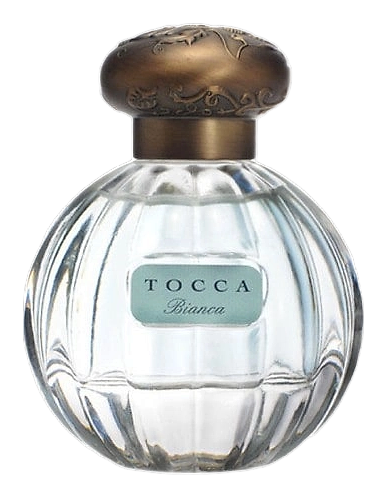
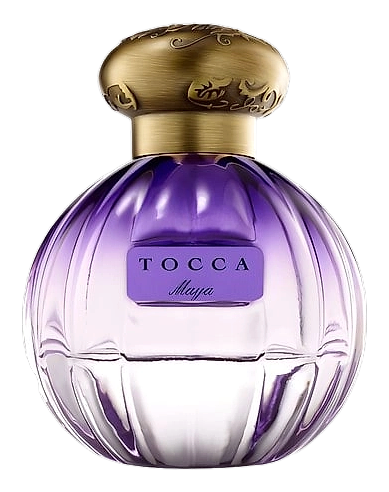
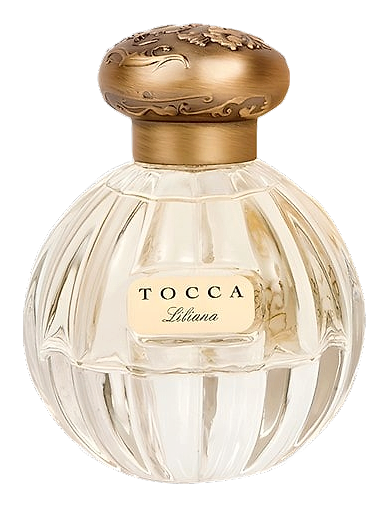
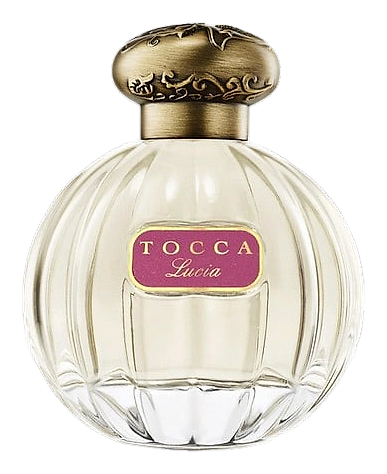
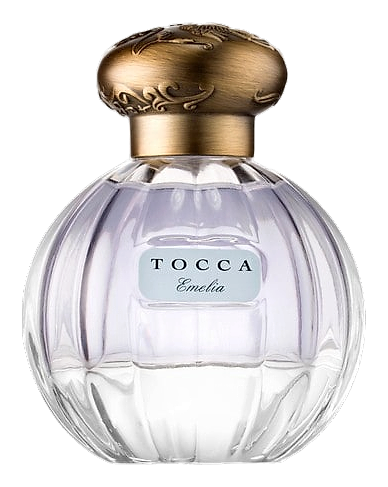
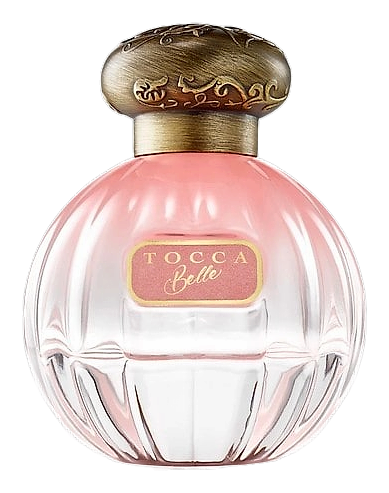
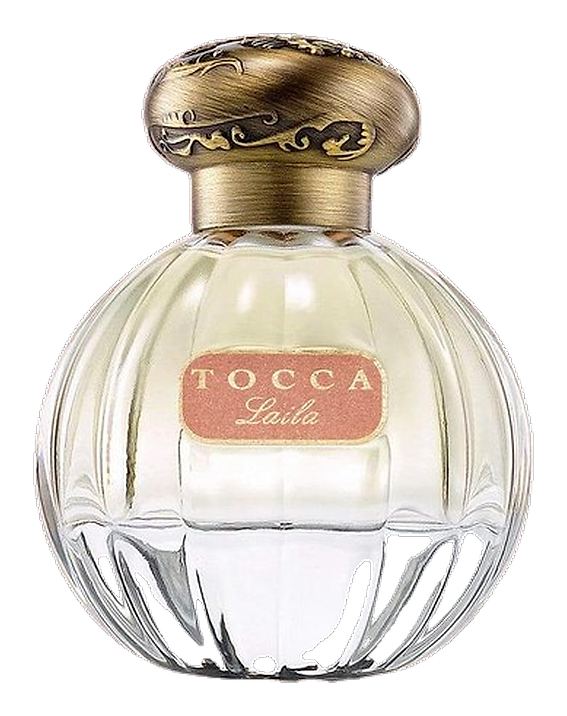
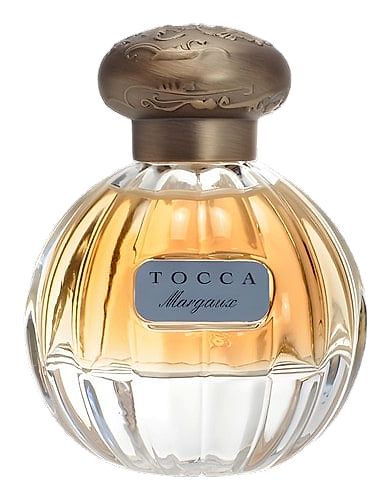
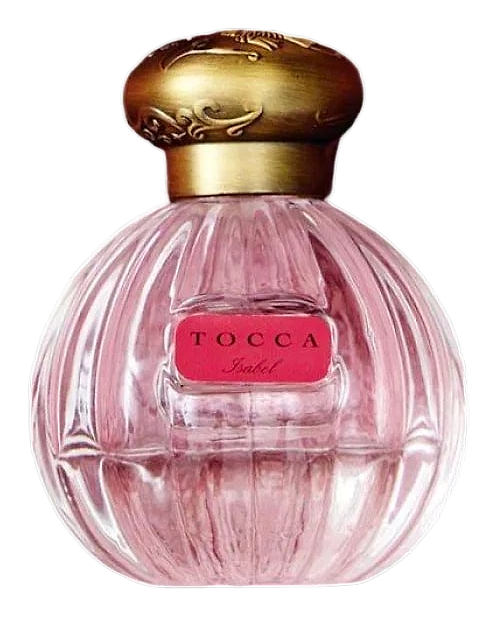
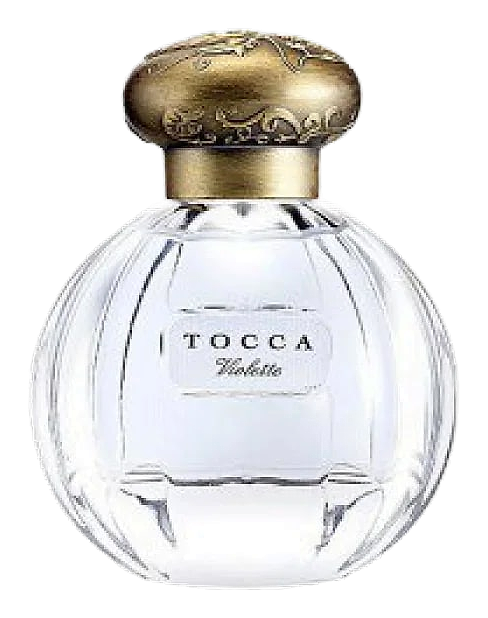
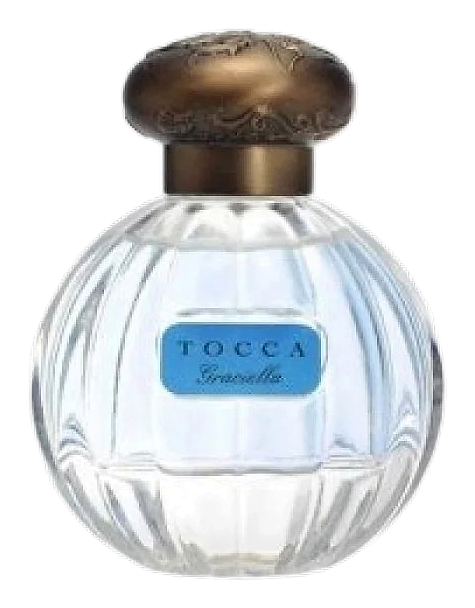
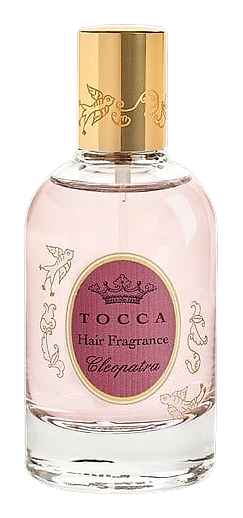
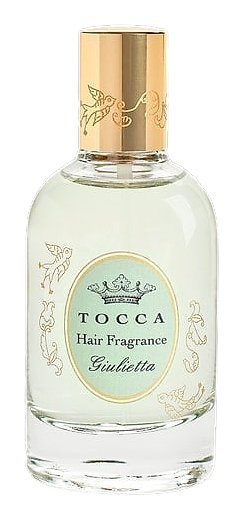
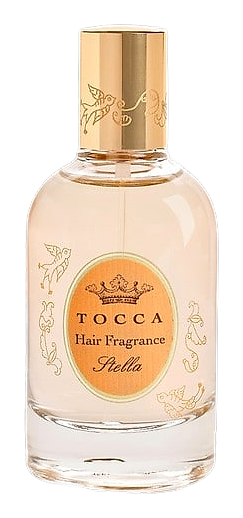
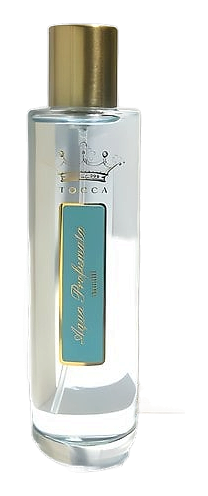
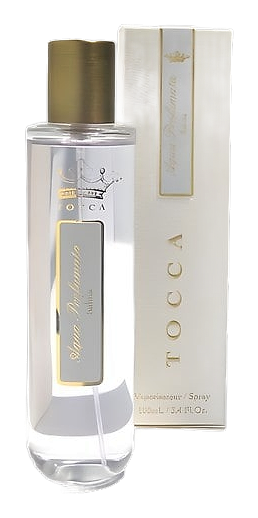
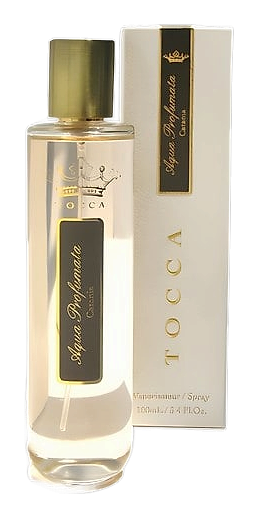
ToccaTocca began as a bohemian fashion label in New York City in the mid‑1990s and later expanded into fragrance, where it has built a steady following among women who appreciate approachable, well‑balanced scents. The house offers a range of eau de parfums, body lotions and hair mistes that often reference a single muse, a concept introduced early in its perfume line. While the brand remains U.S.‑based, its fragrances are formulated in collaboration with European perfumers and are produced in the United States, giving the collection a blend of old‑world inspiration and modern manufacturing. Tocca’s portfolio includes enduring favorites such as Stella (2006), Bianca (2010) and the Aqua Profumata series (2009), as well as newer releases like Laila (2025). The brand positions itself as a lifestyle companion, pairing scent with everyday moments rather than positioning fragrance as a distant luxury.
The Creator
Antoine Lie & Sonia ConstantLie's style can be characterized as daring and experimental. He isn't afraid to use synthetic molecules alongside natural ingredients to create unique and unexpected accords.