The Story
Why it exists.
The beginning
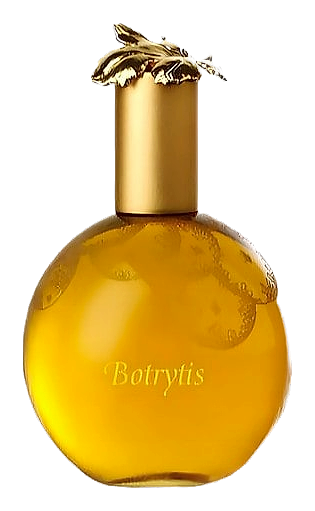
Botrytis is named for the noble rot, that magical fungus, botrytis cinerea, which transforms wine grapes into something extraordinary. In Sauternes and Barsac, vintners wait all year for the infection. When it comes, sugars concentrate, flavors deepen, and the grapes become liquid gold. Ginestet took this as the brief: translate that transformation into a wearable scent. The 2008 release captures the moment the rot takes hold, not decay, but intensification. Perfumer Christina Koutsoudaki built Botrytis around honey, yes, but the honey here isn't the bright, floral kind. It's the amber, vinous honey that tastes like it's already half-fermented. Grape must anchors it, candied ginger and dried fruits give it structure, and white flowers remind you this is still, at its core, something beautiful.
What makes Botrytis unusual is the grape. Most honey fragrances rely on floral accords to carry sweetness, the bee, the blossom, the nectar. Here, the grape must brings a vinous, almost wine-like quality that keeps the sweetness grounded in something darker and more complex. Quince adds a green-tart edge, the kind that appears in late-harvest wines right before the sugars fully take over. The gingerbread note does something interesting too. It doesn't arrive as a spice accord, it arrives as warmth. Cinnamon, clove, and nutmeg emerge slowly, woven into the amber and honey, giving the drydown a baked, gourmand quality without ever becoming a literal pastry scent.
The evolution
The opening arrives quickly. Honey over warm grape must, candied ginger, and a faint green note, quince skin, unripe and tart against the sweetness. The grape recedes within minutes, taken over by white flowers that soften the edges. Dried fruits appear, their sweetness deepening the amber. By the second hour, the gingerbread takes over. Not as a single note, but as a state, cinnamon and clove warming the amber, candied fruit still sweet but leaning dry, honey darkening into something almost resinous. The white flowers don't disappear. They linger underneath, a quiet floral thread that keeps the whole composition from collapsing into pure indulgence. The drydown holds for six to eight hours. Honey and amber stay close to the skin, gingerbread spices fading last. On fabric, Botrytis traces quietly into the next day, a warm, sweet ghost that refuses to fully leave.
Cultural impact
Released in 2008 during a wave of honey-themed fragrances, Botrytis stood apart through its vinous, wine-like quality. Rather than the bright, bee-garden honey of many contemporaries, it captured something darker, the concentrated sweetness of grapes transformed by noble rot. Wearers tend to describe it as a winter fragrance, with 199 of 735 the community votes placing it in the fall season. The honey-and-gingerbread warmth makes it a quiet companion rather than a room-filling statement.