The Story
Why it exists.
The beginning
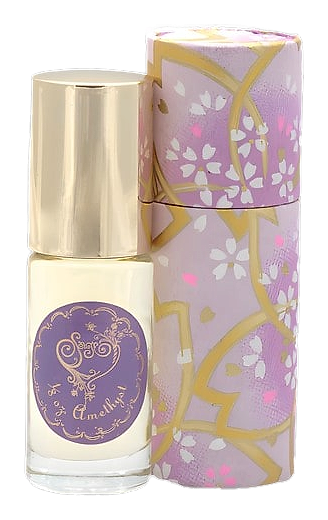
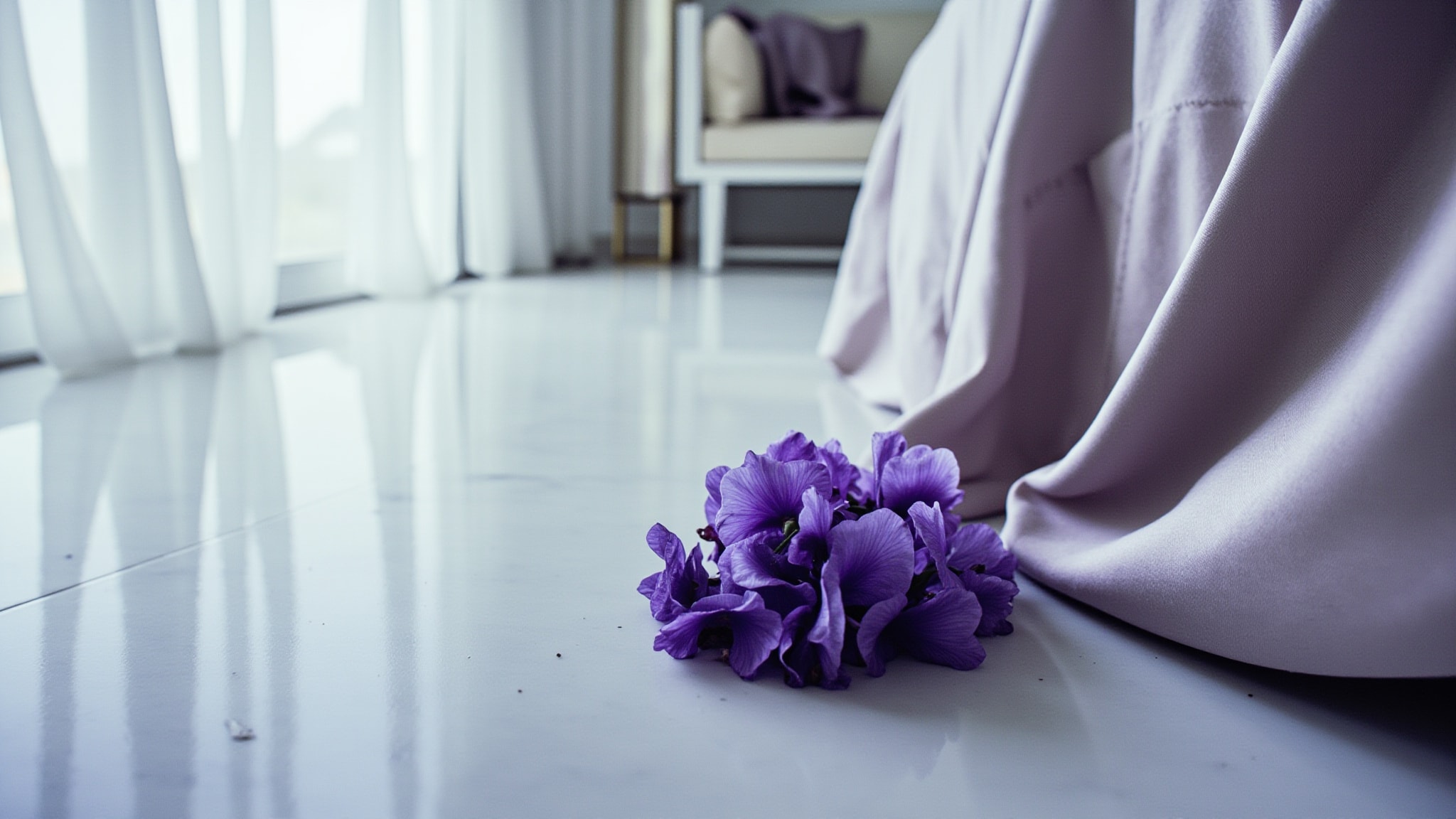
Amethyst takes its name from the purple quartz believed since antiquity to guard against intoxication, a stone of clarity and calm. Sage Machado, a jewelry designer by training, has always worked with minerals and color as her primary language. Translating a gemstone into fragrance was a natural extension: what would the February birthstone smell like if it had a scent? The answer begins with French lavender, chosen for its serenity, then opens into the lush floral heart of African violet and lilac.
What makes Amethyst interesting is the restraint. Lavender could shout, it often does. Here, it arrives clean and herbal, then gives way almost immediately to powdery florals that soften everything. The violet and lilac are not loud flowers; they're the ones that smell like childhood, like pressed petals in a book, like the idea of a grandmother's garden without being literal about it. The sandalwood and vanilla base doesn't anchor so much as warm, it keeps the composition close to skin rather than projecting outward. Oil format amplifies this intimacy: the fragrance develops slowly, lives in the skin's warmth, and belongs to the wearer more than to the room.
The evolution
The opening lasts maybe twenty minutes, French lavender, clean and slightly herbal, like crushing a stem between fingers. Then something shifts. The violet and lilac arrive together, not sequentially, creating a powdery softness that takes over. This is the heart of Amethyst: gentle, floral, a little nostalgic. The drydown is where it earns its keep. Sandalwood and vanilla emerge slowly, wrapping around the musk base like warmth held near the body. On skin, this phase can last four to six hours depending on your chemistry. The next morning, faint traces of sandalwood and vanilla often remain, soft, intimate, like the ghost of the day before.
Cultural impact
Amethyst arrived in 1997 as part of a quiet movement away from mainstream celebrity fragrances and toward intimate, personal scent. Sage Machado's gemstone-inspired naming convention reflected a broader late-1990s trend of aligning fragrance with personal identity and birthstones rather than mass appeal. The oil-based format challenged the alcohol-spray dominance of department store perfumery, positioning Amethyst alongside other indie oil houses of the era in reclaiming scent as an extension of self rather than a statement made to the room.