The Story
Why it exists.
The beginning
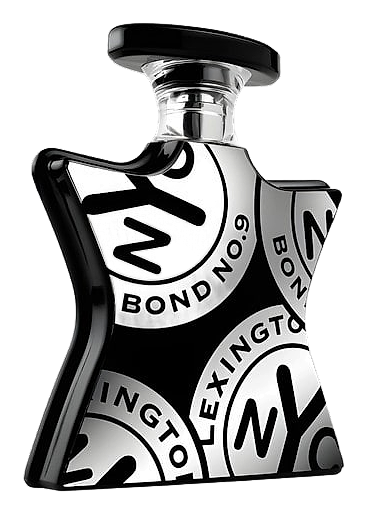
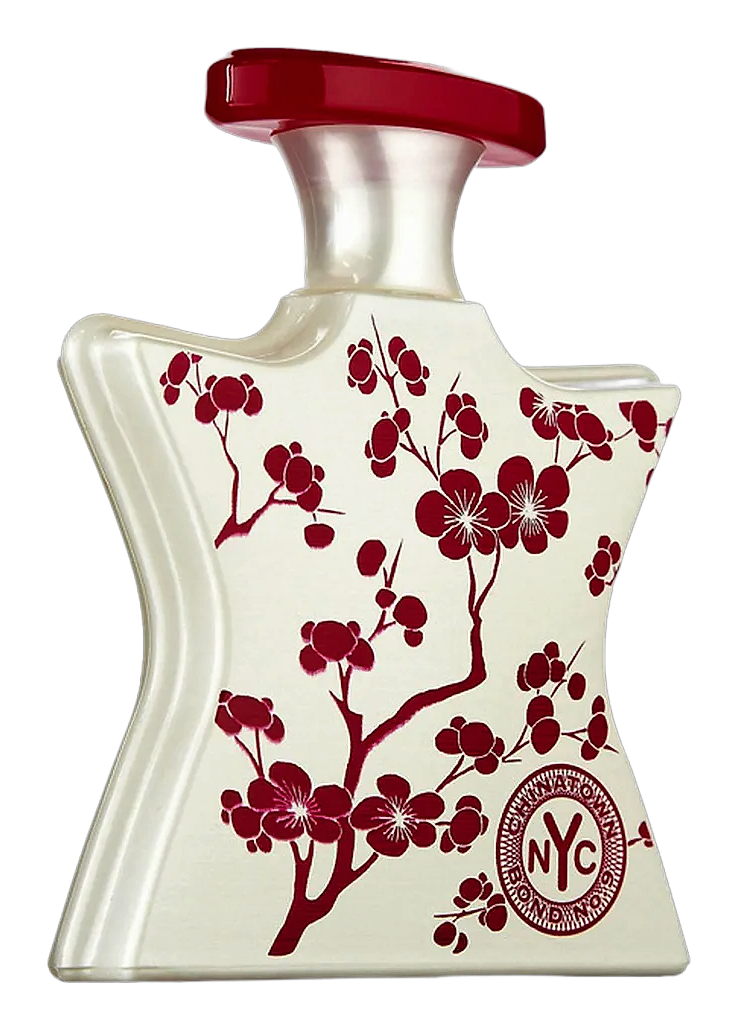
Chinatown is a fragrance named for a neighborhood that has always been about the space between two worlds. Aurélien Guichard designed it in 2005 for Bond No. 9, the house that maps New York's geography in scent. Where most fragrances nod to cultural inspiration in the copy, this one takes its name from a specific place, a place that has spent over a century negotiating what it means to exist between identities. Guichard built the composition around that same tension. Peach blossom opens the door. Then the rest of the house arrives and doesn't leave.
The structure is unusual in how deliberately it stacks sweetness. Bergamot and peach blossom arrive first, a greeting, almost coy. Then gardenia and tuberose move in together, and there is nothing coy about them. They are creamy, lush, almost too much before too much becomes the point. Orange blossom and peony amplify the honey in the heart, making the floral layer read as a single dense note rather than a pyramid. The base saves it. Cardamom cuts through with its dry spice, preventing the whole thing from collapsing into something saccharine. Patchouli and sandalwood give the vanilla somewhere to land, warm, not sticky.
The evolution
The opening announces itself quickly, bergamot brightens, peach blossom sweetness arrives, and then the florals begin their slow takeover. Gardenia and tuberose arrive about ten minutes in. The sweetness intensifies. At this point the fragrance is either winning you over or losing you, and there is not much middle ground. Cardamom emerges from the white florals like an escape route, its dry spice pulling the composition back toward earth. The florals begin to fade around the two-hour mark, replaced by patchouli and sandalwood, warm and softened by the vanilla that has been building beneath them. By hour four, the drydown settles into something close and intimate. Vanilla and sandalwood on warm skin, the remaining traces of florals barely there, a warmth that follows rather than announces. It does not hit the full eight to ten hours some wearers report, but it gets close enough.
Cultural impact
Chinatown has become a modern classic for those drawn to bold, unapologetic white florals paired with warm spices and vanilla, a combination that has aged well as the floriental trend has grown in wider fragrance culture. The fragrance attracts people who want something with character: tuberose that does not whisper, spices that do not apologize, a sweetness that earns its place. Those who connect with it tend to return to it.