The Story
Why it exists.
The beginning
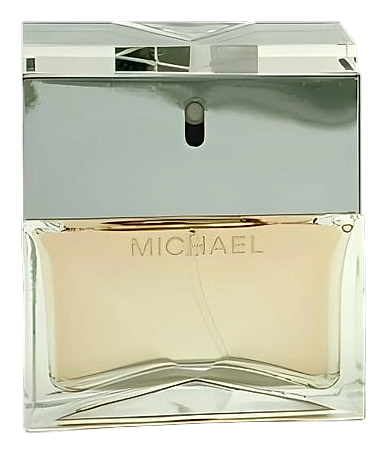
Michael arrived in 2000, the year Michael Kors needed a women's fragrance that could carry the brand's identity into a new medium. Laurent Le Guernec and Alain Alchenberger built this from the ground up, a floral woody musk that could sit alongside ready-to-wear without competing with it. The brief wasn't subtle. Kors wanted scent that felt polished, self-assured, and unmistakably present. What they delivered was something that could anchor a wardrobe without announcing itself at full volume.
The osmanthus and tamarind in the top notes are what separate this from simpler white floral compositions. Osmanthus brings stone fruit sweetness, a warmth that tamarind amplifies with its creamy, tart edge. Together they prevent the tuberose from becoming pure gardenia, there's dimension here, a complexity that rewards closer attention. The heart's iris and orris root add powdery sophistication that most tuberose-led fragrances skip entirely. It's what makes this feel intentional rather than overpowering.
The evolution
Cool incense smoke opens, resinous, quietly arresting. Osmanthus blossom follows, stone fruit and honey. Tamarind adds a creamy tartness that Freesia brightens for the first hour. Then the tuberose takes over and doesn't ask permission. The heart phase is where this fragrance earns its reputation. Peony softens slightly, but iris, orris root, and arum lily introduce a powdery, slightly animalic complexity that makes the whole thing feel deliberate rather than overwhelming. The cashmere wood, musk, and Tahitian vetiver base arrives around the four-hour mark, warm, close to skin, the kind of drydown that lingers on fabric and in hair long after you've left the room. What surprises most wearers: the vetiver. It keeps the tuberose from going full gardenia. It grounds the sweetness, adds an earthy counterweight that extends the wear into evening. Most people get 6-8 hours. Some get more. If you overapply, you'll know it the next morning.
Cultural impact
Michael by Michael Kors arrived in 2000 as the brand's first standalone women's fragrance, a calculated move into beauty as fashion houses sought diversified revenue streams. The launch aligned with Kors' rise as a democratizing force in American luxury, offering polished, accessible aesthetics just as the early 2000s appetite for premium but attainable products peaked. The floral woody musk template it established became a blueprint for Kors' subsequent flankers and companion scents, each iteration working variations on that creamy tuberose and warm drydown foundation. Culturally, the fragrance captured a specific moment in feminine aspirational style: polished without being precious, confident without being aggressive.