Arum Lily
Arum lily (Zantedeschia aethiopica) carries a quiet complexity. Its scent drifts between green stems and honeyed petals, a duality that speaks of both wildflower meadows and something more primal. Native to southern Africa, this elegant bloom has long captured attention, though its role in perfumery remains understated.
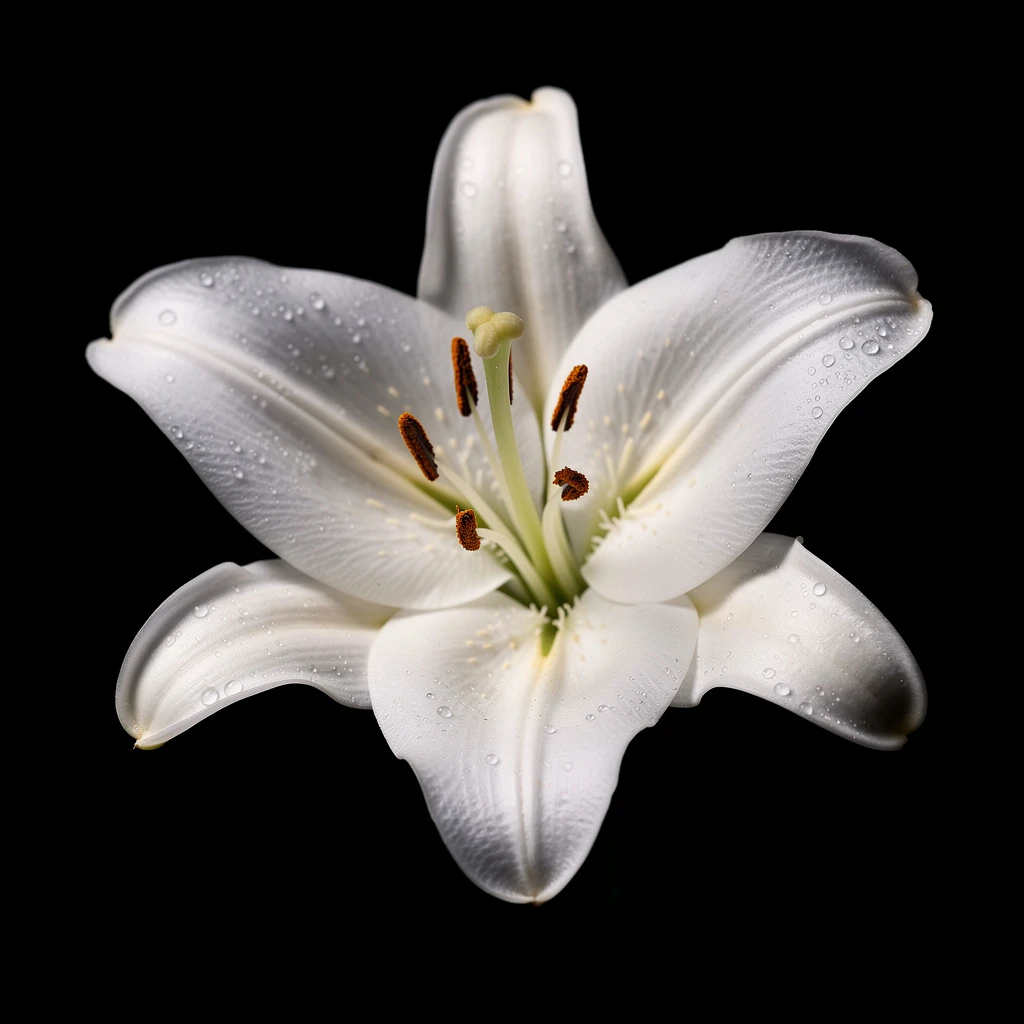
Character
How it smells
The bold trumpet-shaped bloom with an earthy-green scent and subtle honeyed undertones.
Despite its beauty, arum lily contains calcium oxalate crystals that make direct extraction impractical, prompting perfumers to recreate its scent synthetically.






Origin
South Africa
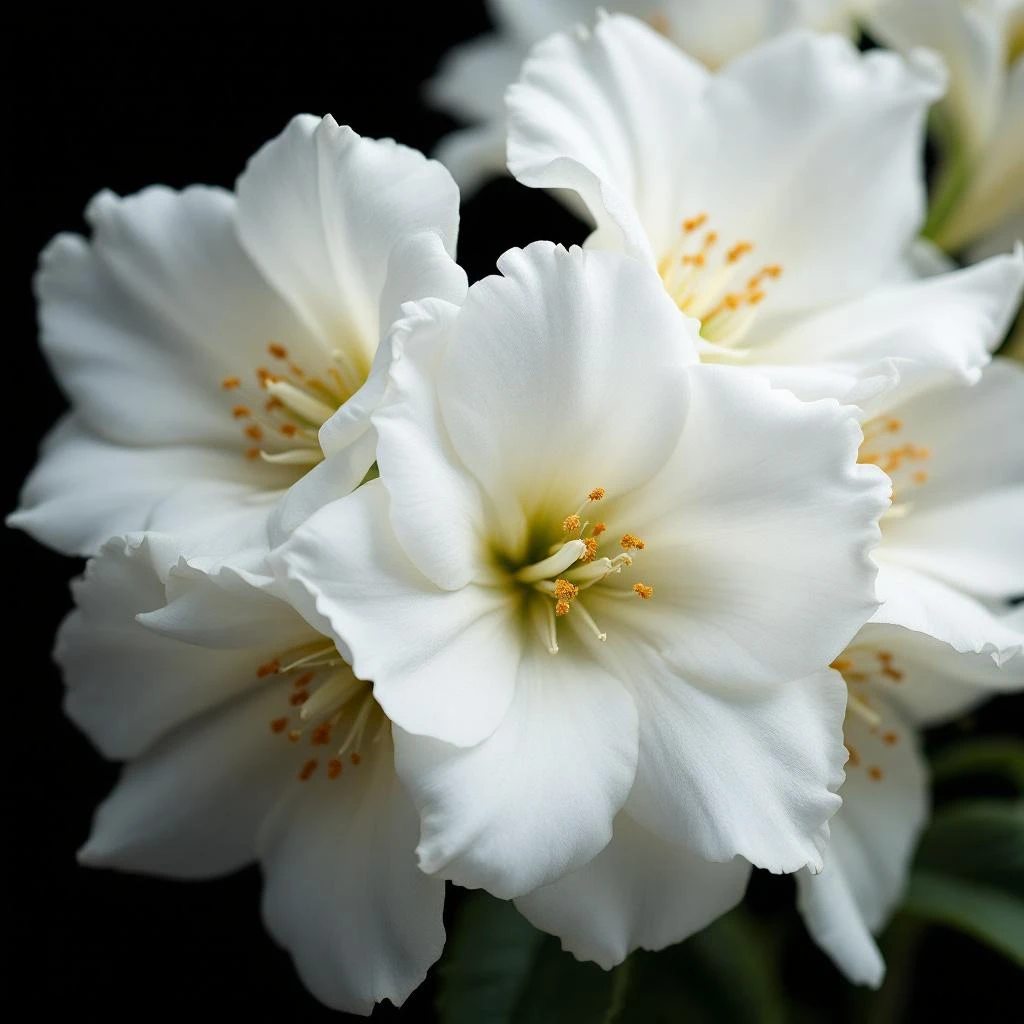
Zantedeschia aethiopica traces its roots to the wetlands and riverbanks of southern Africa, particularly South Africa, where it has grown for centuries. The plant holds deep cultural significance among indigenous peoples, including Xhosa and Zulu communities, who recognized it in traditional practices and named it "iqabi."
European botanists first documented the species in the 18th century, bringing specimens to botanical gardens across the continent. The flower gained popularity as an ornamental plant, eventually earning its common names: calla lily for its elegant form, and Easter lily for its spring blooming season aligning with Easter celebrations.
The flower's striking trumpet shape and spiritual associations made it a symbol of purity and rebirth in Victorian floriography. However, its journey into perfumery remained limited. Unlike lily of the valley (Convallaria majalis), which became a perfumery staple in the 19th century, arum lily never established itself as a direct fragrance ingredient.
Today, arum lily persists in perfumery as a reference to its distinctive character rather than a natural extract. Its story reflects how not every beautiful flower translates successfully into olfactory applications, and how chemistry often fills the gaps where nature falls short.
Wears it best
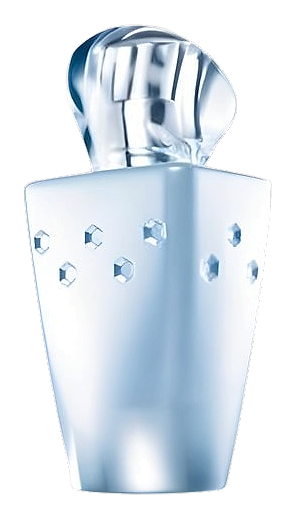
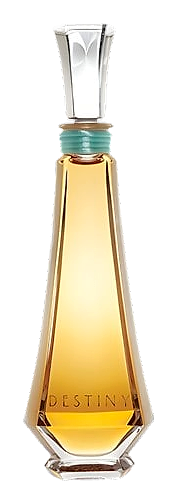
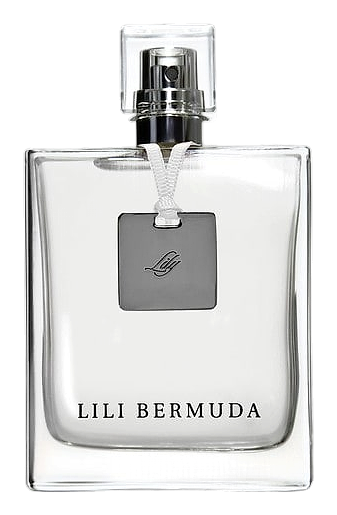
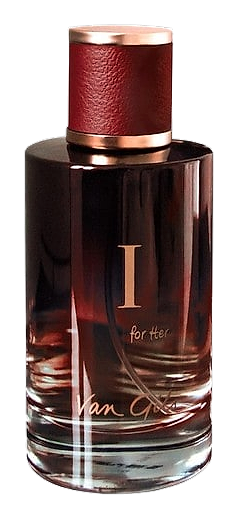
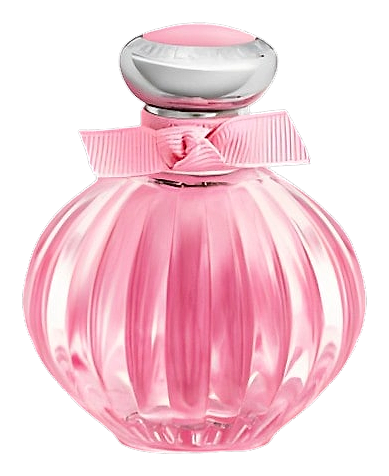
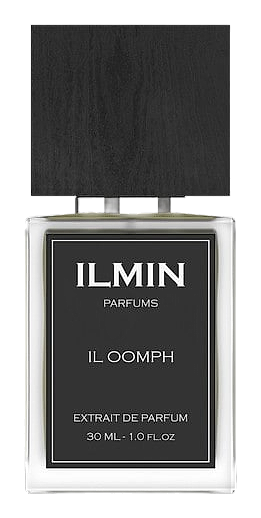
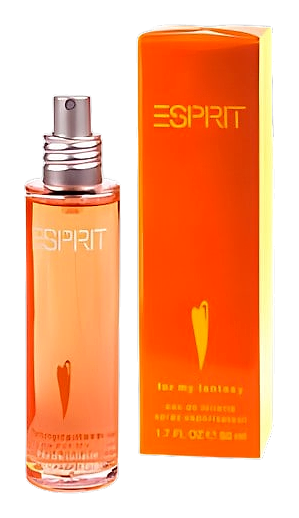
Fragrances featuring Arum Lily
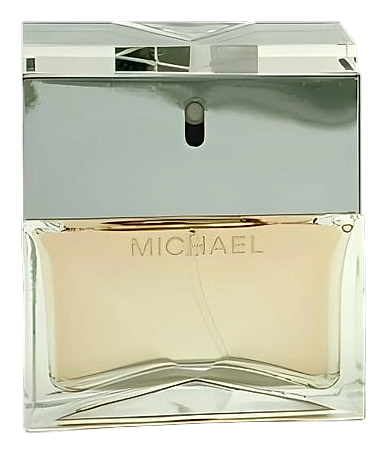
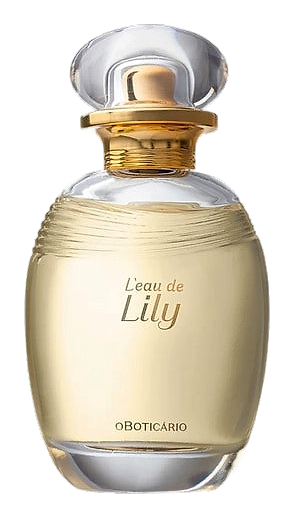
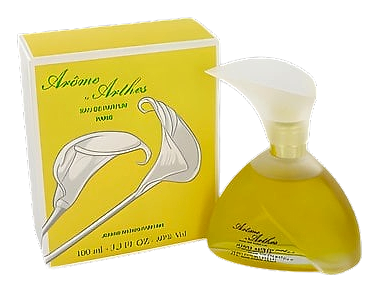
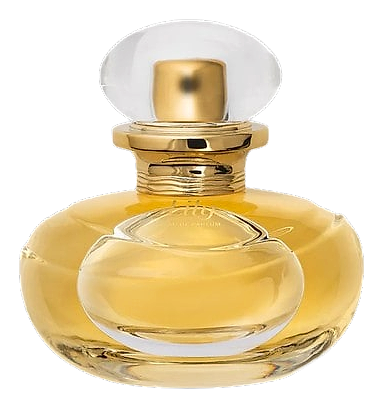
Brands
Brands known for Arum Lily
Good to know
Questions, answered
The essentials on Arum Lily in perfumery: how it smells, where it comes from, and how it behaves on skin.
Does arum lily produce natural essential oil?
No, arum lily does not yield traditional essential oil. The flower contains calcium oxalate crystals and lacks stable aromatic compounds for conventional extraction methods.
What does arum lily smell like?
Arum lily has a green, slightly earthy scent with honeyed floral undertones. The character is more subtle and complex than typical white florals.
Is arum lily the same as calla lily?
Yes, arum lily, calla lily, and Easter lily all refer to Zantedeschia aethiopica. The botanical name remains consistent across all common names.
Why isn't arum lily used directly in perfumery?
The flower's cellular structure and defensive compounds make direct extraction impractical. Its aromatic profile is recreated using synthetic chemistry instead.
What fragrance families use arum lily notes?
Arum lily appears in white floral and green fragrance compositions. It typically serves as a supporting note rather than a dominant element in blends.
Where does arum lily grow naturally?
Zantedeschia aethiopica is native to southern Africa, thriving in wetland areas, along riverbanks, and in marshy regions across South Africa.
How do perfumers capture arum lily's scent today?
Fragrance chemists synthesize key aromatic molecules found in the plant, combining green aldehydes and honeyed compounds to recreate its distinctive profile.
What cultural significance does arum lily hold?
In South African traditions, indigenous communities recognized arum lily for spiritual purposes. Its Easter lily association stems from Victorian floriography and spring blooming patterns.