African Violet
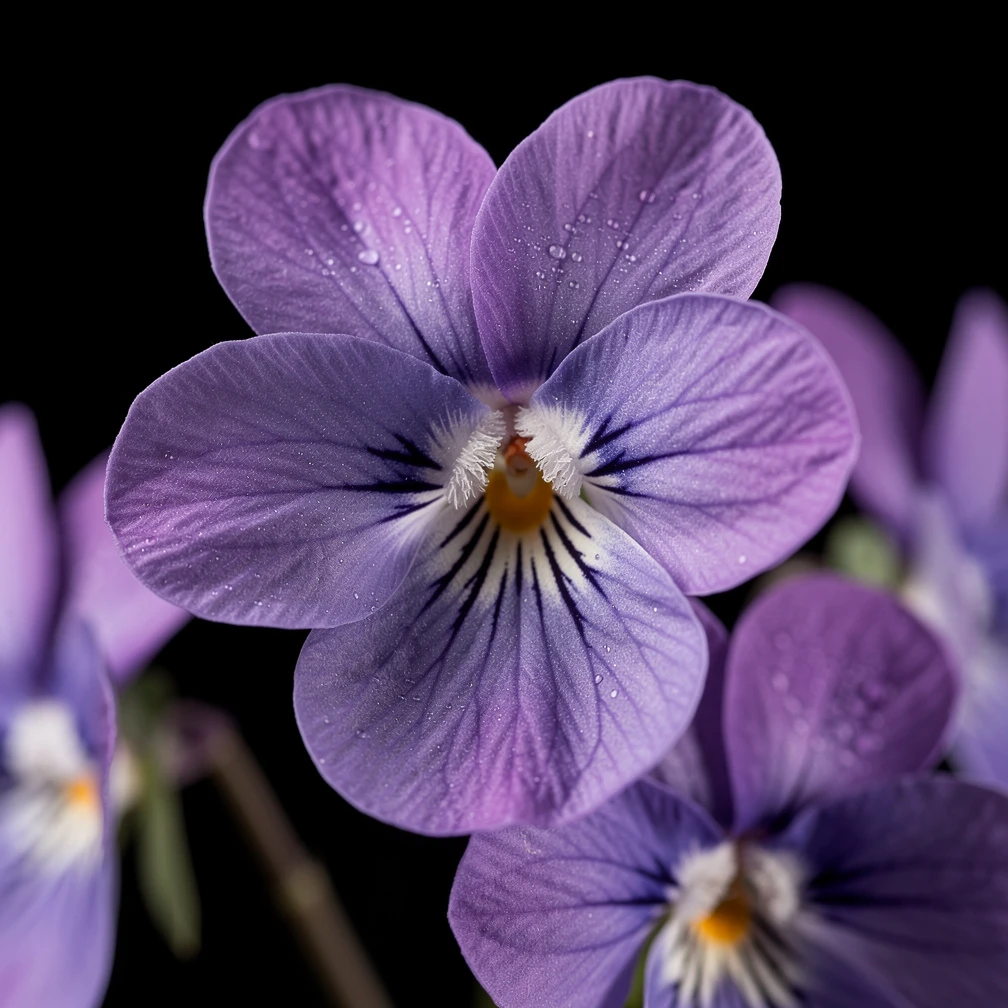
African Violet brings a delicate, powdery floral softness to perfume compositions. As a muted flower with subtle natural scent, it is primarily recreated through ionone chemistry. The note adds gentle sweetness and romantic elegance to fragrance heart stages.
Character
How it smells
A whisper of powdery florals, softly romantic.
The violet flower is considered mute in perfumery because its scent molecules are too heavy to extract by steam distillation.







Origin
Tanzania
The African Violet's journey into perfumery is relatively recent compared to its European violet cousins. While Parma violets from 19th-century Italy established violet as a precious perfumery ingredient, the African species remained obscure until horticulturist Saint Paul-Ignatius brought it to Europe from Tanzania in 1893. Its velvety purple blooms quickly became a beloved houseplant worldwide.
The real breakthrough came in 1893 when chemists patented ionone, the aromatic compound responsible for violet's scent. This discovery enabled mass production of violet fragrances, democratizing what was once a luxury ingredient reserved for court perfumers. The synthetic recreation of African Violet now allows perfumers to capture that nostalgic, powdery sweetness that evokes spring gardens and romantic sentiment. Today, this note appears across masculine and feminine fragrances as a bridge between tradition and modern chemistry.
Wears it best
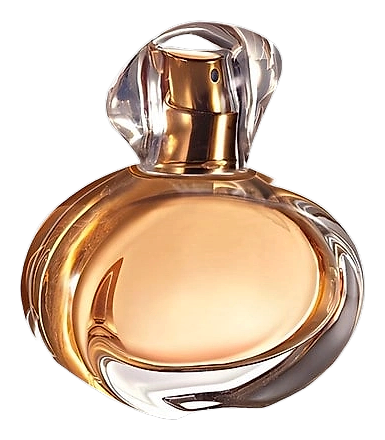
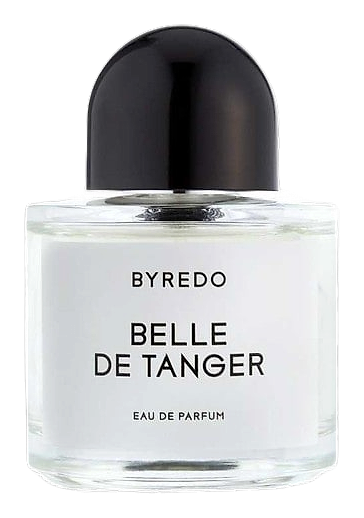
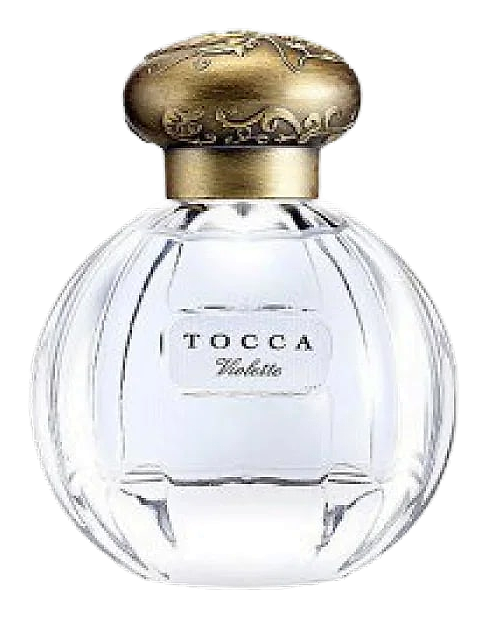
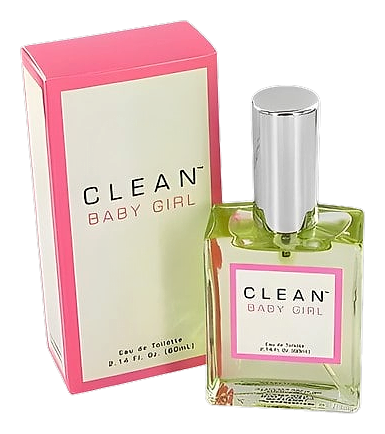
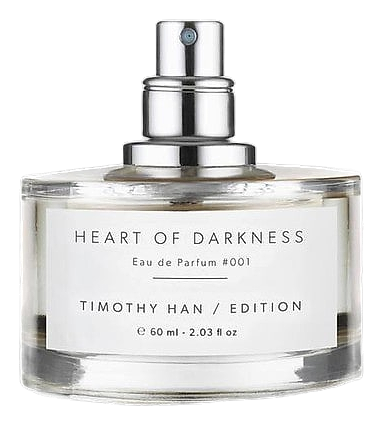
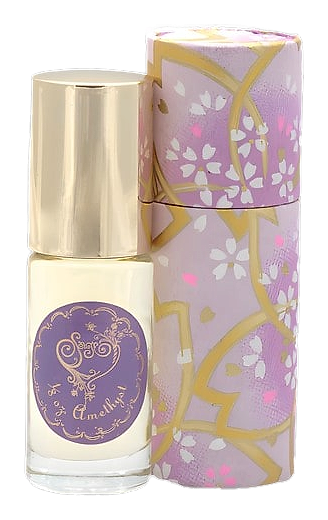
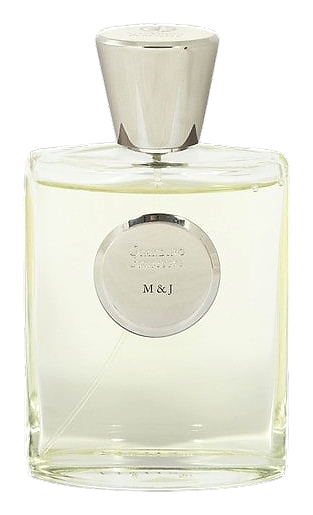
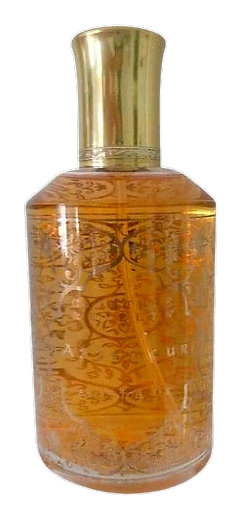
Fragrances featuring African Violet


Brands
Brands known for African Violet
Good to know
Questions, answered
The essentials on African Violet in perfumery: how it smells, where it comes from, and how it behaves on skin.
What does African Violet smell like in perfume?
African Violet delivers a soft, powdery floral scent with sweet undertones and a subtle green-waxy character. The note reads as delicate and romantic, often described as reminiscent of freshly crushed violet petals and iris-like powderiness.
Why is African Violet used in perfumery?
African Violet adds gentle sweetness and powdery elegance to fragrance compositions. It works as a bridge note, softening sharper accords while providing a romantic, nostalgic quality that enhances the overall emotional impact of a perfume.
Is African Violet in perfume natural or synthetic?
Most African Violet fragrance is synthetic. The actual flower contains trace amounts of scent compounds, making natural extraction impractical. Ionones, patented in 1893, enable reliable reproduction of the violet scent profile at scale.
What famous perfumes contain African Violet?
Several iconic fragrances feature violet notes: Guerlain's Apres l'Ondee (1906), Prada Infusion d'Iris, and Dolce and Gabbana Light Blue all incorporate violet or ionone-based accords for their powdery floral signatures.
Is African Violet a top note, heart note, or base note?
African Violet functions primarily as a heart note in perfumery. Its moderate volatility allows it to emerge after top notes dissipate, providing a soft floral transition that lingers through the fragrance's middle stages.
What notes pair well with African Violet in perfume?
African Violet pairs naturally with iris, which shares ionone chemistry and powdery warmth. Green notes like galbanum add freshness, while woody bases such as sandalwood or vetiver ground the delicate floral character.
How is African Violet extracted?
Natural African Violet absolute requires solvent extraction, yielding approximately 0.02% by weight of aromatic material from processed plant matter. Most commercial violet notes, however, come from synthesized ionones that replicate the scent profile more economically.
Is African Violet used in men's or women's fragrances?
African Violet appears in both men's and women's fragrances without gender restriction. Its powdery softness suits feminine florals, while its subtle green undertone integrates well into masculine woody compositions as a bridging note.