Liquidambar
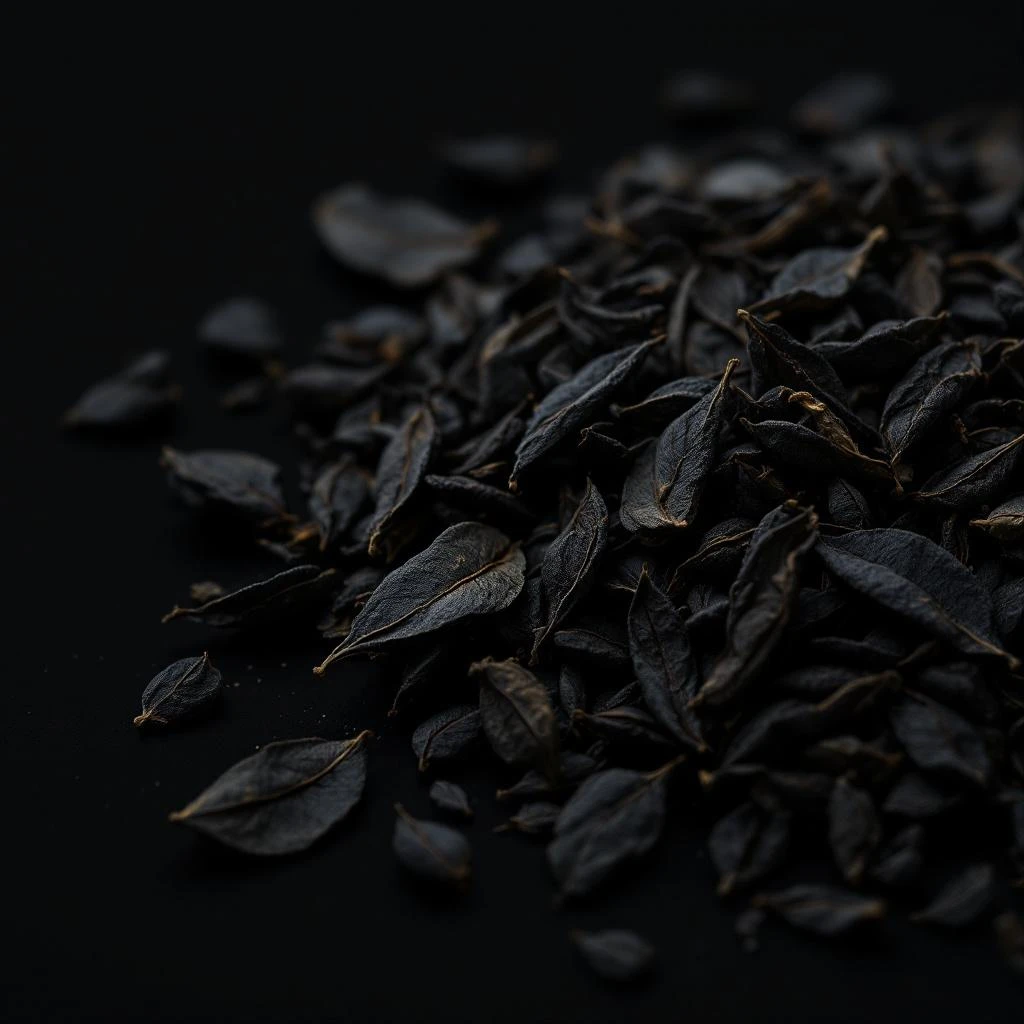
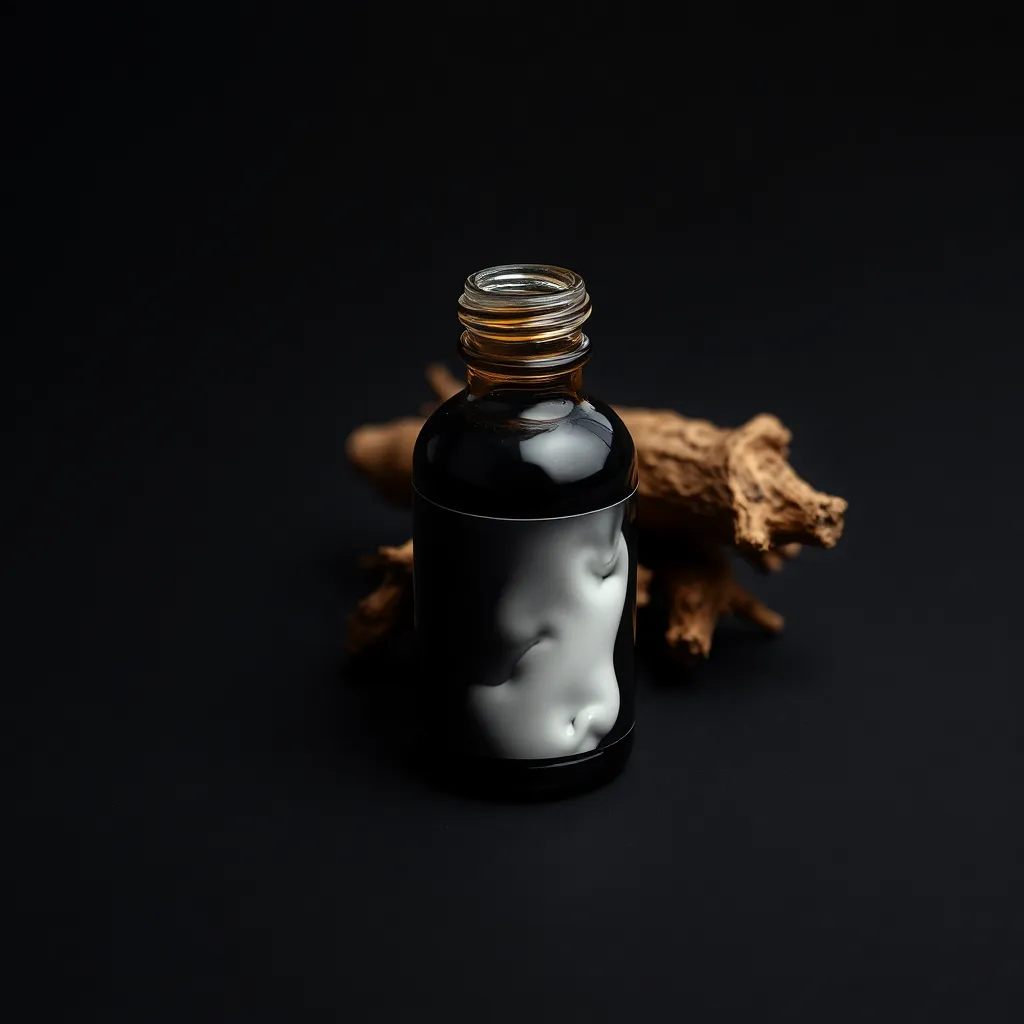
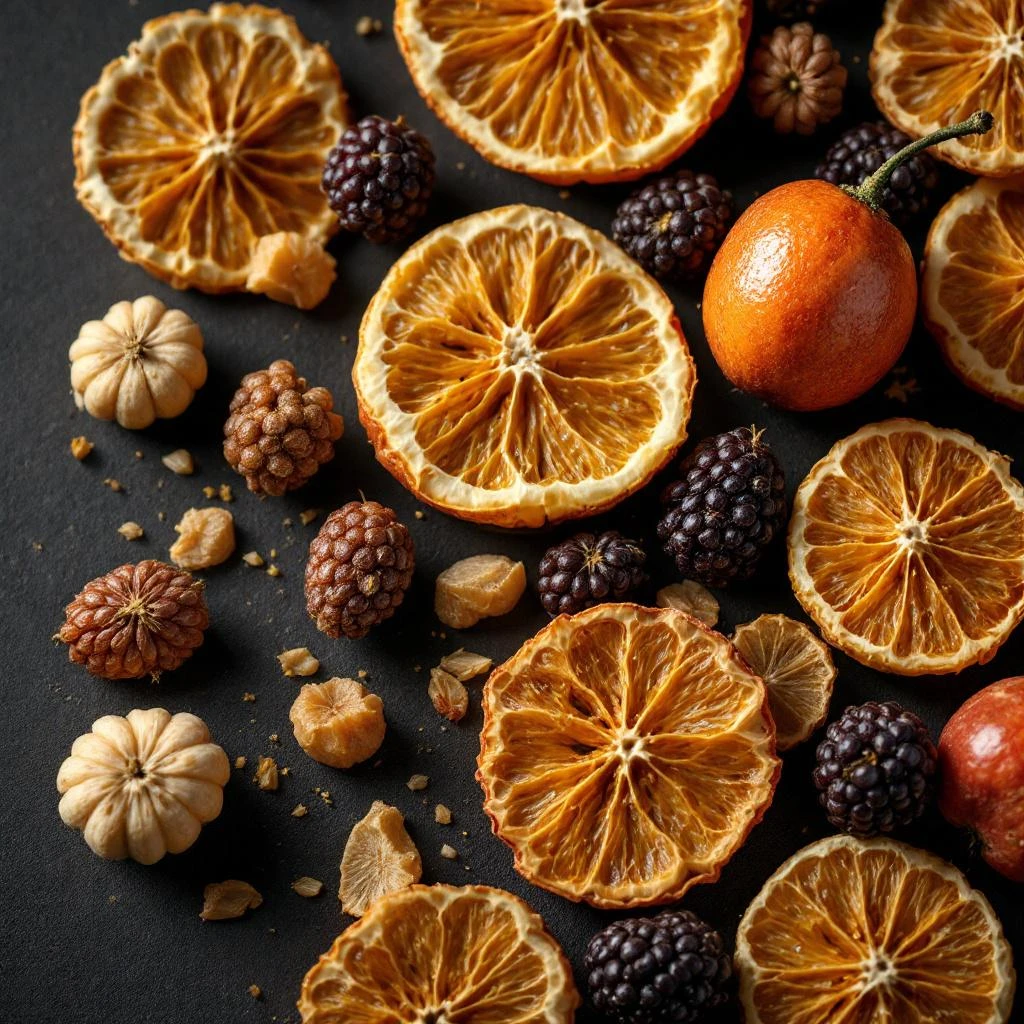
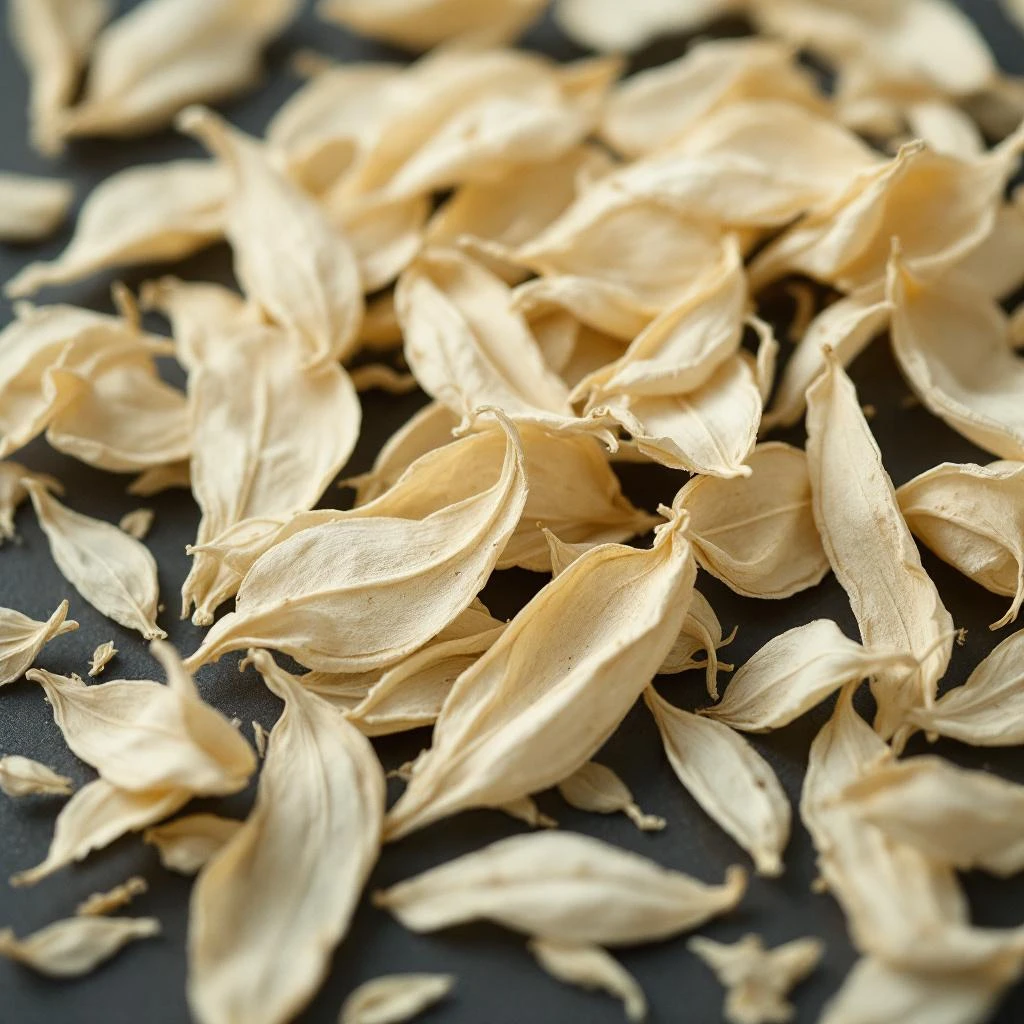
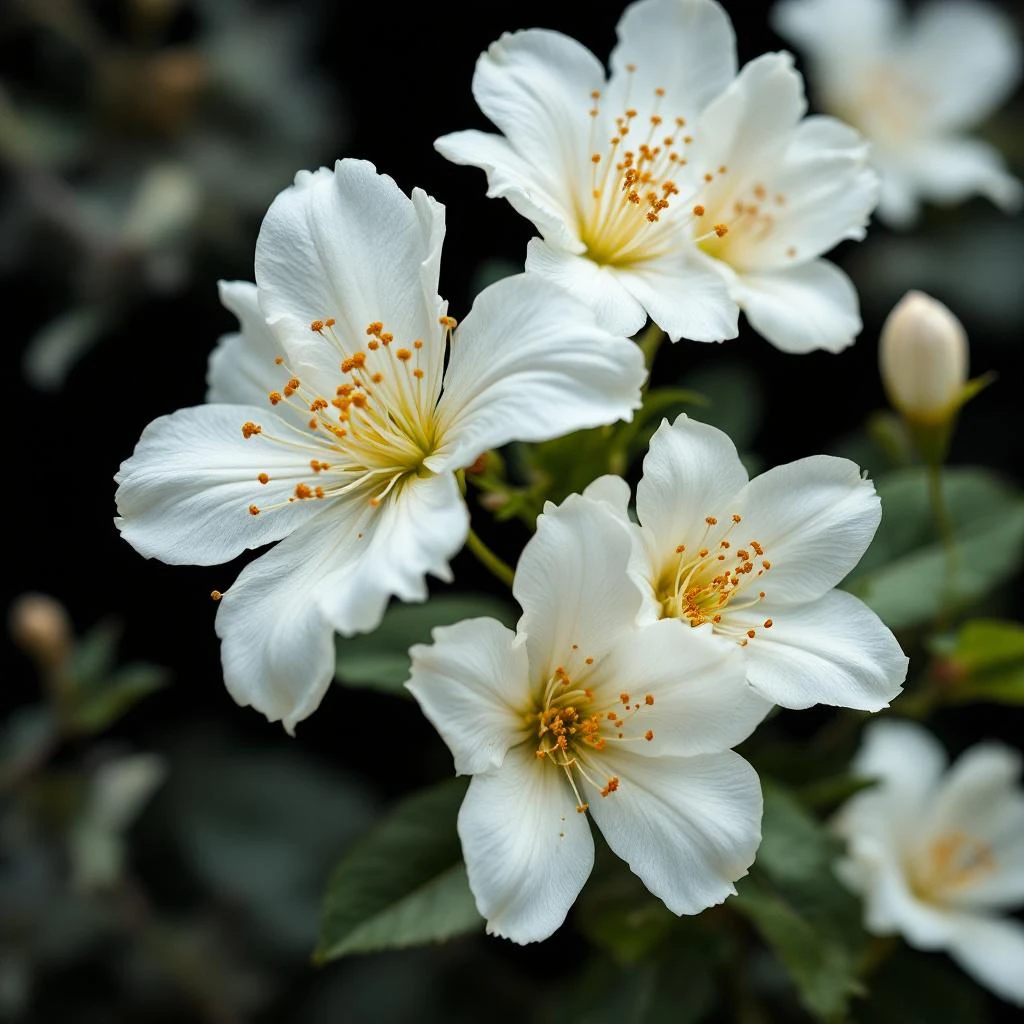
Liquidambar, or styrax, yields a sweet‑gum resin that blends honeyed amber with soft balsamic warmth, delivering a grounded, luminous note that anchors modern compositions.
Character
How it smells
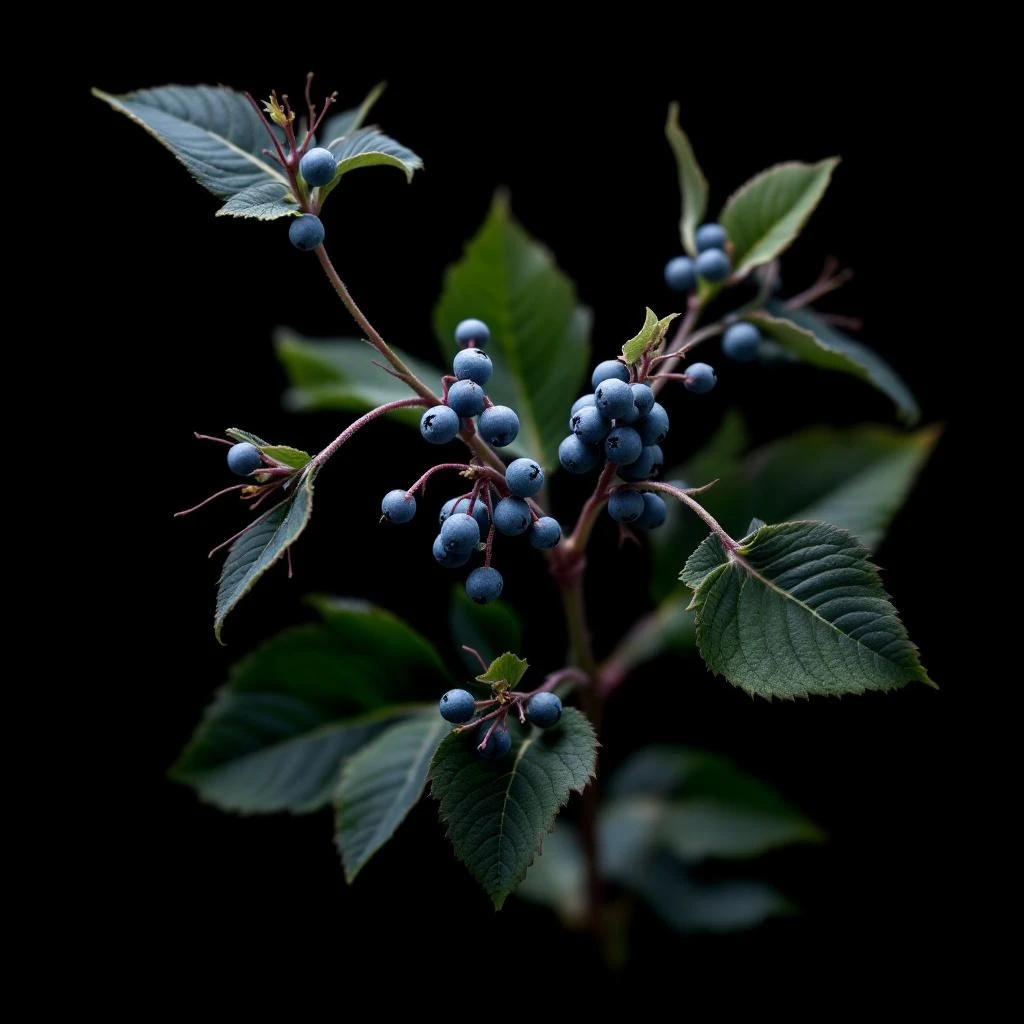
Sweet‑gum resin, honeyed amber, balsamic depth.
The ancient city of Babylon prized Liquidambar resin, exporting it along the Silk Road; a single kilogram of raw styrax could fetch up to 30 silver coins in the 5th century BCE.






Origin
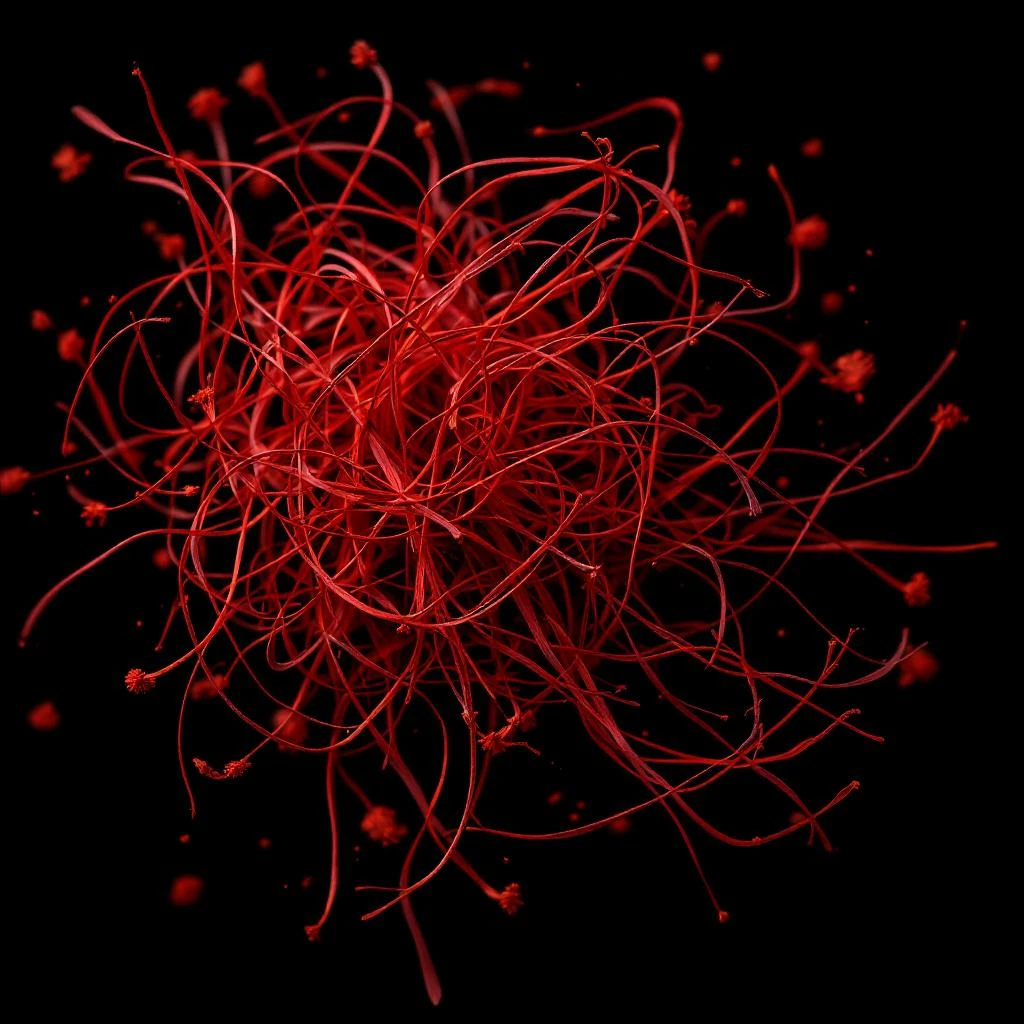
Turkey
Liquidambar resin has been valued since antiquity. Archaeological evidence from Mesopotamian sites shows that Babylonian priests burned styrax incense in sacred rites as early as 2000 BCE. The resin traveled the Silk Road, reaching the courts of the Ottoman Empire where it flavored royal perfumes and medicinal balms.
Biblical texts reference "storax" as a prized aromatic, suggesting its use in ancient Israelite worship. During the 19th century, European chemists isolated the balsamic constituents, naming the material "styrax" after the genus. By the early 1900s, the resin became a staple in oriental perfume houses, prized for its ability to soften smoky woods and add a sweet, honeyed foundation.
Today, sustainable farms in Turkey and the Caucasus continue the tradition, supplying both resinoid and essential oil to niche and luxury fragrance houses.
Wears it best
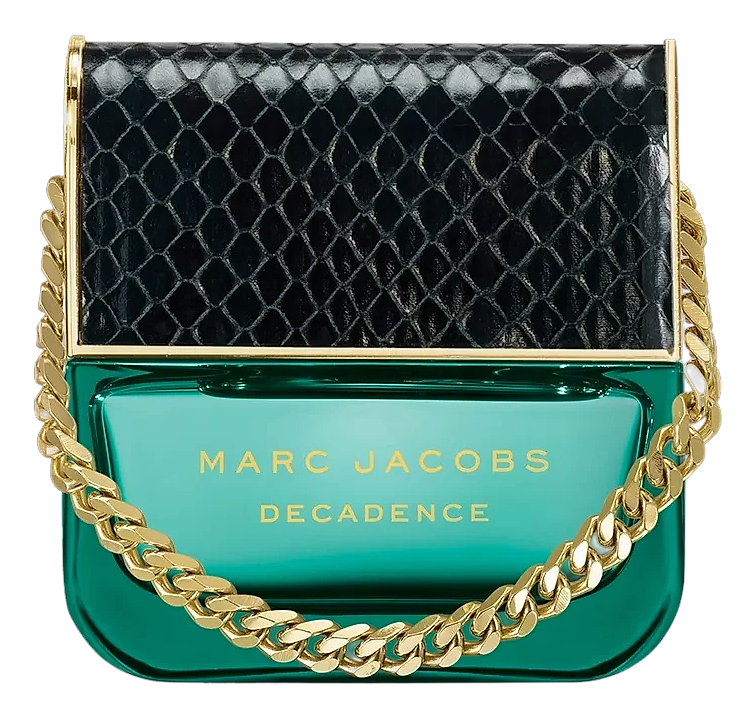
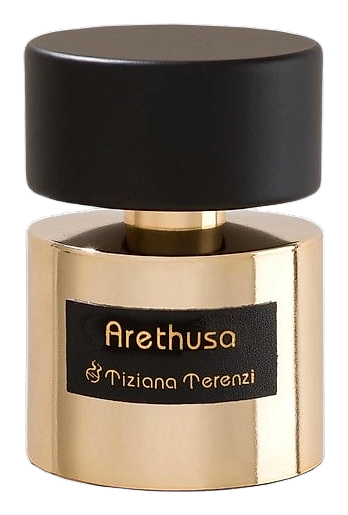
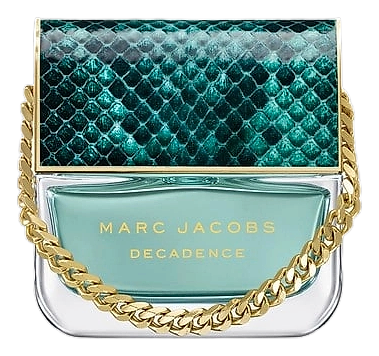
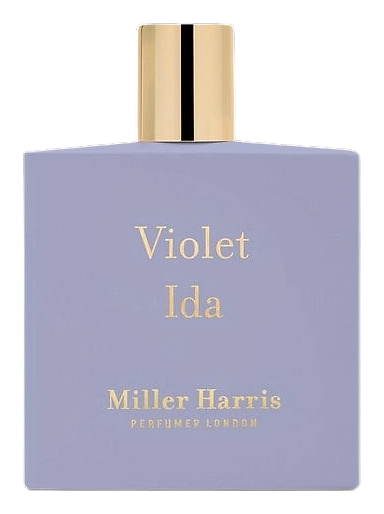
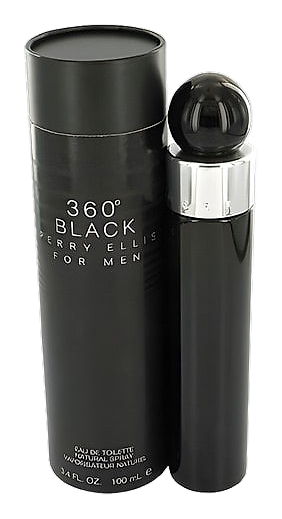
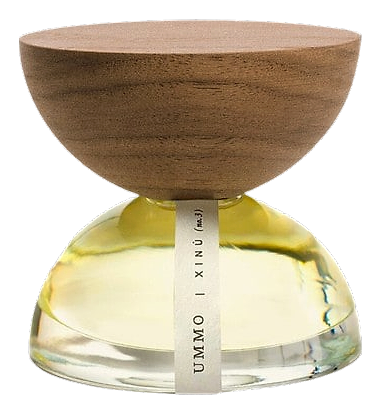
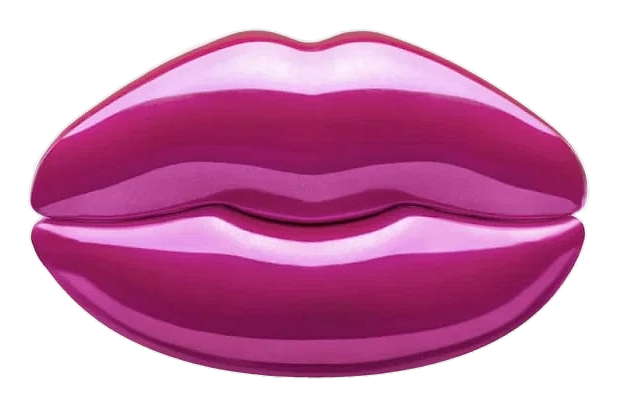
Fragrances featuring Liquidambar
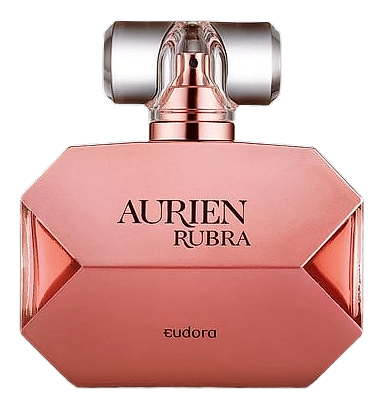
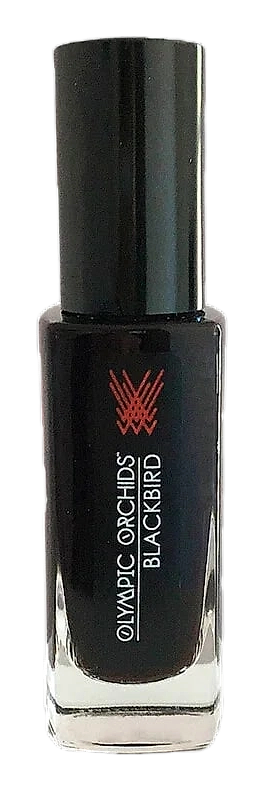
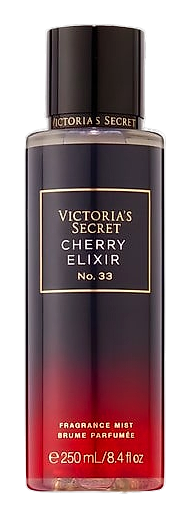
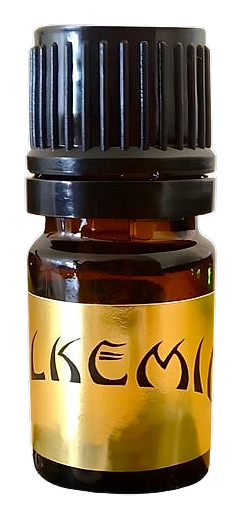
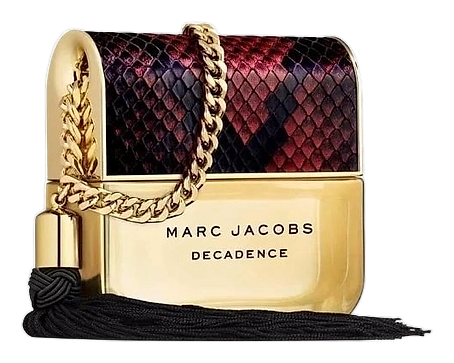
Brands
Brands known for Liquidambar
Good to know
Questions, answered
The essentials on Liquidambar in perfumery: how it smells, where it comes from, and how it behaves on skin.
What scent profile does Liquidambar provide?
Liquidambar adds a sweet‑gum, honey‑amber aroma with a soft balsamic edge. Per the International Fragrance Association, the resin contains about 30 % cinnamic acid, which creates the characteristic warm sweetness. In a typical perfume blend, 2–5 % of styrax resinoid delivers the desired depth without overpowering other notes.
Is Liquidambar safe for skin?
Liquidambar is classified as a low‑irritant natural ingredient for topical use. The Cosmetic Ingredient Review panel recorded a 200 mg/kg NOAEL in a 90‑day rat study, confirming its safety at typical perfume concentrations. Regulators in the EU and US permit up to 5 % in leave‑on products, ensuring consumer protection.
How long does Liquidambar resin last on the skin?
Liquidambar resin persists on skin for 6–8 hours, providing a lingering amber glow. A 2021 GC‑MS study measured its evaporation rate at 0.12 µg/cm²·h, slower than many citrus top notes. Thus, perfumers often place styrax in the base layer to extend the fragrance’s overall duration.
Which perfume families commonly feature Liquidambar?
Liquidambar appears most often in amber, oriental, and woody families. In 2019, the Global Fragrance Survey recorded styrax in 27 % of amber‑dominant launches, highlighting its popularity among warm compositions. Its resinous sweetness balances smoky woods while adding a subtle honeyed nuance that prevents the blend from becoming too heavy.
How is Liquidambar harvested sustainably?
Liquidambar is harvested by making shallow incisions in the bark and collecting the exuded resin over several weeks. In Turkey’s Marmara region, certified farms reported a 15 % increase in yield after implementing rotational tapping in 2022. The practice allows the tree to heal naturally, ensuring a stable supply for decades.
Does Liquidambar have any therapeutic properties?
Liquidambar resin exhibits mild antimicrobial activity against Staphylococcus aureus. A 2018 laboratory assay recorded a 22 % inhibition zone at a 5 % resin concentration, supporting its traditional use in folk medicine. While not a substitute for clinical treatment, the property makes styrax a useful additive in natural hand balms and after‑shave lotions.
What is the difference between Liquidambar essential oil and resinoid?
Liquidambar essential oil captures the volatile, citrus‑like top notes, while the resinoid holds the dense, sweet‑gum base. In 2020, GC‑MS analysis showed the oil contains 12 % cinnamyl acetate, whereas the resinoid retains 45 % of the non‑volatile balsamic acids. Perfume creators select the oil for bright openings and the resinoid for lasting depth.
Can Liquidambar be used in natural cosmetics?
Liquidambar can be incorporated into natural cosmetics as a fragrance and skin‑conditioning agent. A 2022 consumer panel reported a 78 % preference rating for creams scented with 1 % styrax, noting its soothing aroma. Its mild antimicrobial profile also helps preserve product integrity, extending shelf life without synthetic preservatives.