The Story
Why it exists.
The beginning
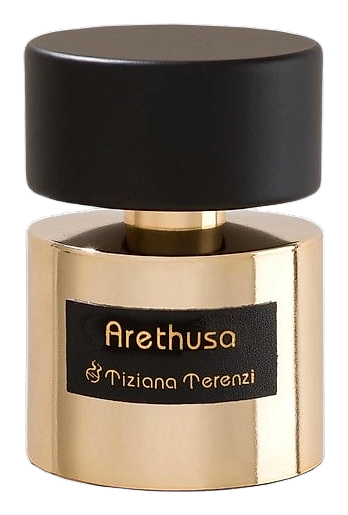
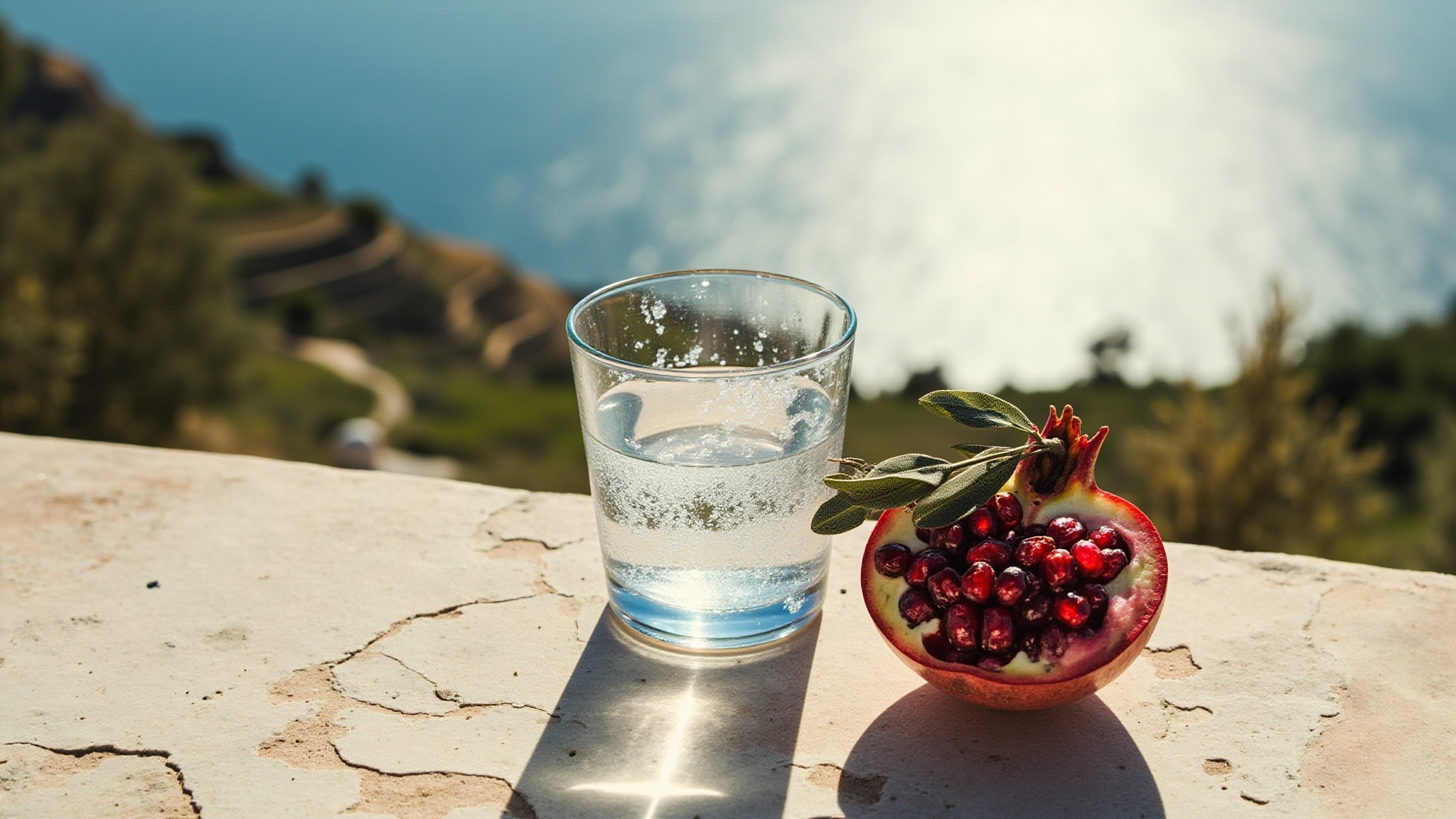
Arethusa takes its name from Greek mythology, a huntress so beautiful that the river god Alpheus pursued her across the Mediterranean. She fled to Sicily, where the gods transformed her into a freshwater spring. But the story doesn't end there: legend says the spring flows beneath the sea, fresh water meeting salt, two worlds colliding in the same body of water. The fragrance opens with bright, fruit-laden notes, fig's milky sweetness, plum's tart depth, and the zest of pink grapefruit, as if sunlight is hitting a Sicilian orchard above the waterline. The composition moves through a complex heart where pomegranate and saffron carry the weight of something ancient and slightly dark, while heather and rose ground the brightness before the base pulls everything shoreward.
What makes Arethusa work is the layering of contrasts without resolving them. The fruit stays ripe without becoming jammy, fig's milky sweetness buffers the plum's tartness, while ginger and sage add an herbal lift that keeps everything from cloying. The sandalwood in the top accord creates a creamy base that the aquatic notes build on rather than fight against. In the heart, the pomegranate is doing something unusual: it's fruity but also slightly sour, almost medicinal in the way good pomegranate can be. The saffron adds warmth without the heavy spice it sometimes brings, this is saffron as a whisper, not a shout.
The evolution
Arethusa opens like a fruit market at the edge of the water. Fig and plum arrive together, sweet and slightly green, while pink grapefruit and ginger provide a sharp citrus opening that lasts longer than expected, the ginger especially lingers, clean heat that doesn't burn off. The orange and sage keep the top notes from going too sweet, adding an herbal dimension that reads as Mediterranean rather than tropical. Twenty minutes in, the pomegranate and saffron begin their work. This is the heart of the fragrance, and it's where Arethusa earns its complexity. The heather brings a slightly smoky, wild quality that counters the sweetness of the florals, jasmine and orange blossom are present but restrained, not the dominant force. The rose appears as a quiet undertone rather than a showpiece. By the second hour, the base notes take over. Salt and aquatic notes become more pronounced, mixed with vetiver's earthy depth and the unexpected leather note that arrives quietly, building slowly.
Cultural impact
Arethusa occupies a distinctive space within the niche aquatic category. Its fruit-and-floral heart gives it accessibility, while the salt-and-leather drydown makes it a fragrance worth returning to. The composition pushes beyond typical marine conventions, offering something more textured and complex than straightforward fresh or tropical aquatics. Wearers who appreciate depth in their marine fragrances find it particularly compelling, as the base persists for hours and continues to develop subtly over time, revealing new facets as the top notes recede.