White Nerium Oleander
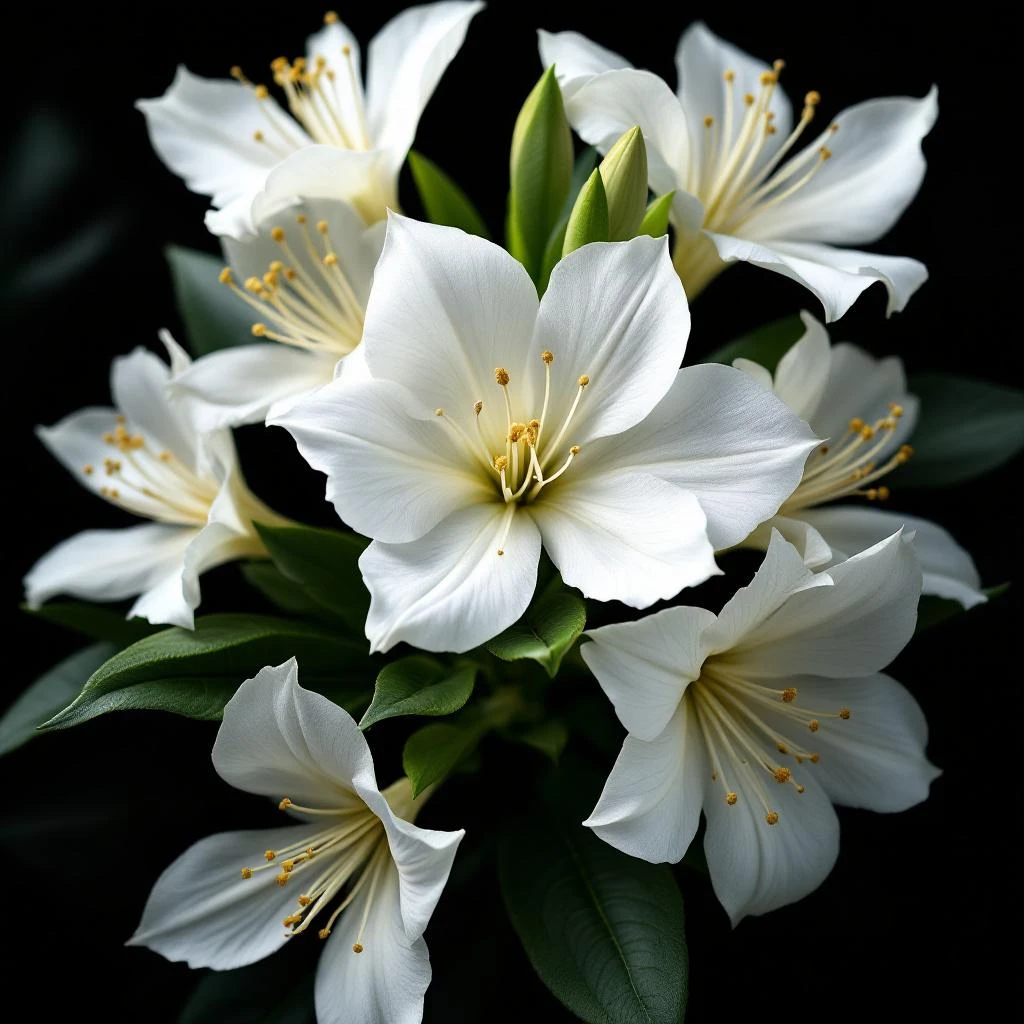
White Nerium Oleander brings a green, floral scent with an almost hypnotic softness to perfumery. Despite the plant's legendary toxicity, perfumers have long sought to capture its distinctive aroma—an elegant paradox of beauty and danger that defines this rare note.
Character
How it smells
Dangerous beauty captured in scent
Napoleon's soldiers reportedly suffered poisoning after roasting meat over oleander wood during campaigns.







Origin
Mediterranean Basin (origins uncertain)
Nerium oleander has threaded through human history as both a garden staple and a cautionary tale. No single region of origin can be confirmed—the plant has been cultivated so widely across the Mediterranean, North Africa, and into Southeast Asia that its wild ancestors remain a botanical mystery. What is certain is that ancient Greeks and Romans planted it extensively along roadsides and in courtyards, drawn to its relentless flowering and tough resilience.
The plant's beauty masked a brutal truth: every part—leaves, stems, flowers, roots—carries cardiac glycosides potent enough to kill. Classical texts recorded accidental poisonings, and military histories later echoed this danger. Legend holds that Napoleon Bonaparte's retreating army suffered mass toxic effects after soldiers used oleander wood to cook their food.
Despite—or perhaps because of—this lethal reputation, perfumers continued to covet the scent. By the twentieth century, fragrance chemists learned to isolate and synthesize the specific aromatic molecules responsible for oleander's green-floral character, allowing its olfactory ghost to live on in perfume without any of the danger.
Wears it best
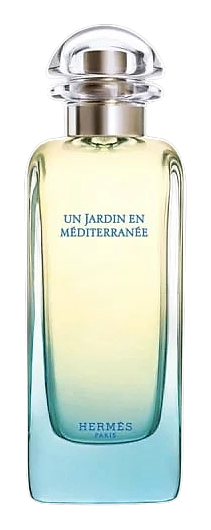
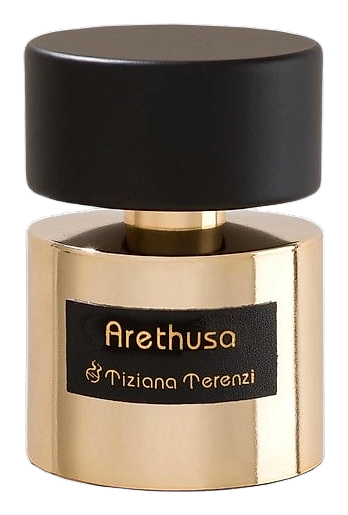
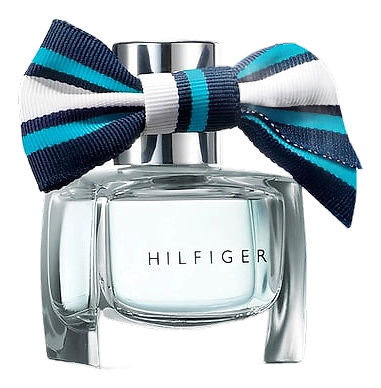
Fragrances featuring White Nerium Oleander
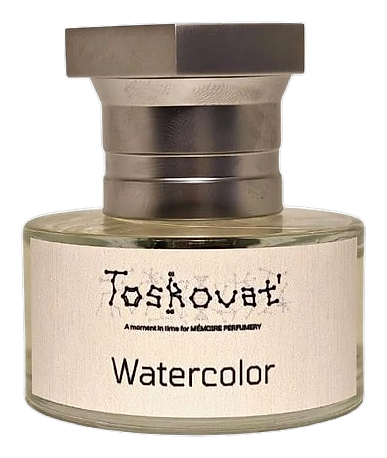
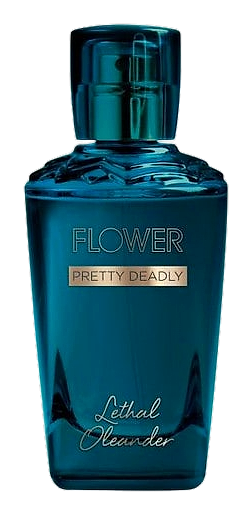

Brands
Brands known for White Nerium Oleander
Good to know
Questions, answered
The essentials on White Nerium Oleander in perfumery: how it smells, where it comes from, and how it behaves on skin.
Is White Nerium Oleander derived from the actual oleander plant?
No. Nerium oleander is too toxic to extract safely—its cardiac glycosides are lethal. Perfumers synthesize the scent instead.
What does White Nerium Oleander smell like?
It reads as a green-floral with an almost watery clarity, evoking fresh-cut stems, white petals, and a faintly indolic warmth underneath.
Why is it called 'White' Nerium Oleander?
The descriptor signals a clean, light interpretation of the oleander note—focused on floral transparency rather than any botanical color.
Is oleander toxic in all its forms?
Yes. In its natural state, every part of the plant is highly poisonous if ingested, including the smoke from burning wood.
Which perfume houses use White Nerium Oleander?
Heritage brands including Hermès and Tom Ford have incorporated oleander-inspired accords in signature compositions.
When did oleander become associated with perfumery?
Oleander's olfactory appeal was recognized in the twentieth century once synthetic chemistry enabled safe reproduction of its fragrance.
Does White Nerium Oleander appear commonly in fragrance formulations?
It remains rare. Less than fifty perfumes in major databases list oleander or white oleander as a named note.
What safety considerations surround oleander use?
In perfumery, synthetic reconstruction eliminates the plant's toxicity, making the fragrance safe for cosmetic use under IFRA guidelines.