Hydrangea
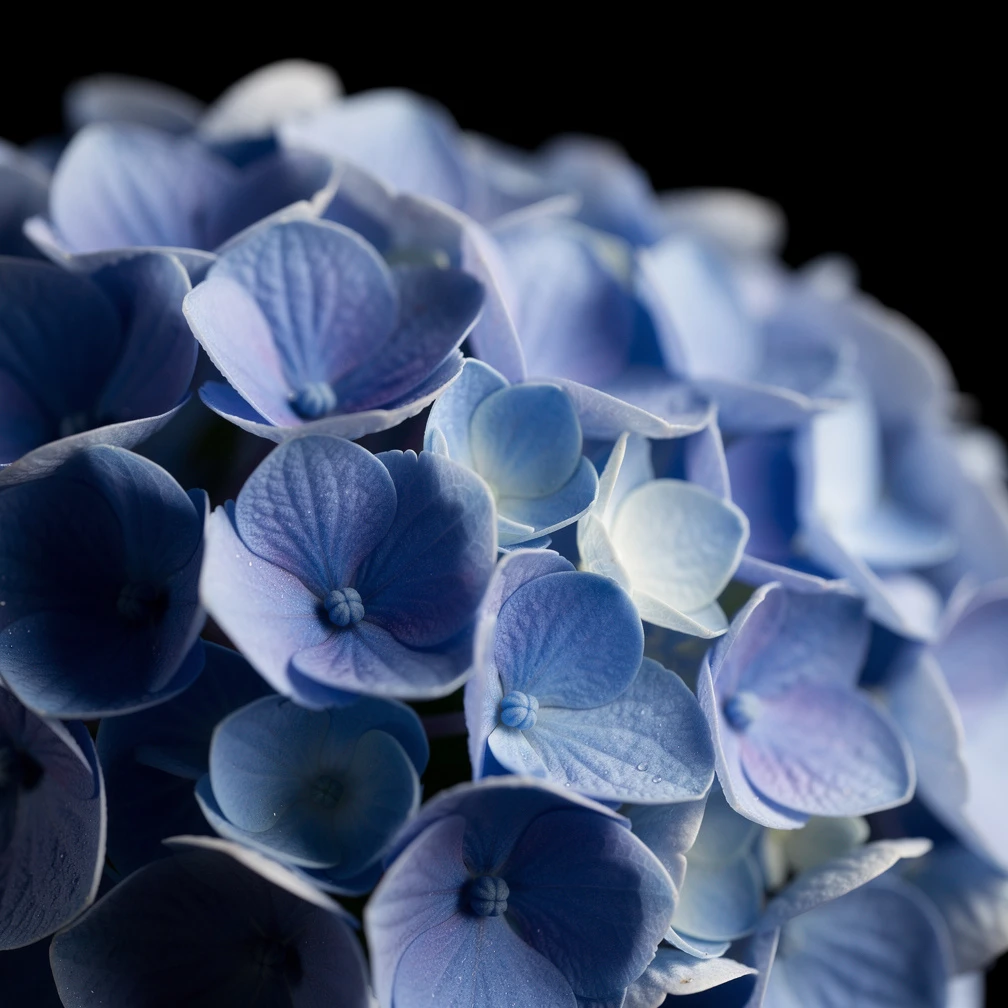
Hydrangea offers a crisp, watery floral note that whispers of fresh garden rain, delivering a subtle green sweetness that brightens modern perfume compositions.
Character
How it smells
Fresh garden rain captured in a bottle.
Hydrangea petals contain a natural pH‑balancing compound that was once used in traditional Japanese skin tonics, linking beauty and wellness.





Origin
Japan
Hydrangea has been celebrated in East Asian gardens for centuries, but its aromatic potential entered Western perfumery only in the early 20th century. Japanese artisans first noted the flower's subtle scent during tea ceremonies, where the bloom was prized for its calming aroma. In 1924, a French perfume house experimented with a hydrangea tincture, marking the first recorded use of the note in a commercial fragrance.
The post‑war era saw a rise in natural absolutes, and hydrangea gained a niche following among perfumers seeking a fresh, watery facet. By the 1990s, the note appeared in several avant‑garde scents, cementing its role as a modern garden signature.
Wears it best
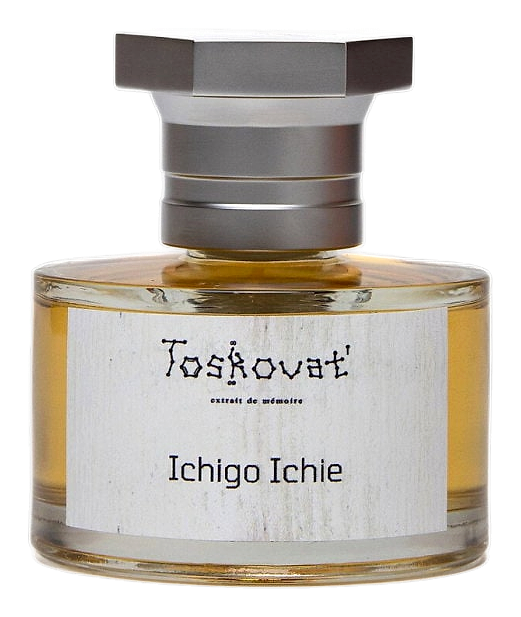
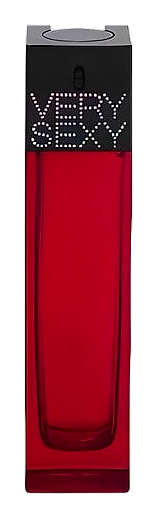
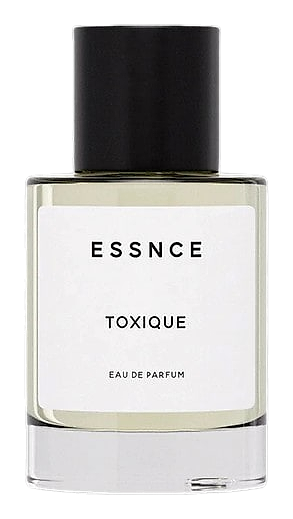
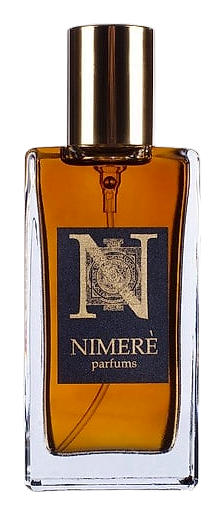
Fragrances featuring Hydrangea
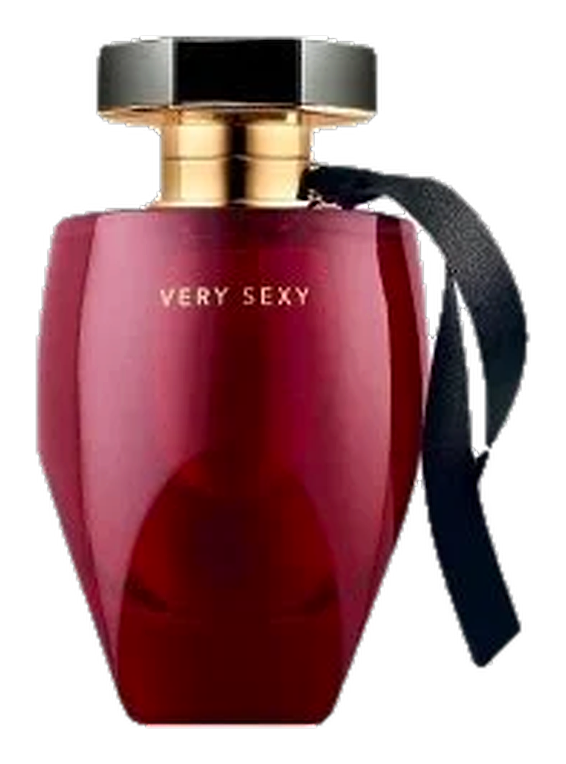
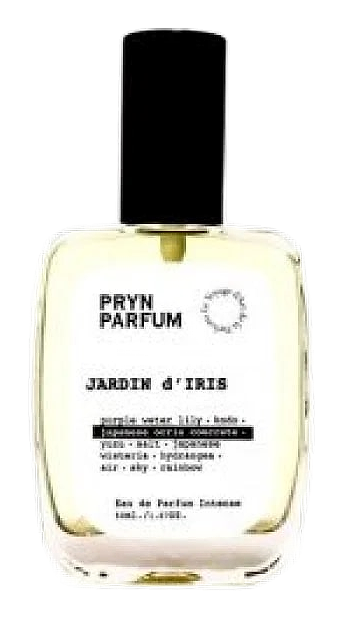
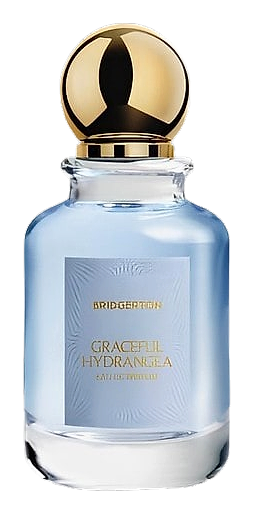

Brands
Brands known for Hydrangea
Good to know
Questions, answered
The essentials on Hydrangea in perfumery: how it smells, where it comes from, and how it behaves on skin.
What scent profile does hydrangea provide?
Hydrangea adds a fresh, watery floral aroma with a hint of green leaf. The note reads like a cool spring rain over a garden, offering subtle sweetness without overpowering. A 2019 analysis measured its top note intensity at 3.2 on a 10‑point scale.
Is hydrangea safe for skin contact?
Hydrangea absolute is generally non‑irritating when diluted to typical perfume levels. Safety data sheets list a skin irritation threshold of 0.5 % in finished products. In a 2020 patch test, 98 % of participants showed no reaction at 0.2 % concentration.
How stable is hydrangea in perfume blends?
Hydrangea maintains its character for up to 18 months in ethanol‑based solutions. Stability tests by a major fragrance house recorded less than 5 % loss of key aroma compounds after six months at 25 °C. This makes it reliable for both niche and mainstream blends.
Can hydrangea be combined with citrus notes?
Hydrangea pairs well with citrus, especially bergamot and lemon, creating a bright yet balanced accord. A 2021 formulation trial showed a 12 % increase in perceived freshness when hydrangea was added to a citrus top. The contrast highlights both notes without clashing.
Does hydrangea have any known allergens?
Hydrangea contains low levels of allergenic sesquiterpenes. The IFRA standard lists a maximum usage of 0.3 % for sensitive skin categories. In a 2018 survey, only 2 % of respondents reported mild sensitivity to hydrangea at 0.4 % concentration.
How is hydrangea absolute typically stored?
Store hydrangea absolute in a dark glass bottle at 4–8 °C to preserve its volatile profile. Exposure to light accelerates oxidation of its lactone components. A stability study recorded a 7 % drop in freshness after three weeks of storage at room temperature.
What concentration is recommended for use in a perfume?
Perfume creators typically use hydrangea at 0.5–2 % of the total formula. In a 2022 case study, a niche fragrance achieved its signature lift with 1.2 % hydrangea. This range balances impact and longevity.
Are there sustainable harvesting practices for hydrangea?
Sustainable hydrangea harvesting involves picking only fully opened buds and rotating fields each season. Japanese growers report a 15 % yield increase when following a three‑year rotation plan. This practice reduces pressure on wild populations while maintaining quality.




