The Story
Why it exists.
The beginning
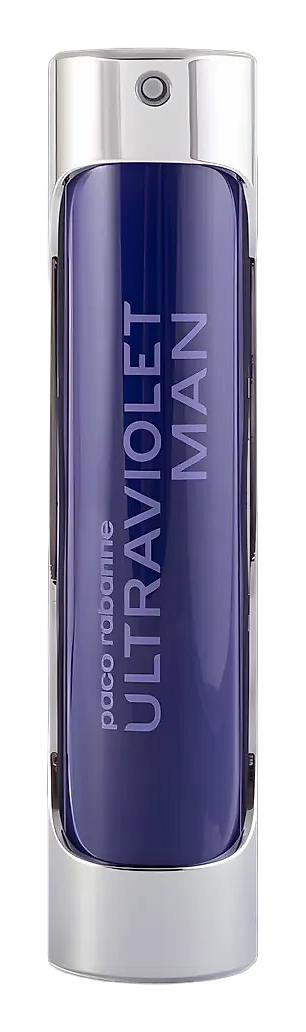
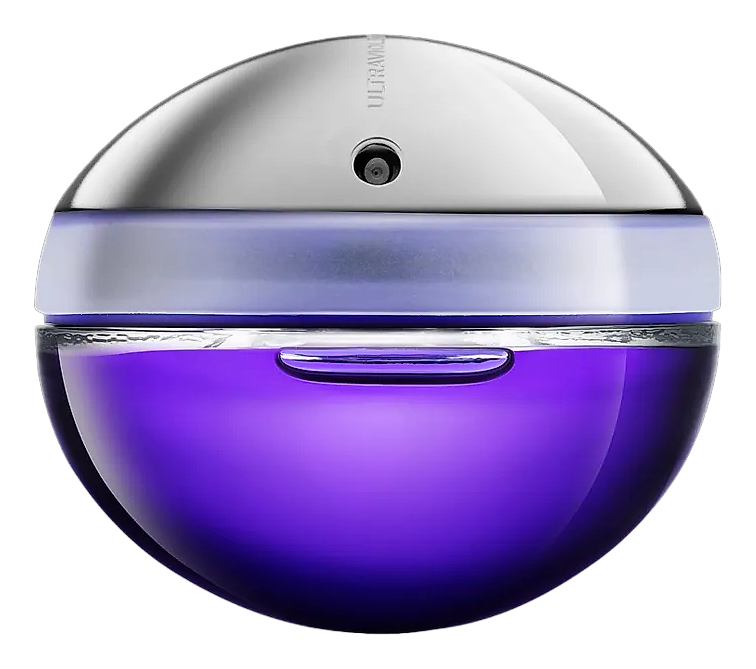
Rabanne built its fragrance identity on provocation, metal chain mail in couture, industrial materials where fabric should live. The 1966 Paris house never apologized for wanting to be felt, not just seen. That same tension lives in every fragrance. Ultraviolet Man arrived in 2001 as Rabanne's male counterpart to the women's floriental that had launched two years prior. Jacques Cavallier-Belletrud, already well-established in the Puig fragrance portfolio, was tasked with translating the concept into something that carried masculine weight. The challenge was not simply flipping gender assignments but capturing the same provocative energy in a different register.
The note architecture reflects a specific philosophy: provocation should never be gratuitous. Each element serves the next. The chili in the opening is not there to burn but to sharpen, to ensure that the blackberry registers as something more than pleasant. The osmanthus and jasmine do not soften so much as they complicate, adding layers that reward attention. The vanilla and ambergris in the drydown anchor the entire experience in warmth, ensuring that wearing this fragrance feels like an accomplishment rather than a performance. This is how Rabanne approaches fragrance: with intention, with edges, with the confidence to demand something from the wearer.
The evolution
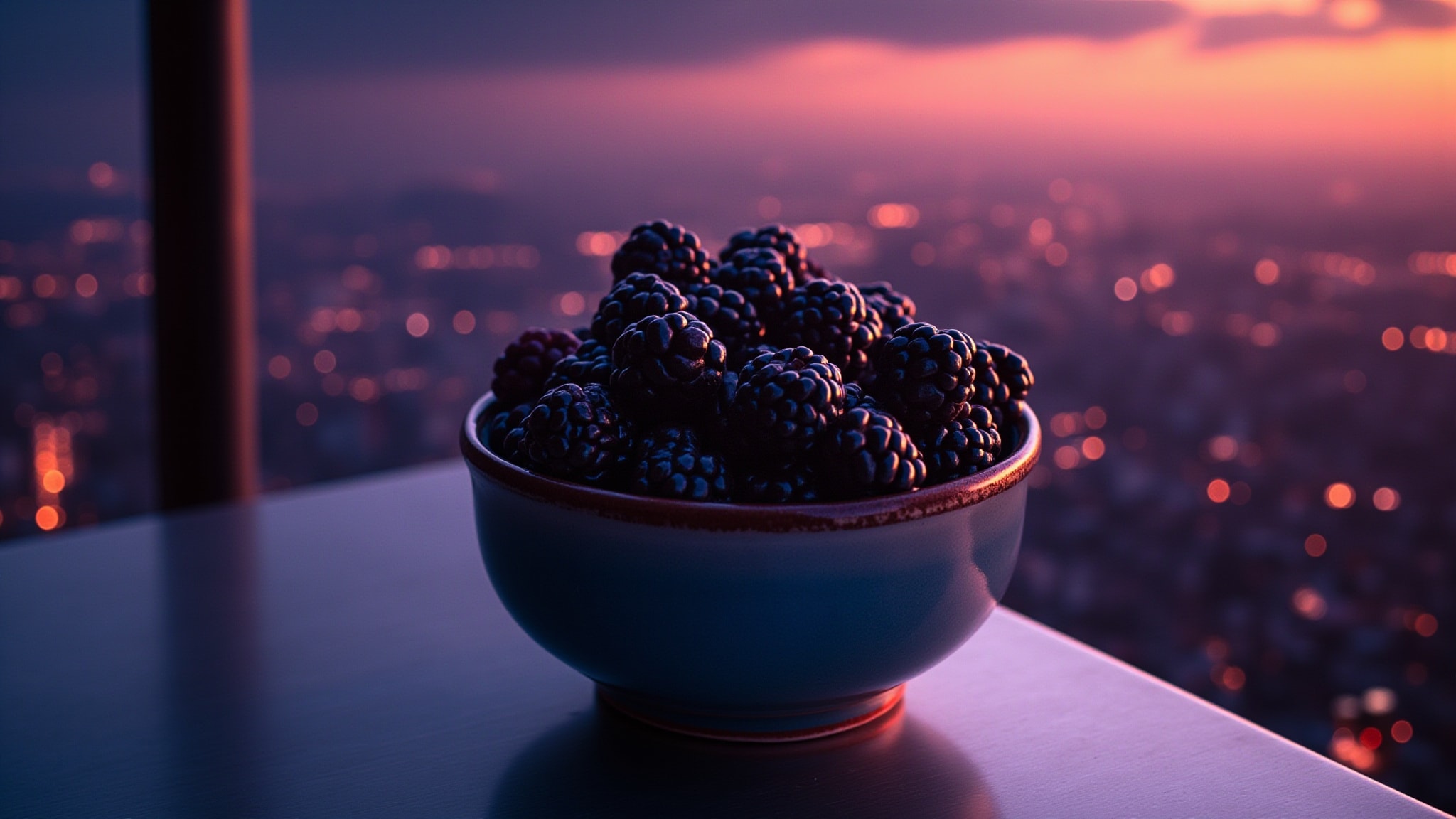
The trajectory of Ultraviolet Man traces a path from shock to seduction. The opening assault of blackberry and chili functions as an announcement, unapologetic and electric. This dark fruit spiced by chili heat could only emerge from a house that understood the value of making an entrance. As the composition breathes, the heart of osmanthus and jasmine takes command, transforming the initial aggression into something more nuanced and considered. Osmanthus brings its apricot-tea complexity while jasmine provides the creamy floral anchor that prevents the fragrance from becoming purely conceptual. The final chapter belongs to vanilla and ambergris, a partnership that brings warmth and depth to a composition that might otherwise remain cold and intellectual.
Cultural impact
Ultraviolet Man sits in a specific 2001 moment, post-1 Million's commercial domination but before the flanker pipelines got fully established. It's not the brand's best-known male fragrance (that crown belongs to Invictus and the original Paco Rabanne pour Homme), but it has a dedicated following among those who want the brand's philosophy without the commercial ubiquity. The sweet-synthetic violet character has aged surprisingly well, finding new fans among wearers who've discovered it secondhand or through vintage hunting.