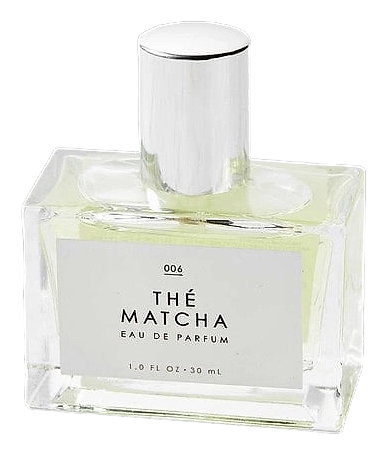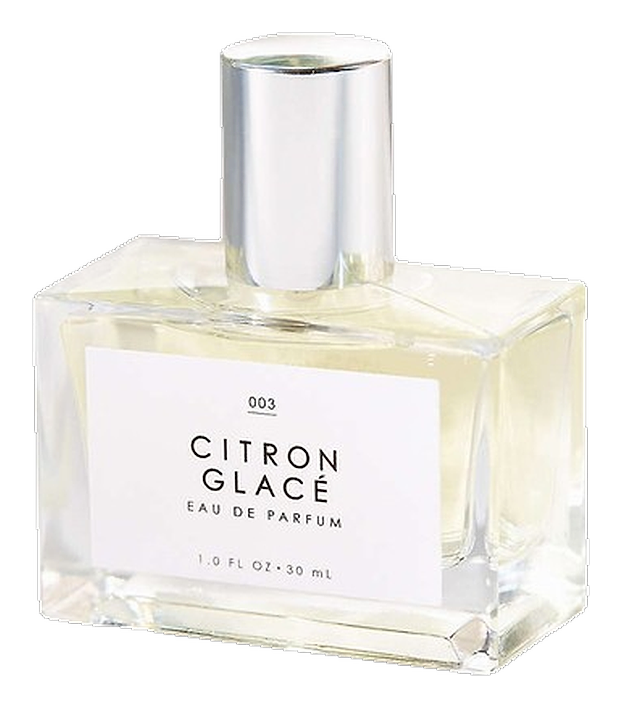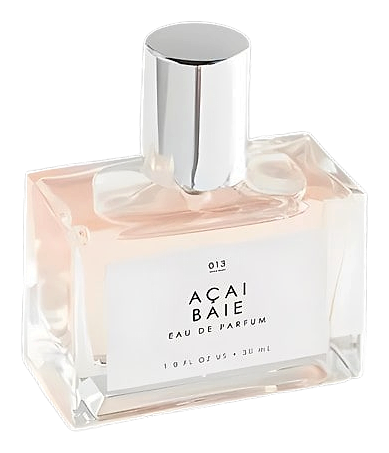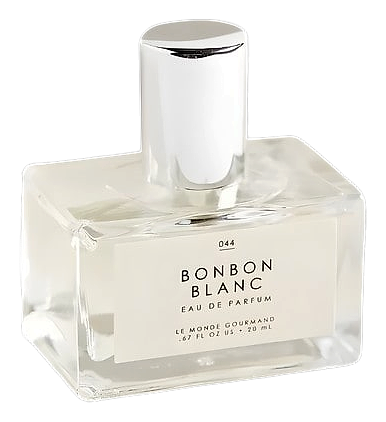
The Story
Why it exists.
The beginning
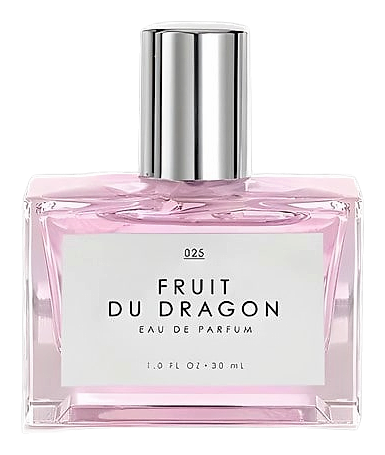
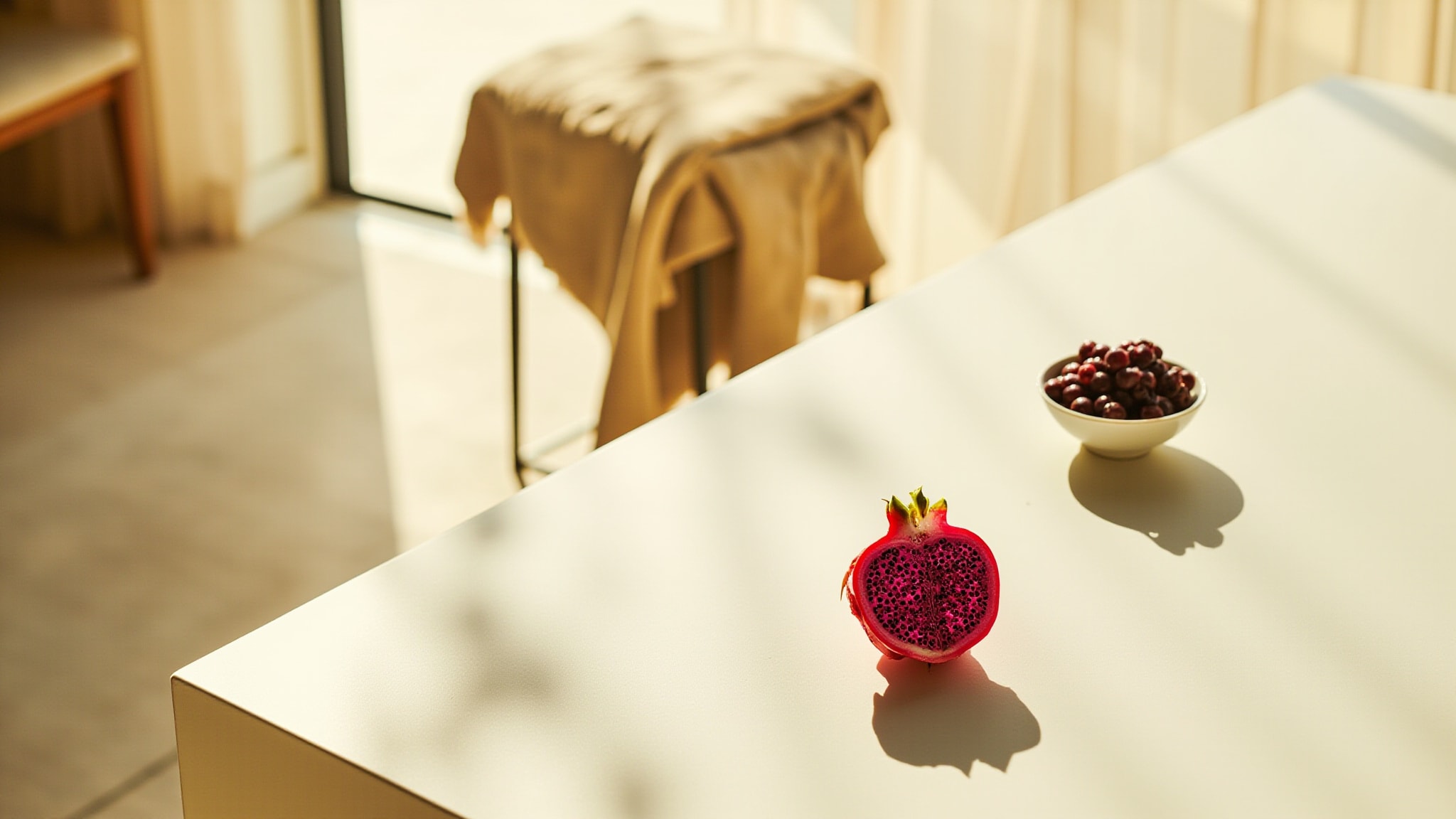
Fruit du Dragon arrived in 2015, a few months after Le Monde Gourmand's first releases established the house's sweet-forward identity. The concept was straightforward: take an ingredient that most people recognize from smoothie menus and fruit salads, and give it the same serious treatment as any classic floral. Dragon fruit, pitahaya, doesn't have the instant olfactory fame of rose or vanilla. It needed a purpose beyond novelty. Blackcurrant and passion flower were brought in to give it structure: tartness that cuts through sweetness, florals that read tropical rather than powdery. White musk keeps the base from disappearing entirely.
What makes the composition interesting isn't any single material, it's the restraint. Dragon fruit is a notoriously difficult note: watery, subtle, prone to reading as nothing at all in perfume. The blackcurrant earns its place by giving the opening a tartness that the fruit alone can't deliver. Passion flower adds a soft floral layer that prevents the whole thing from smelling like a sports drink. White musk at the base is the pragmatic choice, it won't project for hours, but it keeps the drydown from feeling like a stripped-down version of the opening. The result is a fragrance that knows what it is: a tropical daytime scent with no pretensions about being anything else.
The evolution
The opening arrives fast. Dragon fruit's mild sweetness meets blackcurrant's immediate tartness, there's no delay, no citrus guard, just the two together. For the first twenty minutes, it reads like a fruit candy, sweet and slightly sour. Then the passion flower surfaces. Not a dramatic shift. The florals just start to soften the edges, adding a quiet lushness that makes the sweetness feel less artificial. The white musk arrives around the forty-minute mark and takes over gradually. By the second hour, the fruity notes have receded and what's left is a clean, skin-close musk that some wearers barely notice. On fabric, it lasts longer, a light trace that reads as 'just showered' rather than 'wearing perfume.' By evening on most skin types, it's gone.
Cultural impact
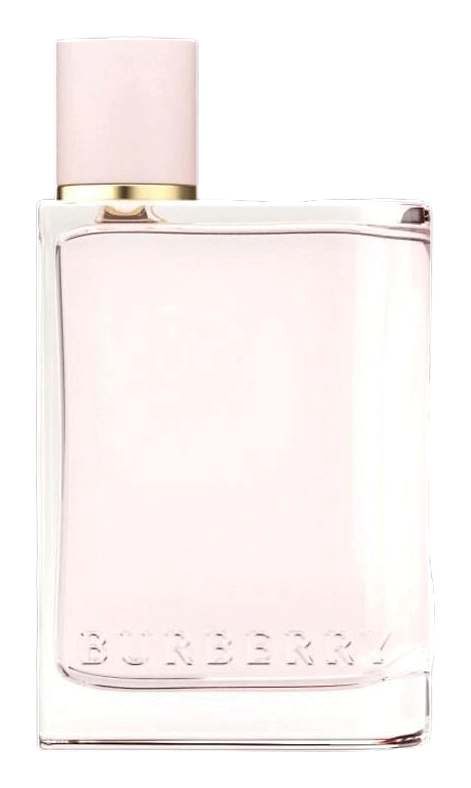
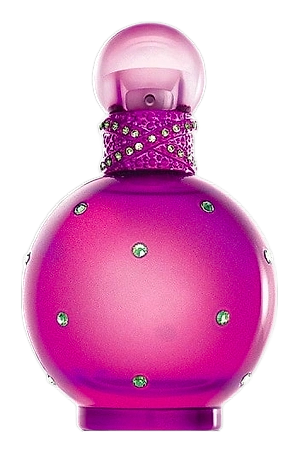
Fruit du Dragon sits comfortably alongside mass-appealing florals like Burberry Her and Fantasy, fragrances that invite newcomers into fragrance without requiring prior knowledge or niche pretension. The tropical-fruity category has stayed popular since the early 2010s, and this scent's straightforward sweetness makes it a low-risk entry point. Wearers who want complexity may look elsewhere; those who want a pleasant, unambiguous tropical experience tend to find it here.