The Story
Why it exists.
The beginning
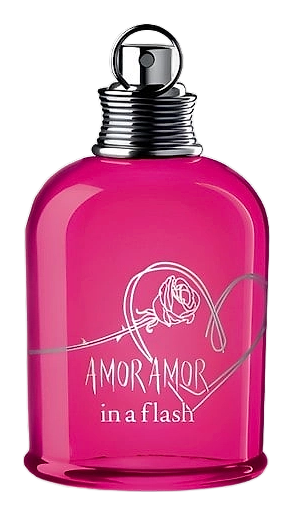
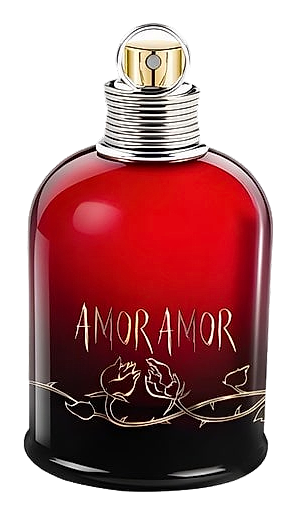
The original Amor Amor arrived in 2003 and became Cacharel's most recognizable scent, fruity, optimistic, and worn by women who wanted something approachable without being ordinary. By 2015, the house wanted to answer a different question: what happens when you take that same spirit and make it for the evening? That's where Mon Parfum Du Soir enters. Created by Dominique Ropion and Claire Liégent, this flanker reframes Amor Amor's DNA for the hours when the room dims and the stakes shift. It's not a reinvention. It's a deepening.
The note structure tells the story. Blackcurrant, mandarin, and bergamot open bright and juicy, that's the Amor DNA, untouched. But the heart swaps the original's magnolia and orange blossom for blackberry, rose, and freesia, adding a darker fruit note and a cleaner floral that reads more evening than afternoon. The base is where the night arrives: sugar, vanilla, and patchouli. Not the patchouli of the 1970s, something softer, rounder, working as a foundation rather than a statement. The composition uses synthetic lift to keep the sweetness modern rather than nostalgic.
The evolution
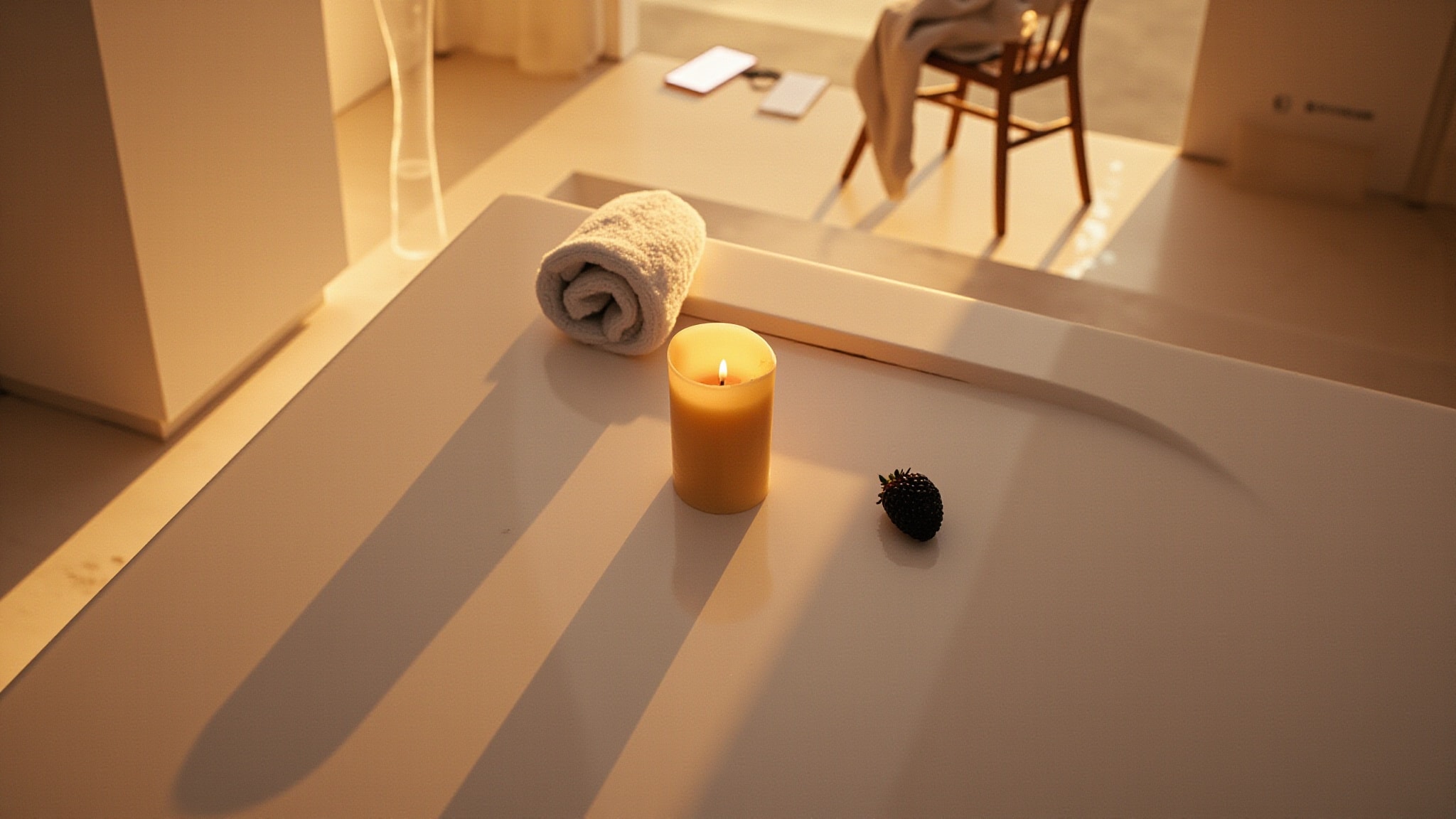
It opens juicy and immediate. Blackcurrant and mandarin arrive together, bergamot threading through to prevent sweetness from settling too early. You get maybe twenty minutes of this brightness before the handoff begins. The blackberry emerges next, slightly darker, slightly less obvious. Rose and freesia slide in, the freesia doing the work of making the floral heart feel contemporary rather than dated. The transition isn't dramatic. It's the difference between a room with the lights on and a room with candles lit. By hour two, the base takes over. Sugar and vanilla create warmth that sits close to the skin. Patchouli doesn't announce itself, it anchors. The drydown lasts four to six hours on most skin types, fading to something skin-like and intimate rather than disappearing entirely.
Cultural impact
The Cacharel Amor Amor line debuted in 2002 and rapidly became a cultural touchstone in European fragrance culture. It reshaped how younger consumers engaged with luxury perfumery by combining accessibility with trend-driven appeal. Mon Parfum Du Soir arrived later as an evening-focused counterpart, embodying the late 2010s preference for refined fruity-gourmand compositions. Cacharel's heritage from the 1970s, when Anaïs Anaïs first defined youthful femininity, informs this modern expression. The combination of blackcurrant, citrus, and gourmand warmth became a template other houses followed. This scent bridges mass-market appeal with genuine complexity, making sophisticated evening fragrance available beyond traditional luxury price points.