André Fraysse
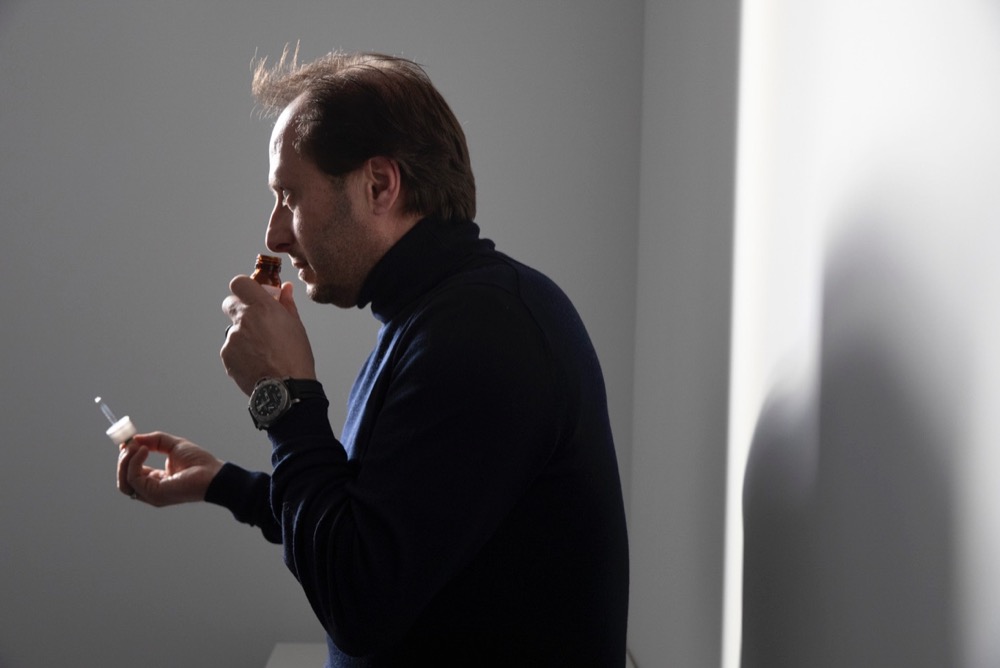
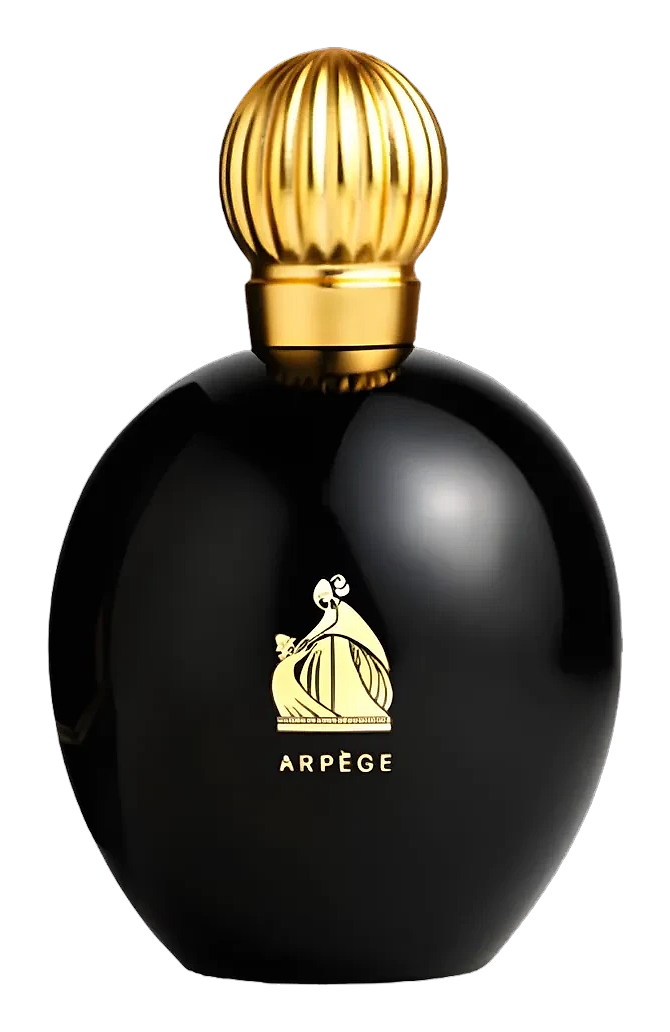
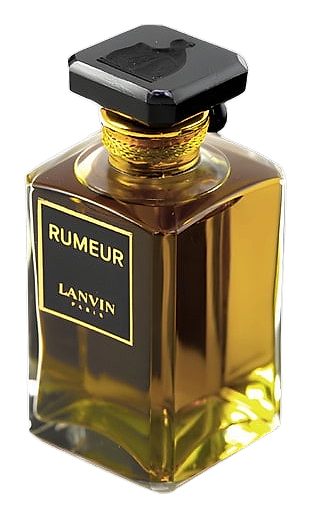
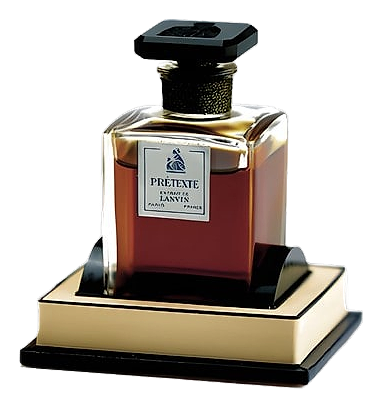
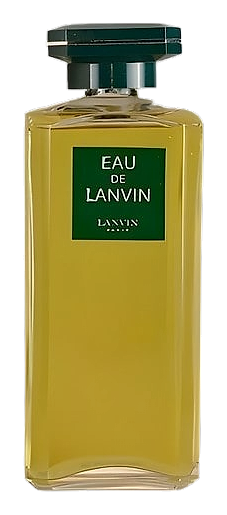
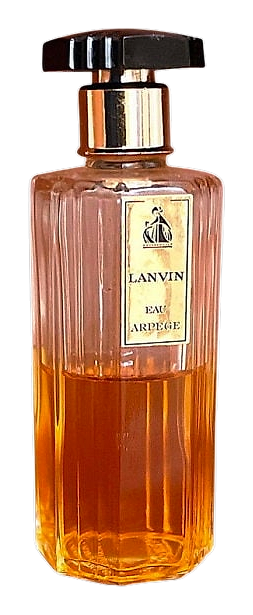
André Fraysse entered the perfume world through an unusual door. Born in Switzerland in 1902 into a family where blending scents was practically a birthright, his father Claude Fraysse had already established a distinguished reputation crafting the celebrated "fur" fragrances for Parfums Weil. Young André absorbed the craft like a native language. He joined Lanvin Parfumes in 1925 at age 27, and within two years, his life would change forever. In 1927, Fraysse co-created Arpège with fellow perfumer Paul Vacher for the legendary French couturier Jeanne Lanvin. The fragrance became an instant classic, its name inspired by musical arpeggios and chosen by Jeanne Lanvin's daughter. Fraysse spent decades at Lanvin, shaping the house's olfactory identity through creations like the mysterious Rumeur de Lanvin. The family tradition continued with his son Richard Fraysse, who now serves as an in-house perfumer at Caron. André Fraysse died in 1984, leaving behind a legacy of classical restraint at a time when perfumery was beginning to chase louder, more transient pleasures.
The hits
Notable creations
The signature
How André composes
Fraysse's style favored restraint and depth over theatrical projection. He worked extensively with rose and jasmine but always grounded them in richer base notes, creating fragrances with a substantial, almost weighty quality. His Weil compositions demonstrated a mastery of animalic notes, weaving civet and musk into floral structures with remarkable subtlety. At Lanvin, he favored powdery aldehydic finishes and rich floral bouquets that felt both timeless and modern. His technique involved building from the inside out, ensuring that a fragrance's heart remained audible even as it evolved on the skin. The fur perfumes he created for Weil remain textbook examples of how to make animalic notes feel glamorous rather than raw.
Philosophy
What drives André
Fraysse believed perfumery was architecture as much as art. He designed fragrances with structural integrity, each layer supporting the next rather than competing for attention. Rather than chasing novelty, he pursued compositions that would age gracefully, scents meant to accompany a woman through decades rather than a single season. His work for Weil revealed a particular fondness for textures that evoked luxury materials, translating the sensation of fur and silk into volatile molecules. This interest in capturing tactile sophistication suggested a perfumer who thought beyond mere pleasantness, aiming instead for something that felt worn and beloved.
The houses
Maisons André composes for
In the same league