The Story
Why it exists.
The beginning
Andre Fraysse built this fragrance as a classic aromatic chypre: citrus and herbs above, floral heart, animalic base. The opening sparkles with bergamot and lemon, herbs threading through with quiet precision. There is no impulse toward spectacle here. The heart unfolds with geranium's green-rose character, carnation bringing its characteristic spice, jasmine softening the blend just enough to keep it approachable. What holds it together is the base, where the animalic note anchors everything in a way that feels inevitable rather than imposed. The materials carry weight, each layer building on the one before. It is a fragrance that asks to be worn rather than announced.
The choice to include civet in the base is the structural tell. Civet, the animalic secretion that anchors chypres with a primal depth, was common enough in 1933. The moss, the cedar, the vetiver all work to modulate the civet's rawness, keeping it present but controlled. The civet breathes through the composition, not as a shock element but as a foundation that gives the fragrance its backbone. Moss adds a deep, damp earthiness. Cedar contributes dry wood that grounds and structures. Vetiver brings its characteristic smoky, root-like quality.
The evolution
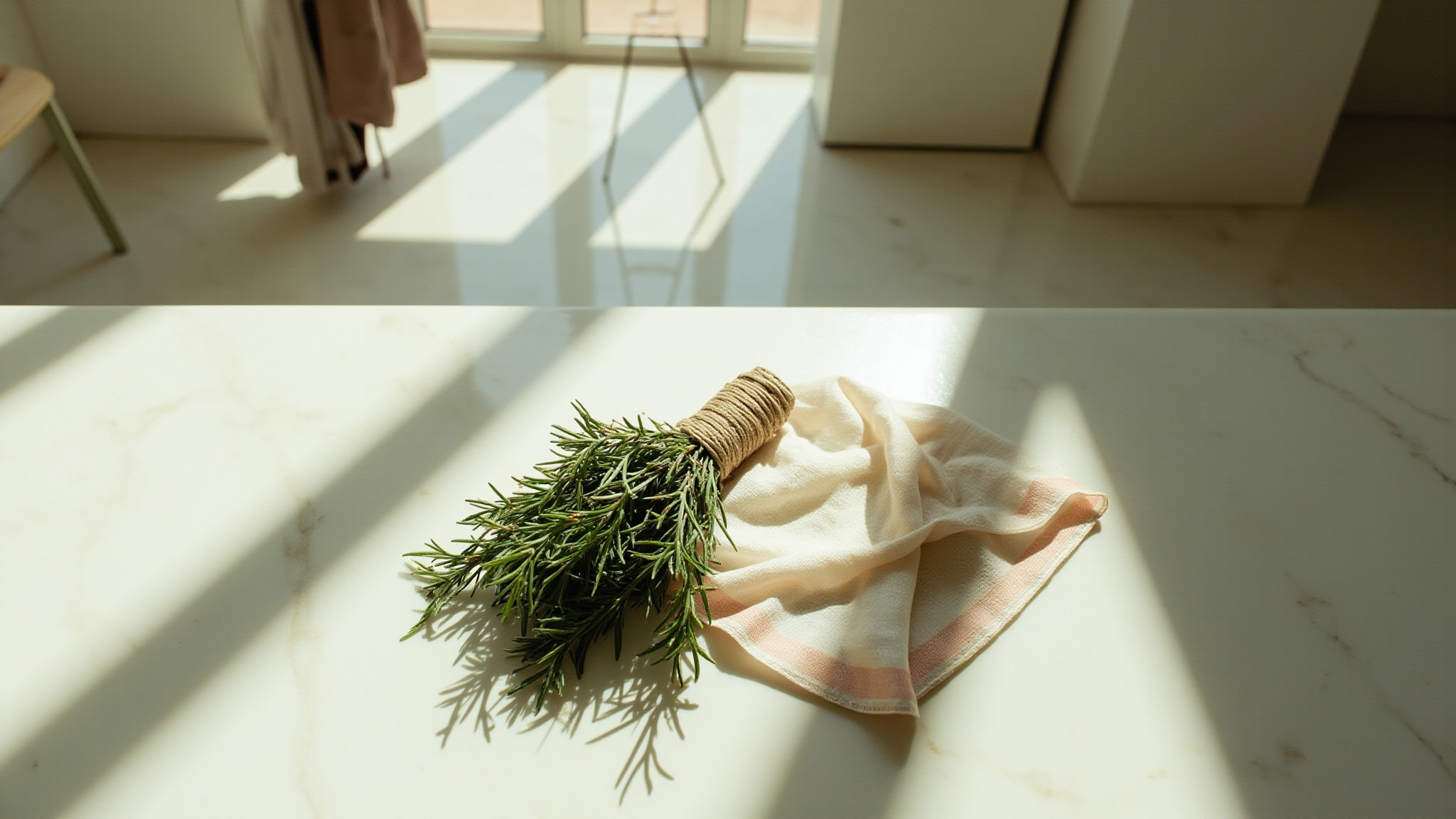
The opening arrives crisp, bergamot, lemon verbena, coriander doing quiet work. The rosemary weaves through, that herbal spike that separates an aromatic from a fresh fragrance. The geranium follows, green and rose-like, before the carnation enters with its clove-like warmth. Jasmine softens the spice, keeps it wearable. The drydown is where the civet announces itself, not dramatically, but persistently. Earthy vetiver, dry cedar, the deep green of moss, warm musk. The animalic quality doesn't fade. It settles into the skin, becoming part of the wearer rather than sitting on top of it. The cedar and moss linger longest, quiet, dry, worn-in, the final chapter of a fragrance that unfolds patiently rather than all at once.
Cultural impact
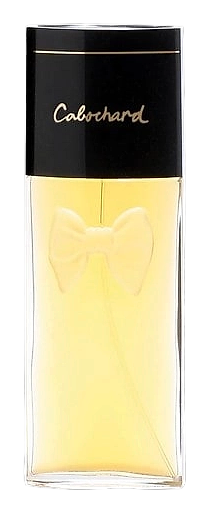
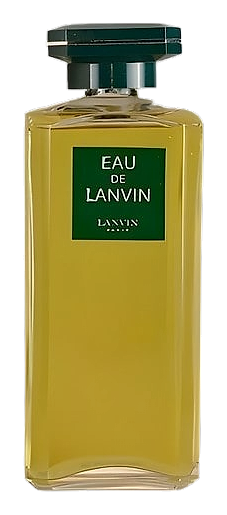
Eau de Lanvin occupies a particular position among classic fragrances, with its aromatic-chypre structure and animalic base that signals its era without apology. Comparable compositions include Clinique Aromatics Elixir and Robert Piguet's Cabochard. The fragrance delivers a presence that feels measured and deliberate, asking nothing of the wearer except attention to its nuances. It is the kind of scent that rewards patience, unfolding across hours rather than minutes.