Red Peony
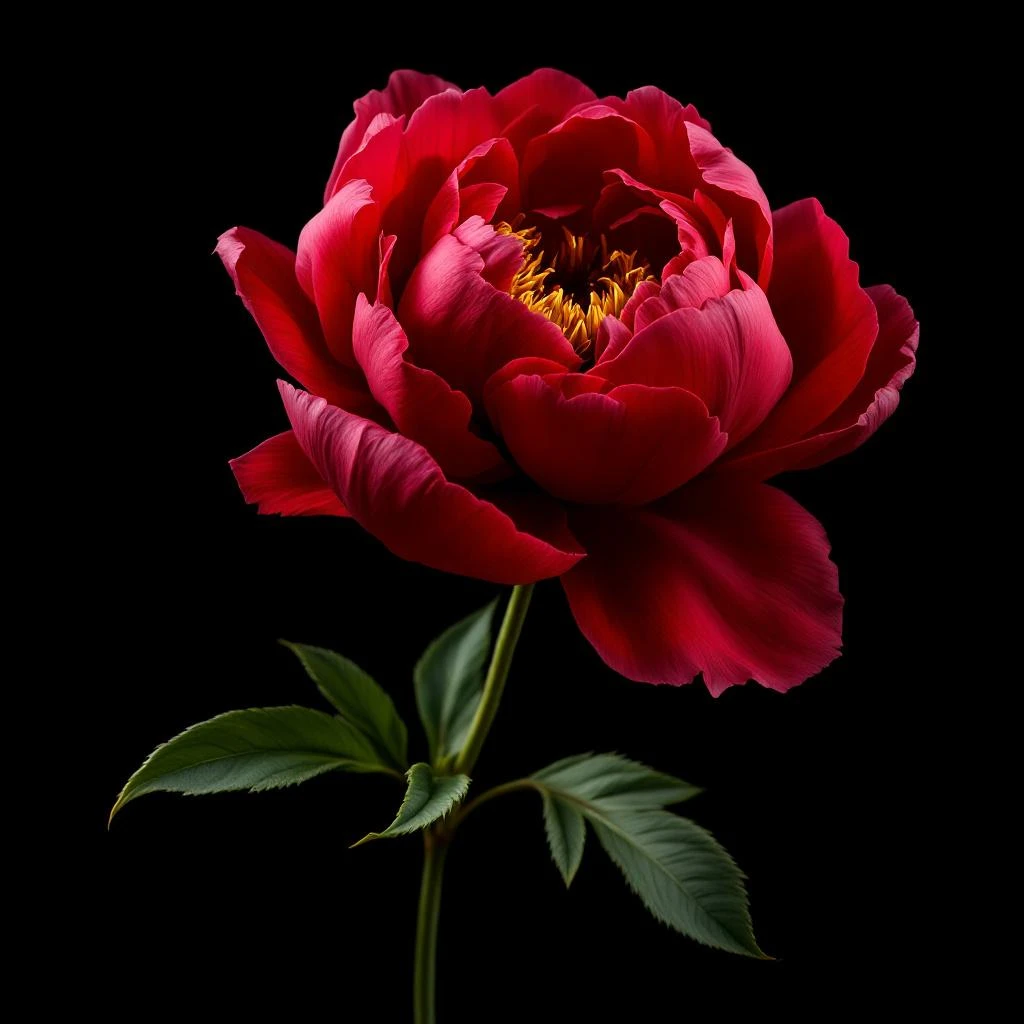
Red Peony is a lush, romantic floral note that captures the opulent beauty of the fully double peony bloom. It delivers the familiar soft, powdery rose-like softness of peony with deeper, richer undertones that give it remarkable warmth and presence.
Character
How it smells
Lush petals, velvety warmth.
The peony takes its name from Paean, the physician to the Greek gods, whom Zeus transformed into the flower to protect him from Asclepius's jealousy.








Origin
China
Peonies have been cultivated as ornamental plants in China since at least 200 BC, documented during the Qin and Han dynasties. The flower held deep symbolic meaning across East Asia: in China and Japan, it represents beauty, love, and good fortune, earning the title \'king of flowers. \' Chinese gardeners developed the double-flowered varieties—those with numerous overlapping petals—specifically prized for their visual opulence and more pronounced fragrance.
The double forms produce the soft, powdery, rose-adjacent scent we recognize today. When peonies arrived in European gardens, Greek mythology added another layer, linking the flower\'s name to Paean, the divine physician. Despite centuries of cultivation for gardens and medicine, peony never became a traditional perfumery material—its chemical composition simply does not yield to extraction.
Perfumers learned instead to speak its language through constructed accords.
Wears it best
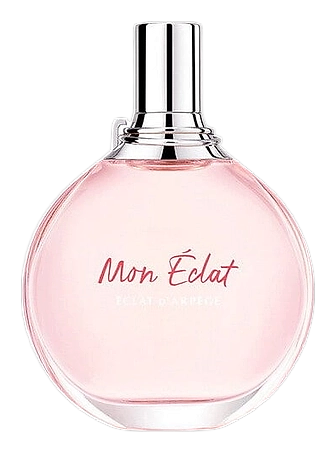
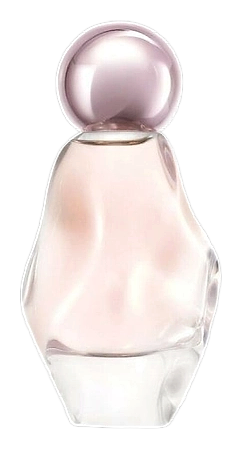
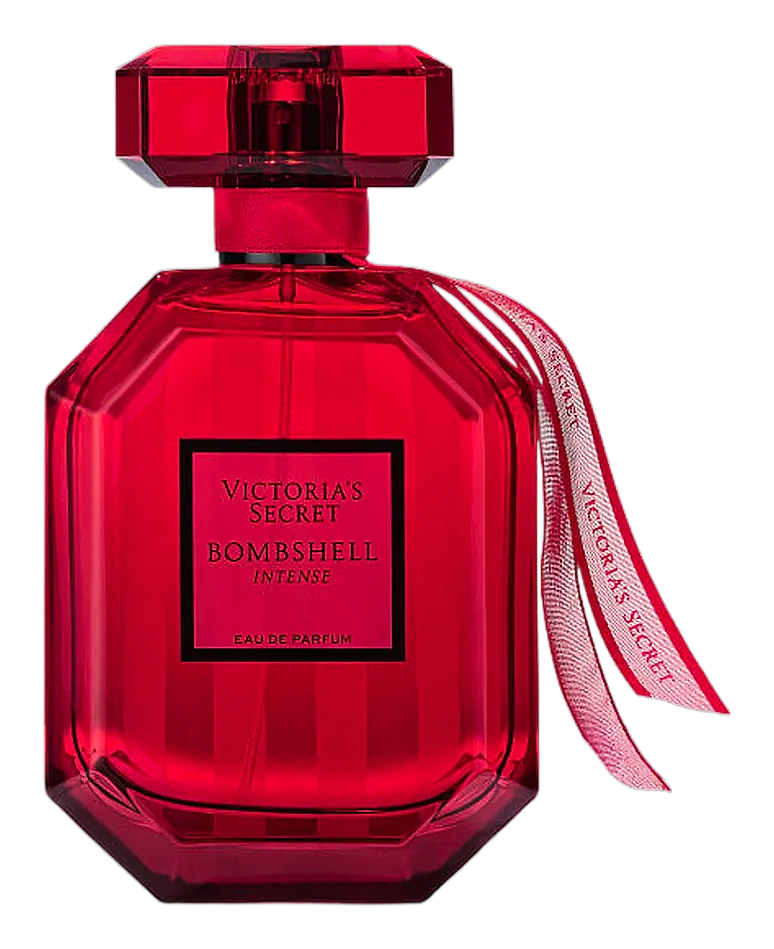
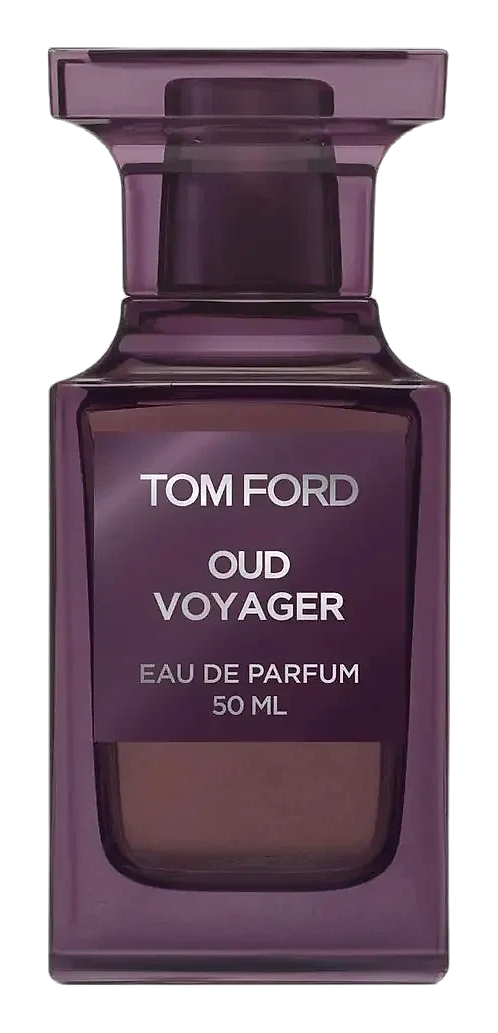
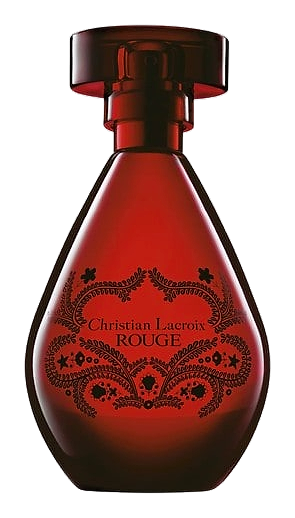
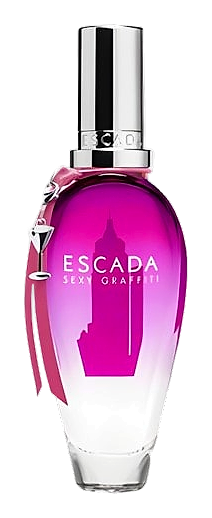
Fragrances featuring Red Peony

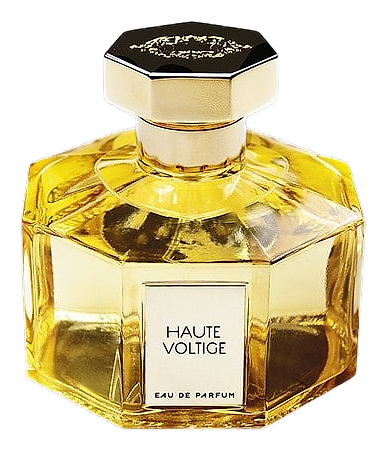
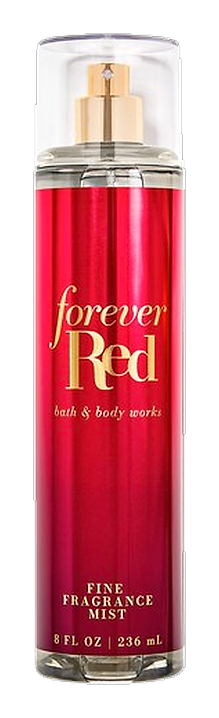
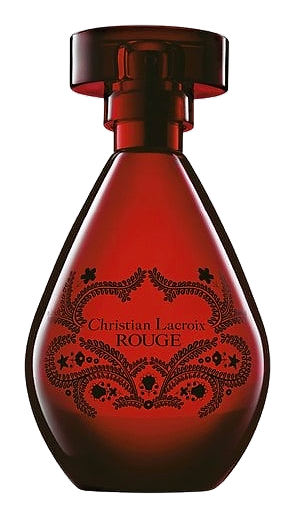
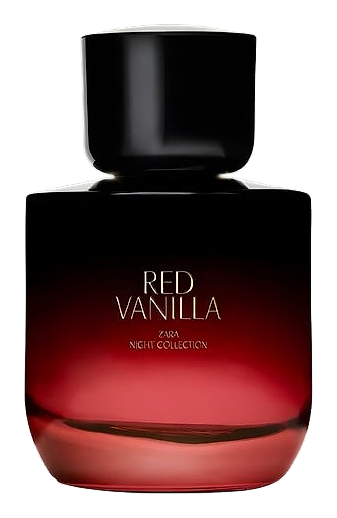

Brands
Brands known for Red Peony
Good to know
Questions, answered
The essentials on Red Peony in perfumery: how it smells, where it comes from, and how it behaves on skin.
Can you actually extract peony essence from the flower?
No. Peony flowers do not yield sufficient aromatic compounds for commercial extraction. Perfumers create the note synthetically using aromatic molecules that mirror the flower\'s soft, powdery, rose-like character.
What does Red Peony smell like?
Red Peony smells fresh, floral, and slightly powdery with rosy undertones. The \'red\' designation suggests deeper, warmer facets compared to standard peony accords.
Where do the raw materials for peony accords come from?
Perfumers source individual aromatic molecules from various global suppliers. Some producers, like those in France\'s Drôme region, do cultivate peonies and attempt extraction, but results remain limited in scope.
What floral families pair well with Red Peony?
Red Peony pairs naturally with rose, lily of the valley, magnolia, and fruity notes like red apple or berry. Its versatility allows it to anchor both romantic florals and brighter fruity compositions.
How long has peony been used in perfumery?
While peonies have been cultivated since 200 BC, their use as a distinct perfumery note emerged more recently as synthetic chemistry advanced. Notable fragrances like Jo Malone\'s Peony & Blush Suede helped establish the modern peony trend.
Is Red Peony a top, heart, or base note?
Red Peony functions primarily as a heart note, adding volume and romantic depth to the fragrance\'s middle phase. Its transparency makes it effective as a supporting player rather than a dominant base.
Why are double peony varieties preferred for fragrance work?
Double (polypetalous) peonies produce more pronounced fragrance than single forms. Their numerous petals generate the characteristic light, transparent, slightly powdery scent that perfumers seek to recreate.
Does Red Peony appear in niche or mainstream fragrances more often?
Both. Peony notes appear across mass-market and niche lines. Brands like Jo Malone, Dior, and Yves Rocher have used peony accords, while niche houses often build more complex interpretations around the note.



